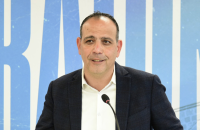

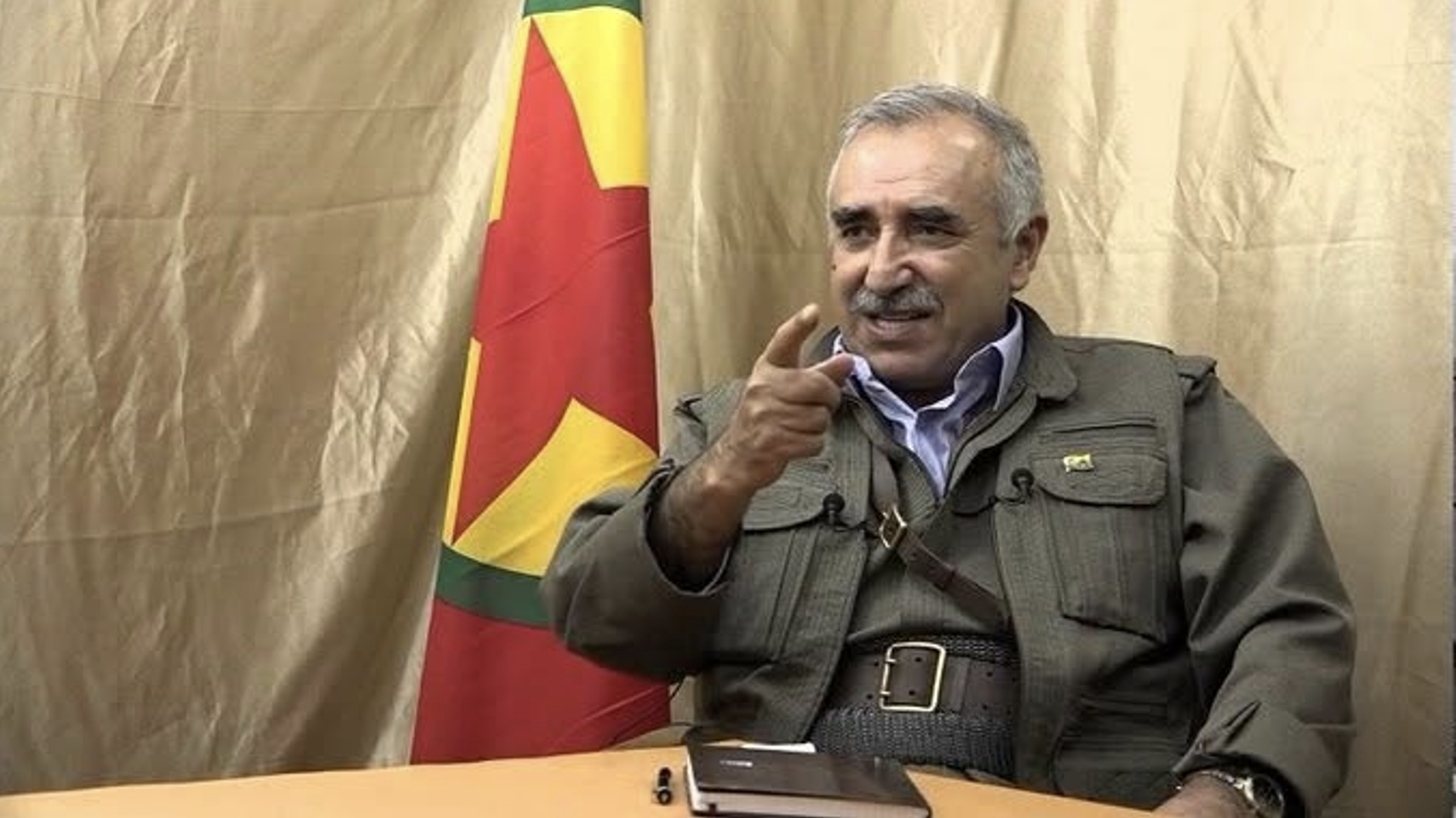
A senior commander of the Kurdistan Workers’ Party (PKK) has said nearly 26,000 members of the Kurdish movement and affiliated armed groups have died during five decades of conflict and insurgency, as Türkiye and the PKK take unprecedented steps towards bringing their long-running confrontation to a permanent end.
Murat Karayılan put the total number of fatalities between 1976 and 2026 at 25,922, in an interview with the PKK-aligned Firat News Agency (ANF) published on Friday, 28 August. The figures represent what is believed to be the organisation’s first comprehensive account of its losses.
Karayılan said 173 members died between 1976 and 1983, followed by 13,778 between 1984 and 2000 and another 7,949 between 2001 and 2026.
The overall figure also includes 760 members of the Civil Protection Units (YPS) who died between 2015 and 2026, as well as 3,262 Kurdish fighters killed fighting Islamic State (ISIS/Daesh) in places including Kobani, Sinjar and other parts of Syria and Iraq. The 25,922 figure therefore does not represent solely those killed in clashes with the Turkish state.
Karayılan claimed around another 1,000 deaths, primarily from the earlier years of the conflict, had never been formally recorded, potentially taking the movement’s overall losses to around 27,000. These figures have not been independently verified.
The PKK launched its armed insurgency against Türkiye in 1984. The organisation, which is designated a terrorist organisation by Türkiye, the United States and European Union, originally sought an independent Kurdish state before modifying its aims towards greater Kurdish political and cultural rights and autonomy.
More than 40,000 people in total — including PKK militants, Turkish security personnel and civilians — are estimated to have died in the conflict, which has also displaced communities and caused deep political and social divisions, particularly in southeast Türkiye.
Yet Karayılan’s disclosure comes at a potentially historic moment in Turkish-Kurdish relations.
Following a call from imprisoned PKK founder Abdullah Öcalan in February 2025 for the organisation to abandon armed struggle and pursue its objectives through democratic politics, the PKK announced in May 2025 that it would dissolve itself and end its armed campaign. A group of fighters subsequently destroyed their weapons during a symbolic disarmament ceremony in northern Iraq.
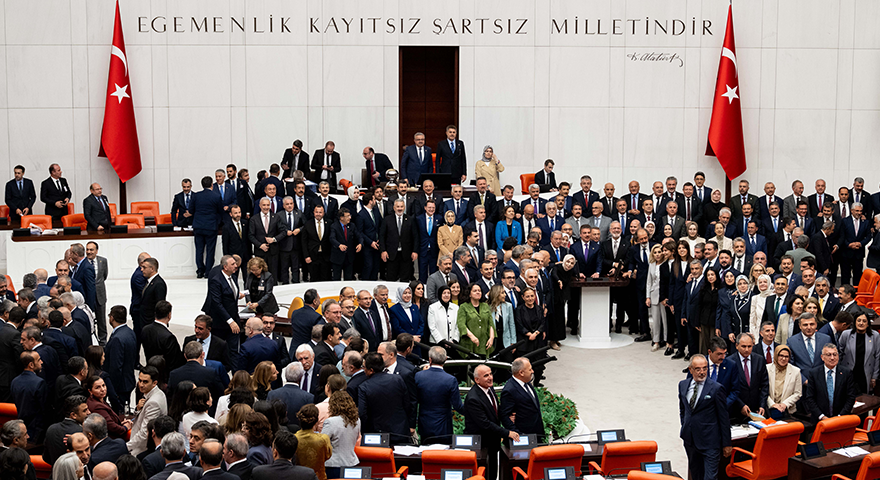
Türkiye’s parliament took another major step on 10 August 2026, overwhelmingly approving legislation establishing a legal framework for the PKK’s disarmament and reintegration of some of its members into civilian life. The measure received support from President Recep Tayyip Erdoğan’s governing AK Party, its nationalist MHP ally, the main opposition Republican People’s Party (CHP) and the pro-Kurdish DEM Party.
The legislation, which came into force following its publication in the Official Gazette on 18 August, allows some investigations, trials and prison sentences relating to PKK membership to be suspended, although those responsible for intentional killings and other serious crimes are excluded. Its provisions can only be activated once Türkiye’s National Security Council confirms that the PKK and its affiliated organisations have fully ended their armed activities and surrendered their weapons.
A government Monitoring and Evaluation Board, chaired by Vice President Cevdet Yılmaz, held its first meeting on 24 August to oversee the dissolution and disarmament process.
Karayılan confirmed to the ANF that the movement had ended its armed campaign and would now seek to pursue its objectives through politics, social organisation and legal means.
Although major questions remain — including broader Kurdish demands for political and cultural rights and the future status of Öcalan — the combination of the PKK abandoning armed struggle and Ankara creating a legal route for disarmament and reintegration represents the most substantial opportunity in years to permanently end a conflict that has cost tens of thousands of lives.