I am an MBA student in a lesser known part of the world called the Turkish Republic of North Cyprus (TRNC). For those who have never visited, it is one of two states on the island of Cyprus, located in the Eastern Mediterranean.
A few weeks ago, I sat in the office of one of the media houses in the TRNC. We talked about a lot of things, but there was one question that was asked: “How are international students enrolled in the universities across the island?” The person asking was curious to know how international students were attracted to come to North Cyprus in particular.
I thought it would be helpful to shed some light on the challenges of the process based on the experiences of myself and fellow students. As things stand, the process is ripe for exploitation from dubious agents due to a lack of proper controls. It is vital the Turkish Cypriot authorities review the situation and I hope the suggestions offered can help manage these issues more effectively.
This article is a little long (I apologise in advance for this), but it is important that we breakdown the process, so it is easier to pinpoint specific problems and appropriate solutions.
Higher education contributes about 20% of the TRNC’s total GDP; it is the second largest sector, just behind tourism. Given the economic fallout due to the pandemic, it is safe to say that higher education revenues could surpass tourism this year, presenting a compelling case for urgent reforms of this major sector.
International students travel to the TRNC arrive from over 80 countries. It is particularly popular with students in Africa, Central Asia and the Middle East.
There are a lot of issues affecting the wellbeing of international students, much of it directly linked to the poor state of affairs in the TRNC. However, the problems arise even before they have left their home country. So, I am going to ask you to become an international student for the rest of this article. Let’s begin.
Learning about the student paradise that is the TRNC
Stakeholder cooperation and comprehensive only information for enrolments
The biggest sticking point is the lack of official information in English covering the student enrolment process from A to Z.
This important resource should be easy to locate online, and created and maintained by the TRNC Education Ministry and TRNC Foreign Affairs Ministry, featuring a host of crucial details including visa and student residency permit criteria, and TRNC employment rules for students. There can be links to Turkish and TRNC embassies, and other key parties such as airlines flying to North Cyprus.
Guidelines covering all TRNC universities by the Education Ministry can cover areas such as university fees, payment options, and accommodation types. There can be a section addressing commonly asked questions, such as “what are working conditions like?”, and “what is the minimum wage in the TRNC?”.
This cooperation should include a change in the process, so visas are automatically issued when students show proof of fee payments to their TRNC university. This is how the system works in The Netherlands.
Early interaction between universities and prospective international students
Employment law in North Cyprus must evolve to reflect the changing needs of the workforce, and these must be strictly enforced for all workers, whether local or foreign. From student work permits, to the minimum wage, provisions exist but are rarely enforced to protect international students, leaving them exposed to exploitation in the workplace.
For example, the police and courts often refuse to intervene if an international student worker is mistreated or harassed by their employer because the student is working without a work permit or for longer than the permitted four hours a day for foreign students. As the student is contravening TRNC employment law, officials view their grievance case as ‘null and void’. This approach means employers regularly escape penalties and so continue to exploit foreign student staff. These loop holes must be closed to prevent such abuse.
Girne District Court, 2019
The TRNC has made provisions for student work permits. This could be adjusted to allow international students to apply directly for a work permit, collected at their various universities (like the resident permit is currently done), providing students with employment rights from the get-go. It then makes reports about employers from students credible in courts should the need arise.
In the same vein, TRNC businesses should be better educated about worker rights and the opportunities of benefiting from a large student workforce if they can offer flexible working hours to allow students to attend classes too.
Higher education technical committee to vet university “agents” and other student needs
Finally and most crucially, the higher education sector must urgently address the role of “agents” who regularly misrepresent the realities of studying in the TRNC. Naturally, there is a role for agents, but they cannot be left to operate as they please.
There should be a code for “agents”, so they act both lawfully and ethically. “Agents” should be vetted, and their status verified by the authorities, so prospective students know they are official representatives of a university and that they are receiving commissions for each student who enrols through them.
These measures should be standardised, and strictly enforced – this is one of the perennial problems of life in North Cyprus, and international students often bear the brunt of it, as they have no local support to overcome those who break the laws and harm them.
A technical committee comprising of all the key stakeholders should drive the changes needed to regulate “agents” and other reforms that can drastically improve the experiences of international students in the TRNC.
Reputations matter, so it is essential the TRNC government and Council of Higher Education (YODAK) act on these issues quickly and fully. Failure to do so risks irreparable self-inflicted damage occurring to one of its most vital sectors, which may take years to recover from.


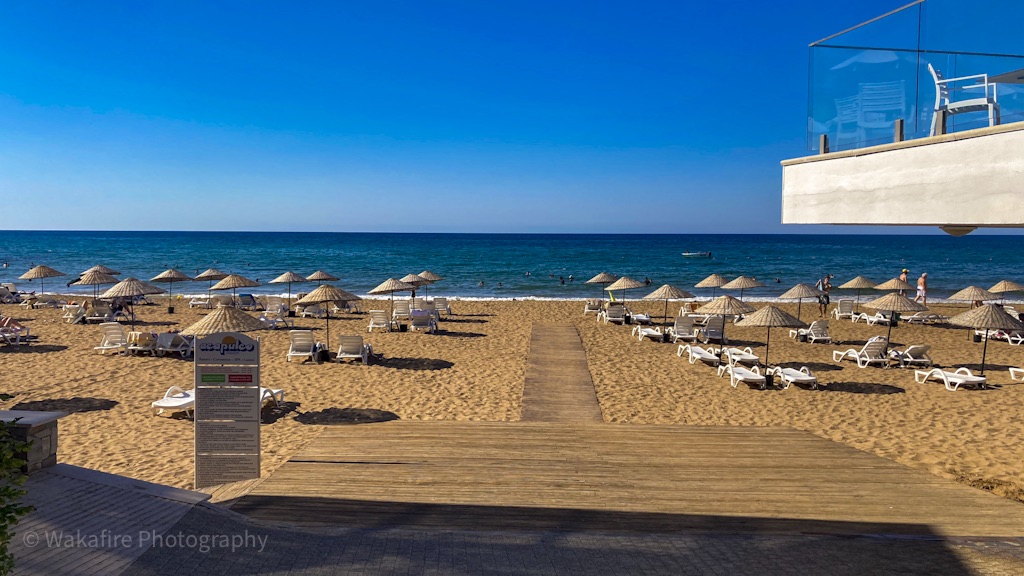 "Living the dream life as a student" - Acapulco Beach Resort, Girne, North Cyprus. Photo © Wakafire Photography
 Photo © wayhomestudio / Freepik
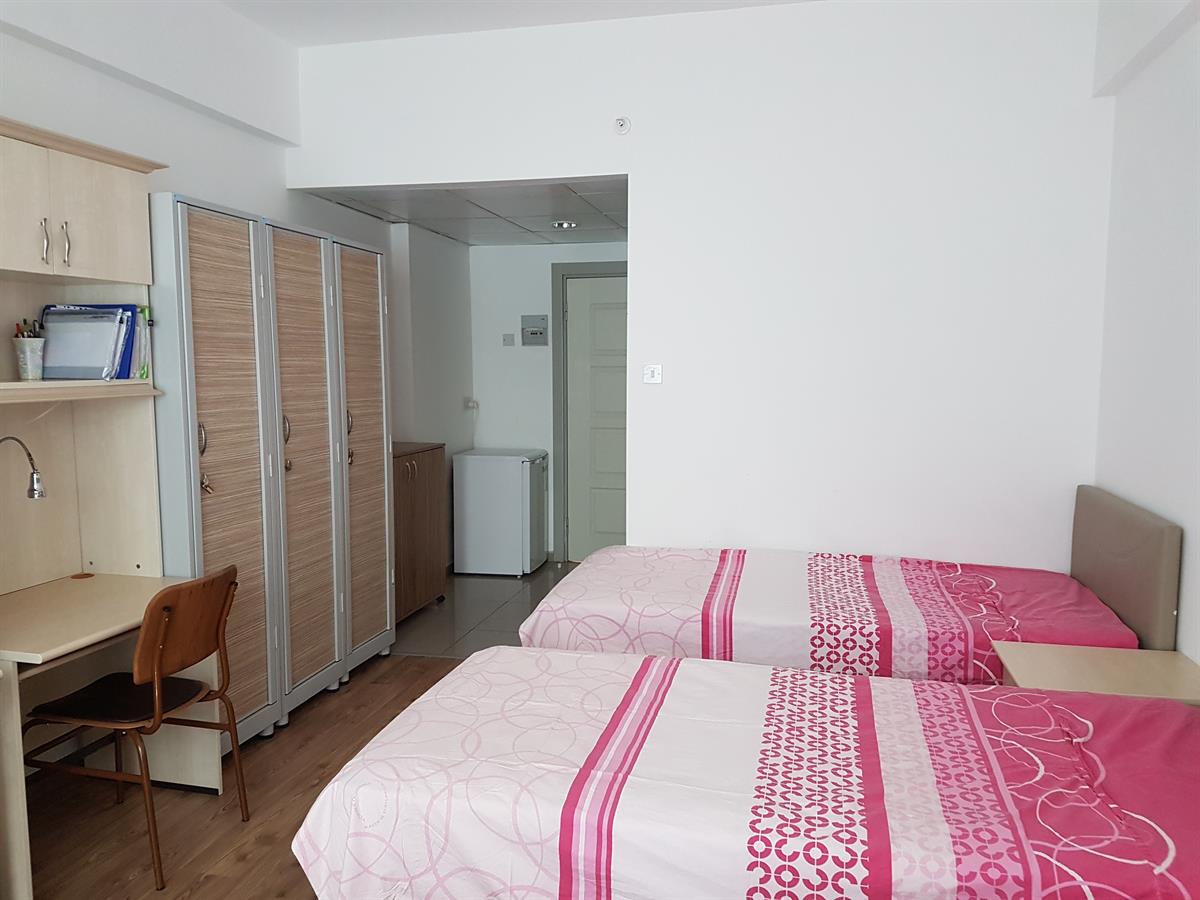 Shared room at a dormitory at the highly rated Eastern Mediterranean University. Photo © EMU
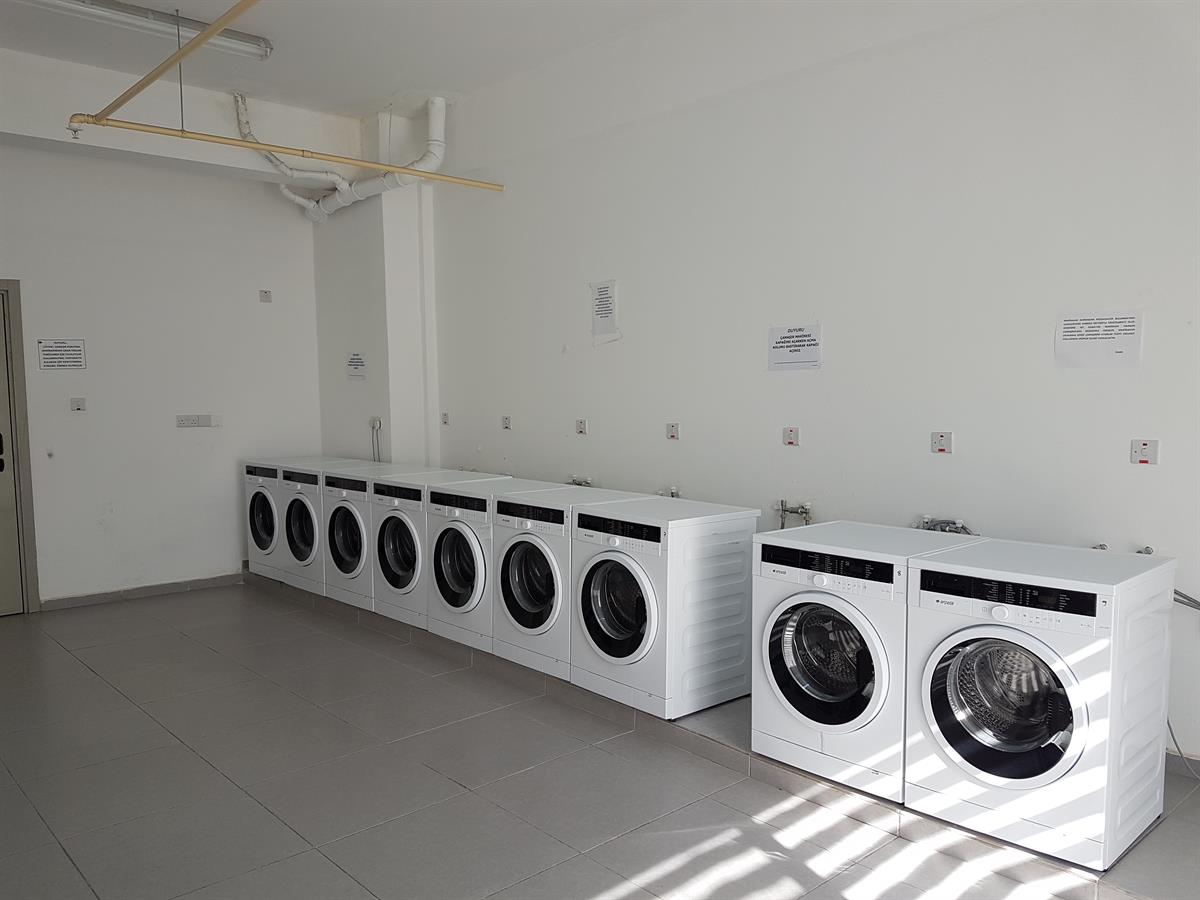 Laundry room at a dormitory at Eastern Mediterranean University. Photo © EMU
 Real estate agent offers pen to sign rental agreement. Photo © yanalya / Freepik
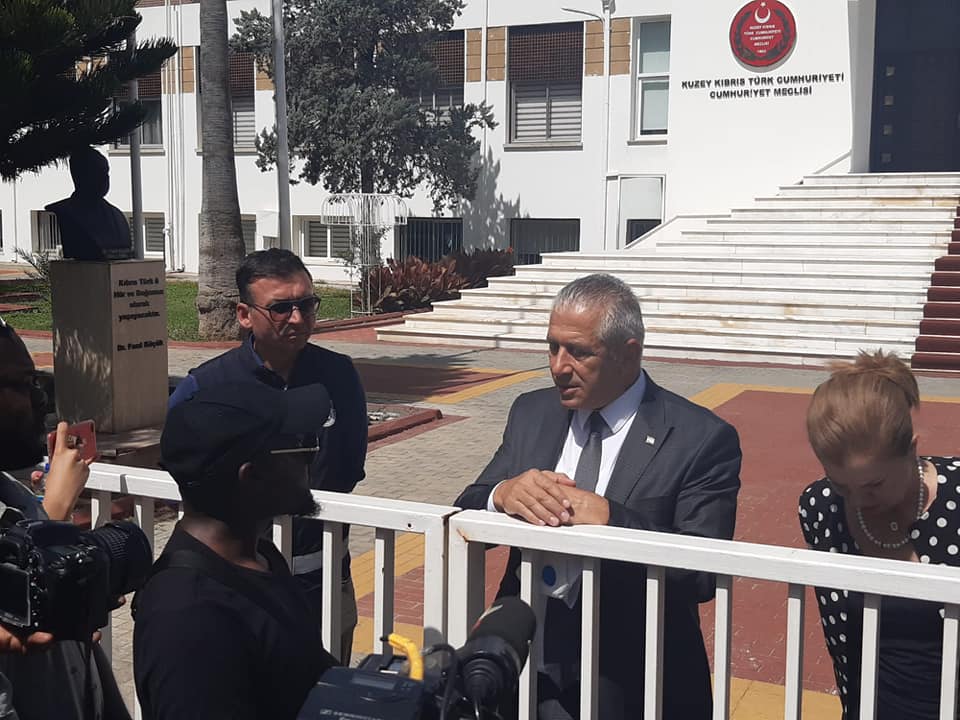 TRNC Economy and Energy Minister Hasan Taçoy meets VOIS Cyprus during an international student protest outside the TRNC Parliament, 08 June 2020. Photo © Facebook / VOIS Cyprus
 Photo © tonefotografia /Freepik
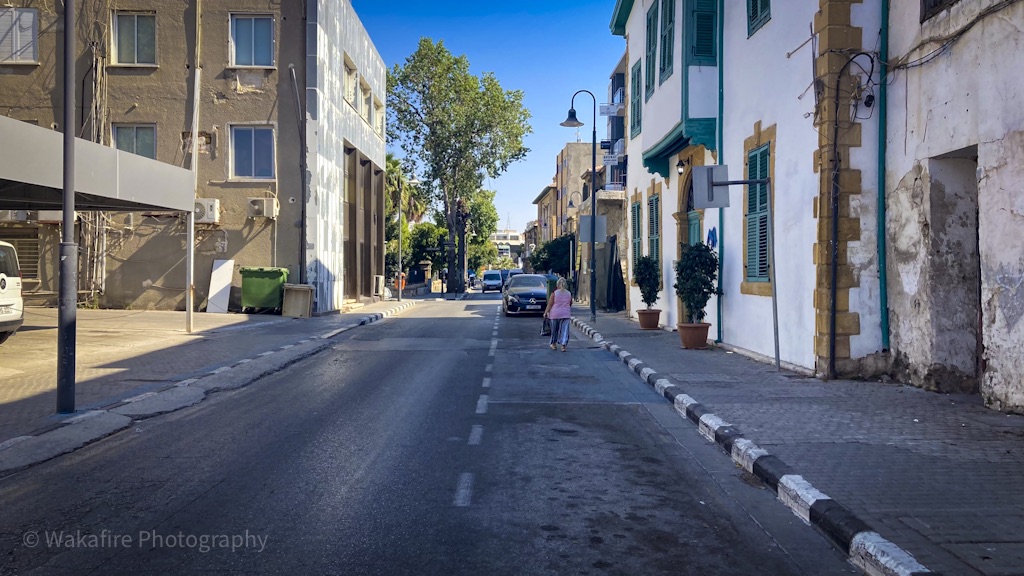 Street in North Cyprus. Photo © Wakafire Photography
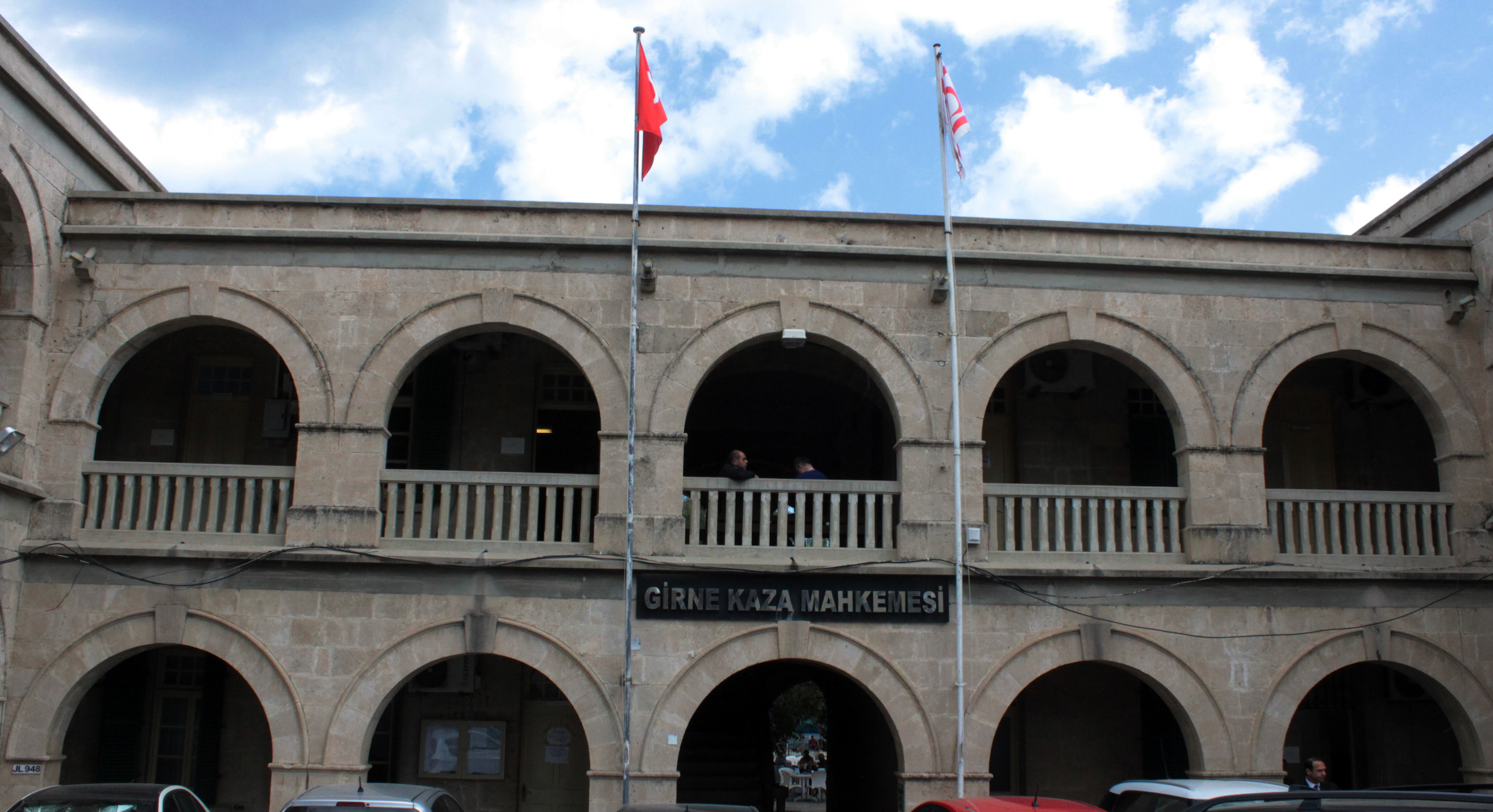 Girne District Court, 2019
 These measures should be standardised, and strictly enforced – this is one of the perennial problems of life in North Cyprus, and international students often bear the brunt of it, as they have no local support to overcome those who break the laws and harm them.
A technical committee comprising of all the key stakeholders should drive the changes needed to regulate “agents” and other reforms that can drastically improve the experiences of international students in the TRNC.
Reputations matter, so it is essential the TRNC government and Council of Higher Education (YODAK) act on these issues quickly and fully. Failure to do so risks irreparable self-inflicted damage occurring to one of its most vital sectors, which may take years to recover from.
These measures should be standardised, and strictly enforced – this is one of the perennial problems of life in North Cyprus, and international students often bear the brunt of it, as they have no local support to overcome those who break the laws and harm them.
A technical committee comprising of all the key stakeholders should drive the changes needed to regulate “agents” and other reforms that can drastically improve the experiences of international students in the TRNC.
Reputations matter, so it is essential the TRNC government and Council of Higher Education (YODAK) act on these issues quickly and fully. Failure to do so risks irreparable self-inflicted damage occurring to one of its most vital sectors, which may take years to recover from.