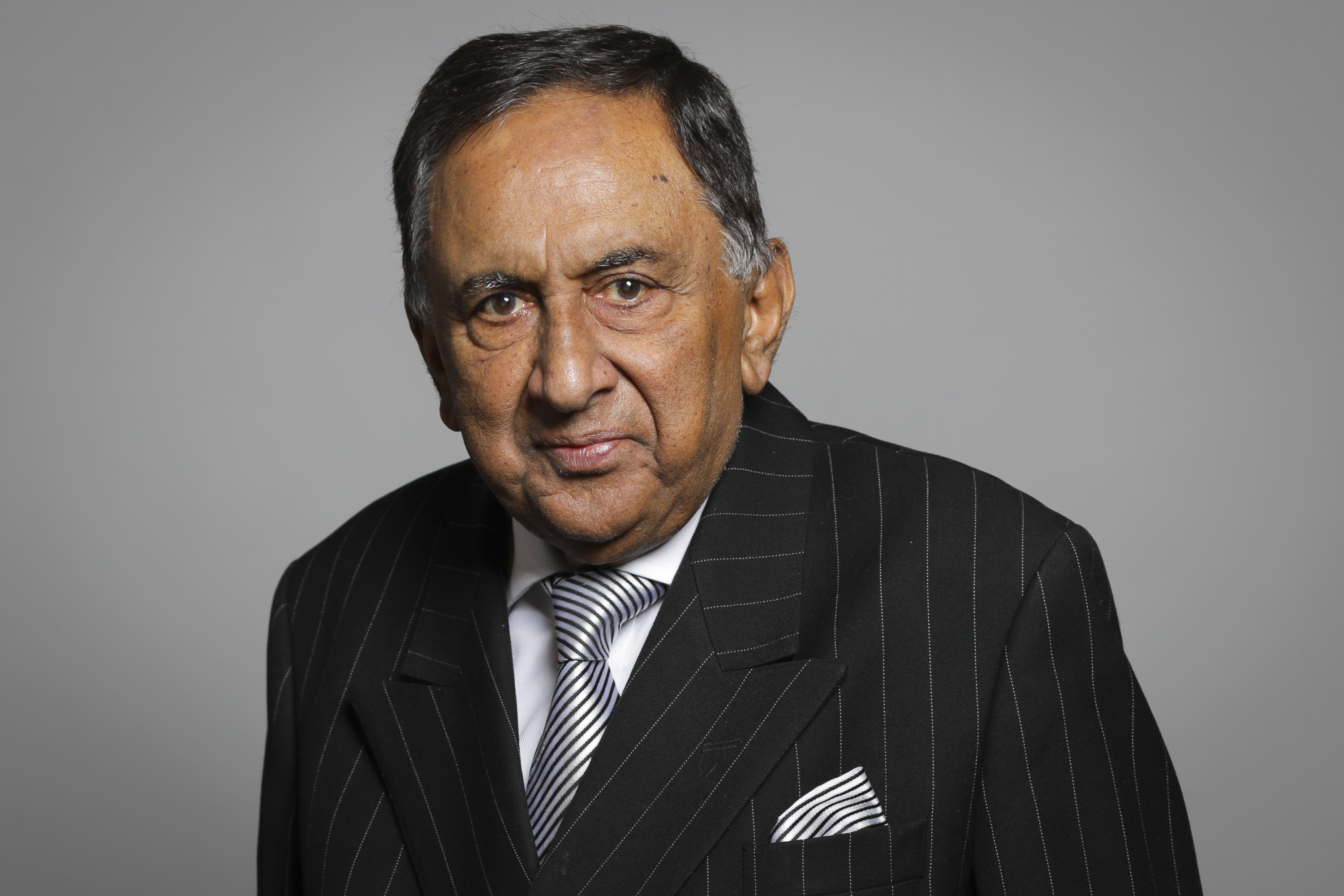
The death of Lord Mohamed Iltaf Sheikh has been described as “a huge loss” by Turkiye’s most senior diplomat in Britain. In a statement to T-VINE, Ümit Yalçın, the Turkish Ambassador to London, said: “Lord Sheikh’s passing is a huge loss in terms of his selfless contributions and service to the values he upheld.”
The pioneering British Muslim peer and co-chair of the All Party Parliamentary Group on Turkiye died last month aged 81.
The Turkish ambassador said, “Lord Sheikh’s valuable efforts for Türkiye-UK relations, as well as his parliamentary work on ethical and humanitarian values will live on as his legacy.”
“Beyond his devotion to the friendly ties between our nations, Lord Sheikh was a kind and dear personal friend whose void cannot be easily filled,” Ambassador Yalçın added.
Ambassador Çimen Keskin, the London Representative of the Turkish Republic of North Cyprus (TRNC), also paid tribute to the British peer:
“Lord Sheikh was an esteemed member of the APPG for the TRNC, a very close friend of our country and a strong supporter of the Turkish Cypriot people's just cause,” said Ambassador Keskin, adding, “I would like to express my sincere condolences to his family and loved ones on his sad demise. Our thoughts are with his family and colleagues.”
Lord Sheikh made national headlines when he became the first-ever Conservative Muslim peer in 2006. He also founded the Conservative Muslim Forum, which he chaired until his death. However, it was his success as a businessman that allowed Lord Sheikh to come to prominence.
From rags to riches
Of Punjabi ancestry, Lord Sheikh was born in Kenya, then known as British East Africa, in 1941 and was raised in Uganda. He was forced to flee to Britain with his family in 1972 after despotic Ugandan leader General Idi Amin expelled all Asians from the country. The family, like many other immigrants, arrived in Britain without any money or assets, and were forced to rebuild their lives from scratch.
“We arrived here penniless. General Idi Amin took everything from us, except what we had in our minds. Because we were doing very well in Uganda, we came here and we were prepared to work hard.
“What we did in this country, was perhaps what we had learned in Uganda and that is to use our brains, to use our initiative, work hard, and we have done very well,” Lord Sheikh said about his early days in Britain.
His father had been a wealthy trader in coffee and cotton, and had also invested in property. That entrepreneurship seeped into his son, who started working for an insurance broker called Camberford Law, which he ended up buying.
Lord Sheikh’s bold business steps saw the firm grow to serve 1,800 brokers and become a public listed company. At its peak, Camberford Law won 12 major industry awards in a period of three years. He went on to become chairman and chief executive of Lloyd’s Brokers.
Made a life peer in 2006 with the title Baron Sheikh of Cornhill, Mohammed Sheikh used his new role to increase the prominence of Muslims and worked hard to integrate them more into British society. He was also active in bringing together Britain’s diverse ethnic and religious groups, and deepening relations between Britain and its allies abroad.
The peer was a visiting lecturer at various universities and sought to improve educational, cultural and commercial ties between the UK and other countries.
A published author, Lord Sheikh’s books included ‘An Indian in the House’, about the first four Indians who became members of the British Parliament. He was working on his third book, a historical novel, at the time of his death.
Philanthropy is central to the Muslim way of life, and it was also integral to Lord Sheikh, who devoted considerable time and money to charitable causes. He was patron to various organisations, including the charity Orphans in Need.
He also established Sheikh Abdullah Foundation, named after his father, which gives grants and charitable donations to groups and individuals involved in education, poverty relief, conservation, and improving wellbeing, especially those supporting people with disabilities.


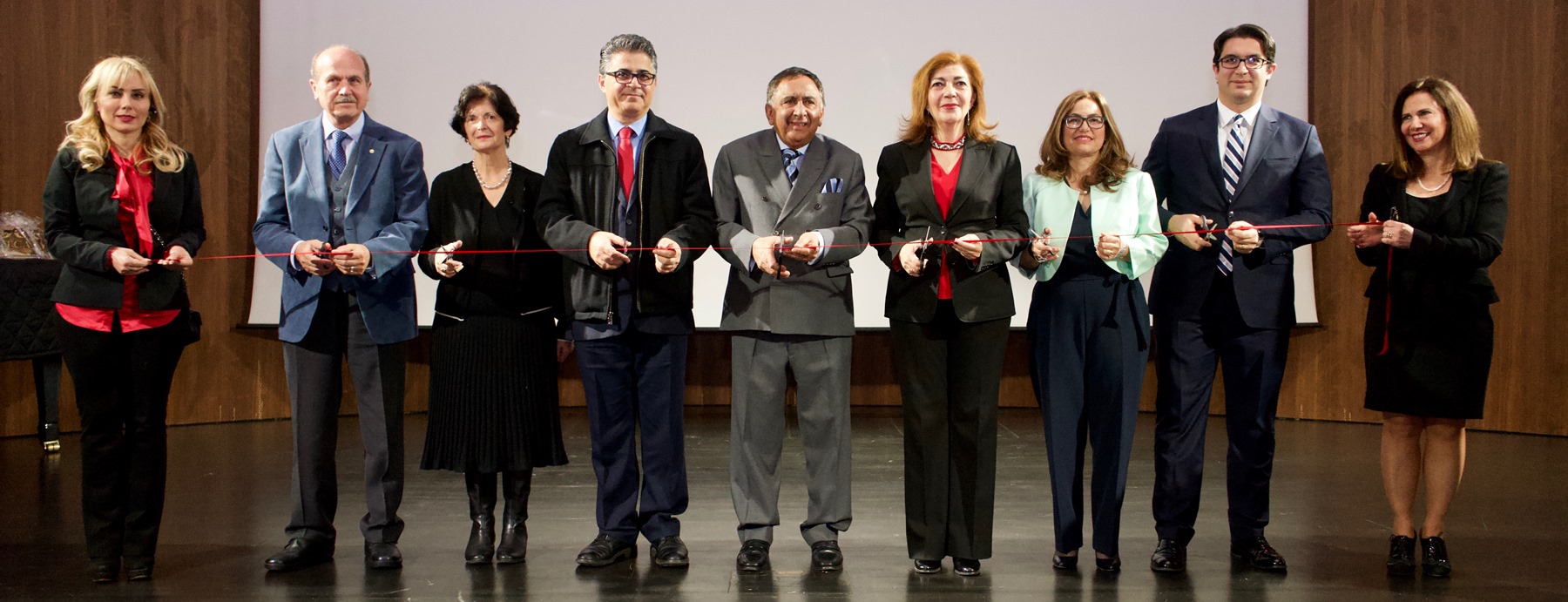 Lord Mohammed Sheikh, centre in grey suit, is chief guest at 100 Years of Turkish Cypriot Migration exhibition at the V&A, 09 Dec. 2017. Photo © Olgun Sadik
 Boris Johnson waving, 07 Nov. 2019. Photo © Facebook / Boris Johnson