

The splendour of Ottoman court life, treasures of Byzantine craftsmanship and the everyday pleasures of Istanbul’s coffee houses, bathhouses and music will come together in a major new exhibition at London’s Victoria and Albert Museum this November.
Opening on Saturday 7 November, Constantinople to Istanbul: One City, Two Empires will explore the art and design of a city that served as the capital of two successive empires, tracing its story from AD 330 to 1922.
The V&A describes the exhibition as the first major UK show to explore this history in full. More than 200 objects will bring visitors closer to the people, traditions and creative exchanges that shaped one of the world’s most influential cities.
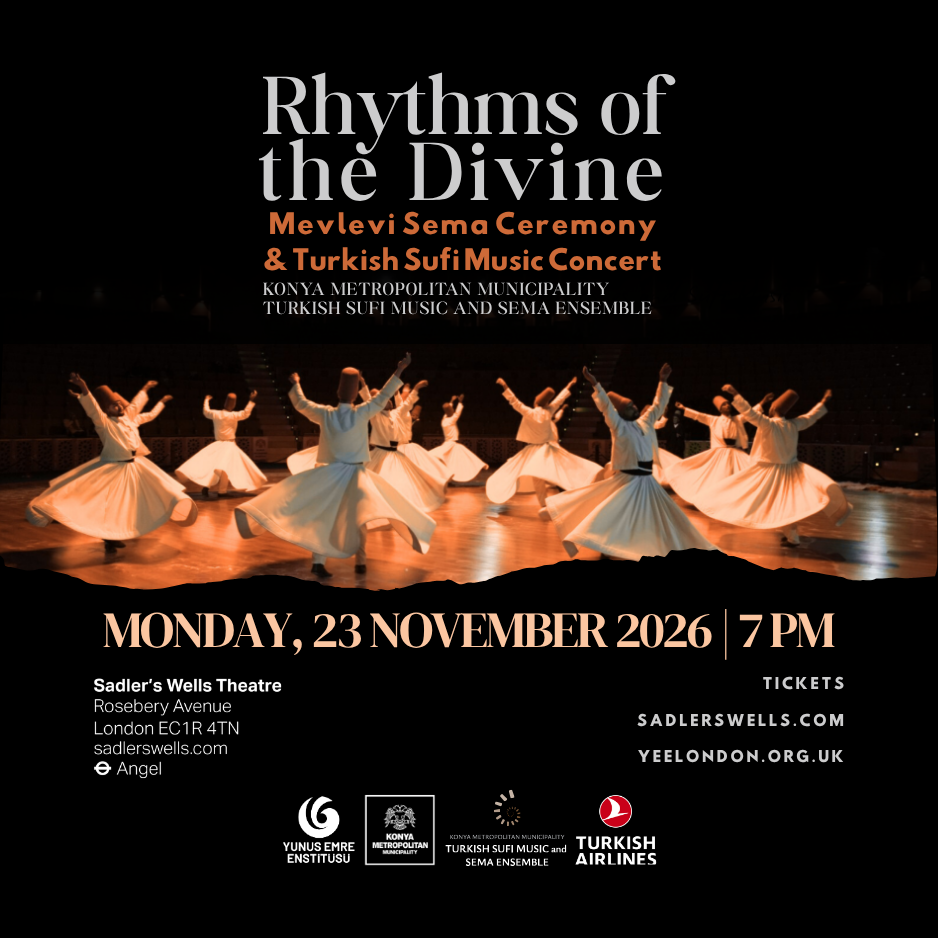
Rarely seen works from the museum’s own collections will appear alongside loans from institutions including Istanbul’s Museum of Turkish and Islamic Arts, the Vehbi Koç Foundation’s Sadberk Hanım Museum, the Vatican Museums, the British Museum and the British Library. Many objects will be displayed in the UK for the first time.
Through immersive staging, visitors will encounter the city’s harbours, streets and landmarks, exploring how imperial ambition, religious devotion and daily life helped shape its artistic identity.
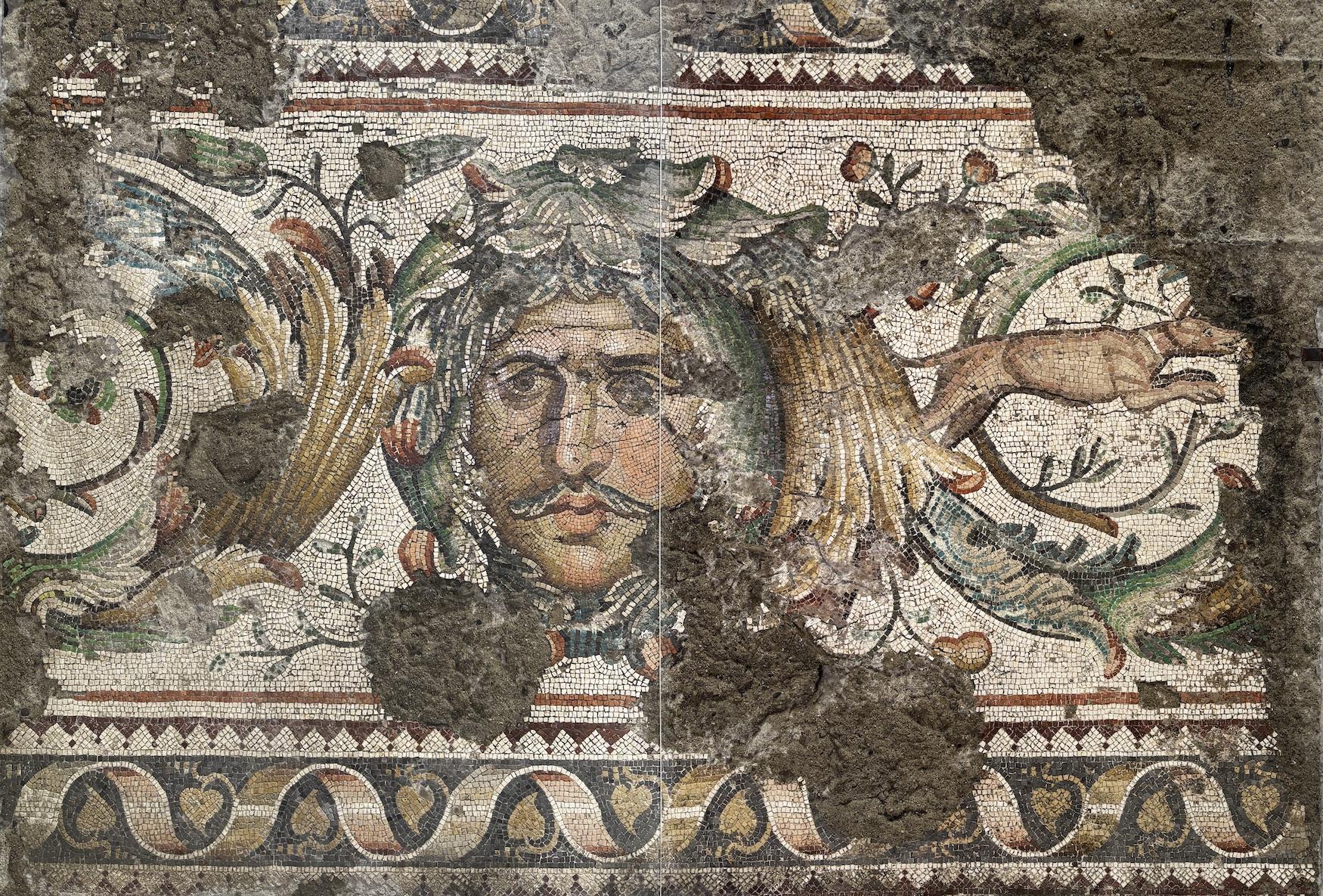
Fragment from the Great Palace Mosaic 6th century. Great Palace Mosaic Museum, Inventory Number: 19, Istanbul Hagia Sophia History and Experience Museum Directorate,
Republic of Türkiye, Ministry of Culture and Tourism
The journey begins with Roman Beginnings, examining Constantine the Great’s refounding of the city in AD 330. Mosaics, architectural fragments and objects associated with the Hippodrome will evoke a capital where chariot racing was both popular entertainment and a powerful expression of imperial authority.
Among the highlights will be a fragment of the Serpent Column, originally erected at Delphi, and miniature mosaics from the Great Palace of the Byzantine emperors.
The second section, Heaven and Earth, turns to the relationship between faith and artistic achievement. Objects associated with Byzantine churches, including Hagia Sophia, will sit alongside jewellery, silk and intricate metalwork made for emperors and their courtiers.
Highlights include the richly carved ivory Veroli Casket and an 11th-century miniature enamel triptych designed to be worn around the neck. The Lincoln Typikon, an illustrated 14th-century manuscript from a Constantinople nunnery, will be shown to the public for the first time in more than 60 years.
Ottoman grandeur takes centre stage in Power and Reach, which explores how the sultans used ceremony, clothing and precious materials to project their authority.
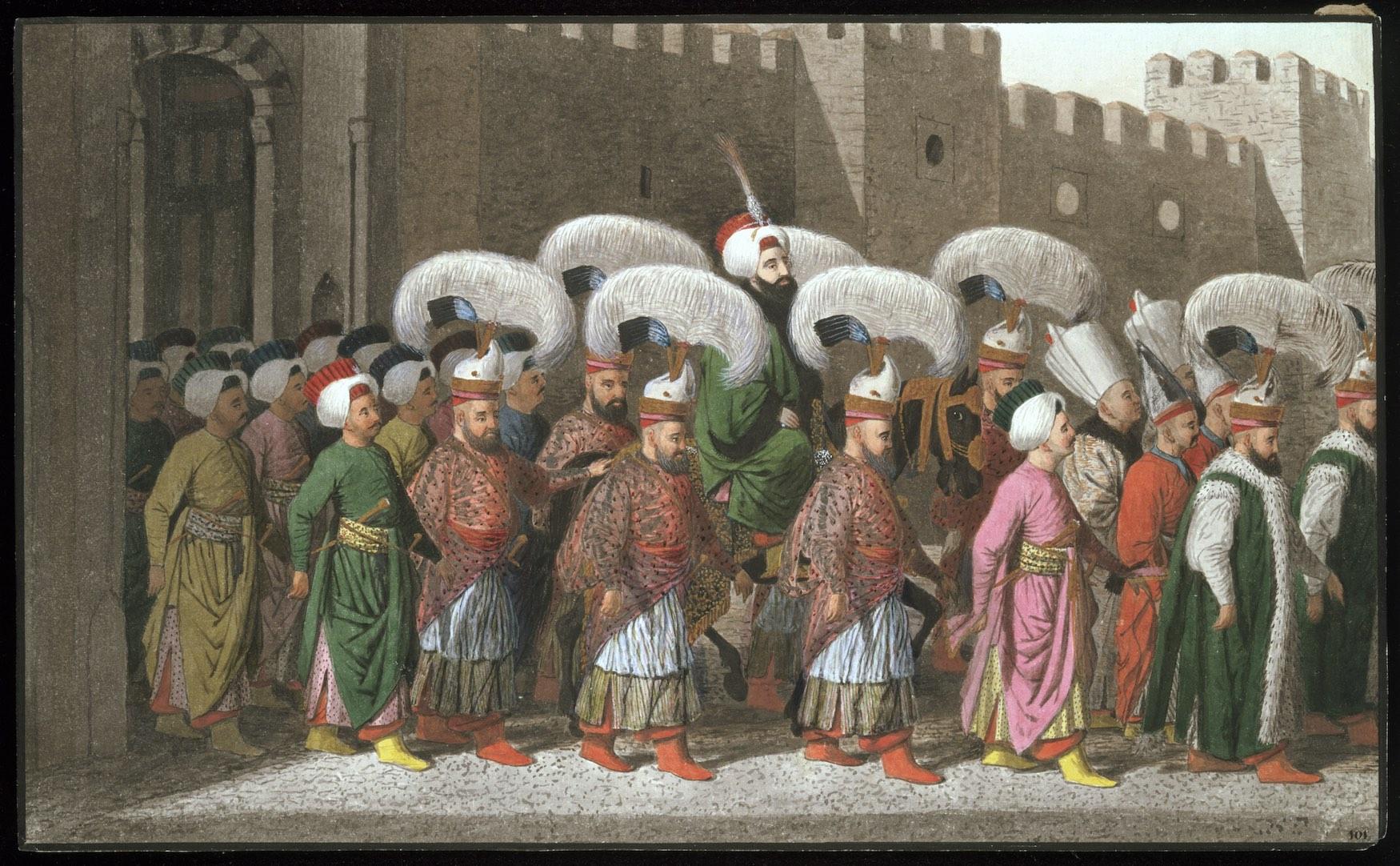
The Sultan riding out in procession to Friday Prayers, about 1809. Anonymous Greek artist © Victoria and Albert Museum, London
Gentile Bellini’s celebrated portrait of Sultan Mehmed II, on loan from London’s National Gallery, will feature alongside a jewelled ivory belt from the tomb of Sultan Selim II, elaborate turban ornaments and a velvet-and-silver horse covering made for courtly display around 1600.
The exhibition also looks beyond palaces and rulers. Its final section, Life in the City, explores a cosmopolitan population whose languages, faiths and artistic traditions helped create Istanbul’s distinctive urban culture.
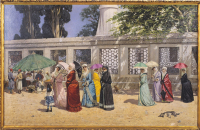
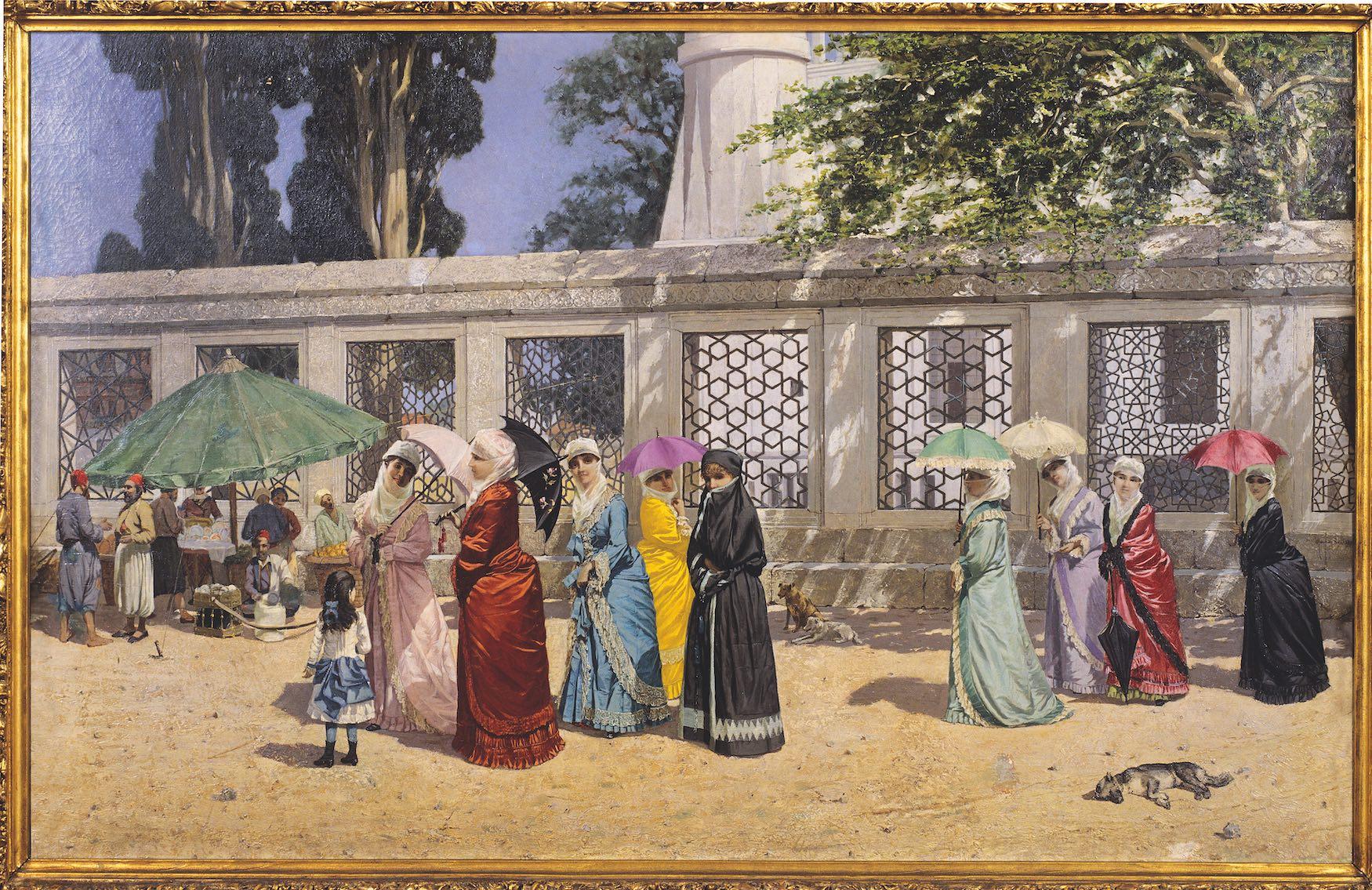
Elegant silk üçetek entari robes from the Sadberk Hanım Museum will offer a glimpse of Ottoman fashion, while a painting by Osman Hamdi Bey depicts women walking past the Sultan Ahmed Mosque.
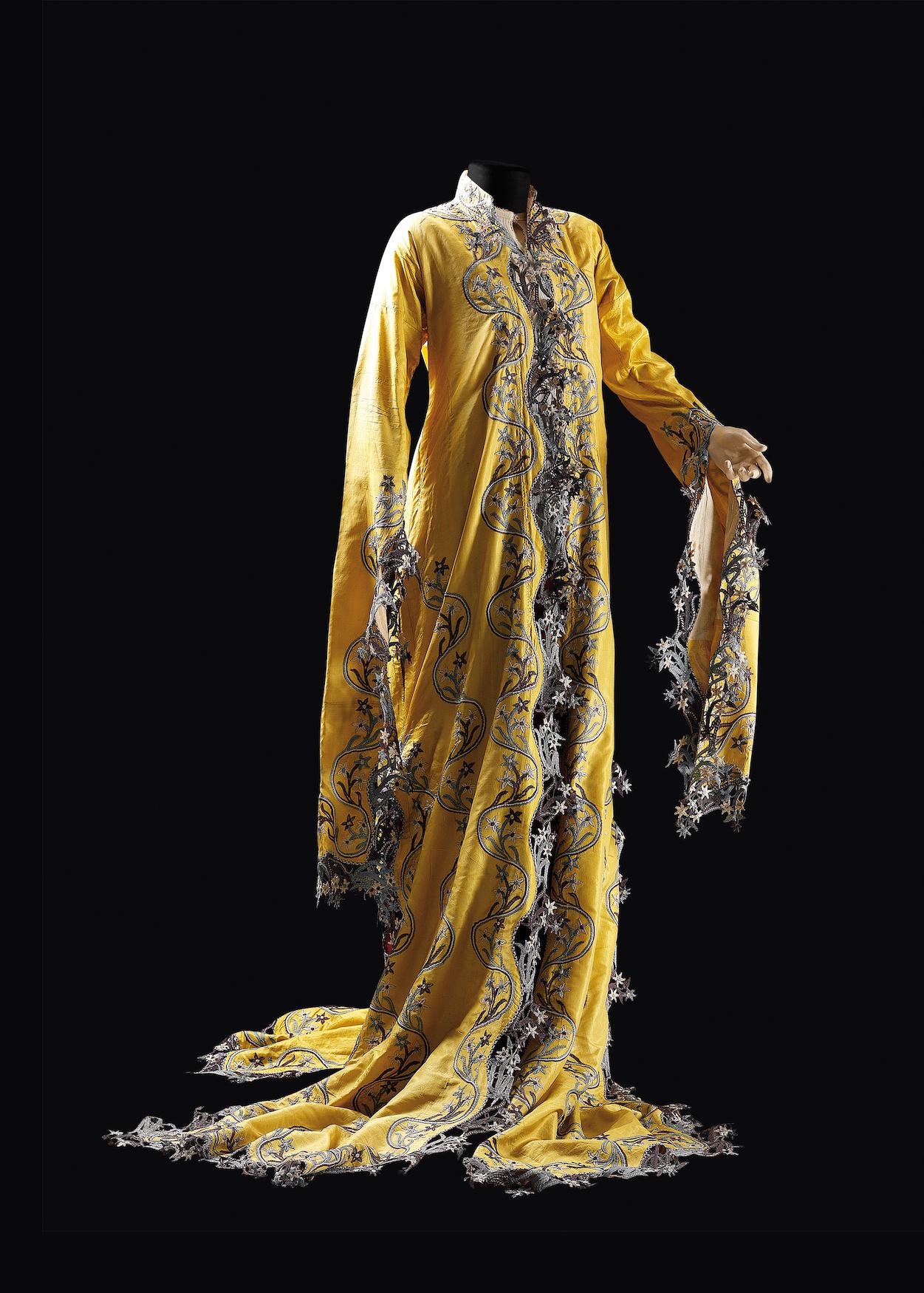
Üçetek Entari featuring a laid cord technique. Photo: © Vehbi Koç Foundation’s Sadberk Hanım Museum
Other highlights include tiles from the Zeyrek Çinili Hamam and one of the earliest surviving long-necked tambur lutes, dating from around 1750 and decorated with ivory, tortoiseshell and mother-of-pearl.
Curator Tim Stanley said: “By combining the stories of these two empires and the amazing art they both produced, we have been able to release the stories of Constantinople and Istanbul from their separate boxes and let them enjoy the limelight together.”
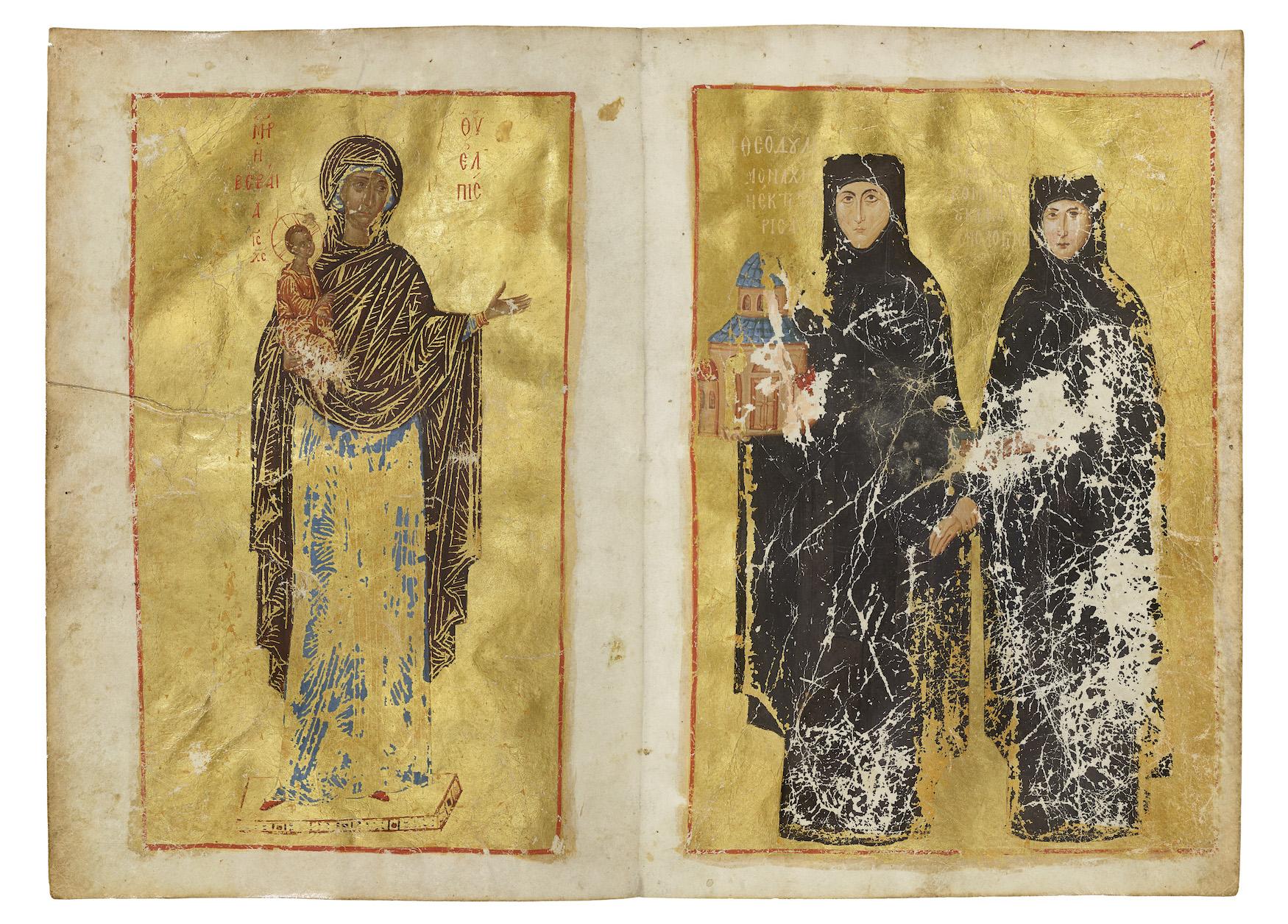
Lincoln Typikon of the Convent of the Virigin of Sure Hope, tempera and gold on parchment. By permission of the Rector and Fellows of Lincoln College, Oxford
The exhibition concludes by tracing the influence of Byzantine and Ottoman art on 19th-century European designers, including Owen Jones and William Morris.
Curated by Stanley and project curator Bella Radenović, the exhibition is presented in partnership with Koç Holding, with support from the Huo Family Foundation.
Exhibition details
Exhibition: Constantinople to Istanbul: One City, Two Empires
Dates: Saturday 7 November 2026 to Sunday 9 May 2027
Venue: Galleries 38 and 39, V&A South Kensington, Cromwell Road, London SW7 2RL
Tickets: £25 weekdays; £27 weekends. Concessions available. Advance booking recommended.
Bookings and further information: V&A exhibition website.
Main image, top, of an Osman Hamdi Bey painting Ladies Taking a Walk, 1887, Yapi Kredi Bank Collection