
Fifteen Turkish Cypriot victims of the 1974 massacre at Atlılar, including a baby just 40 days old and another aged 16 months, have finally been laid to rest under their own names, 52 years after they were killed.
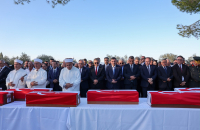
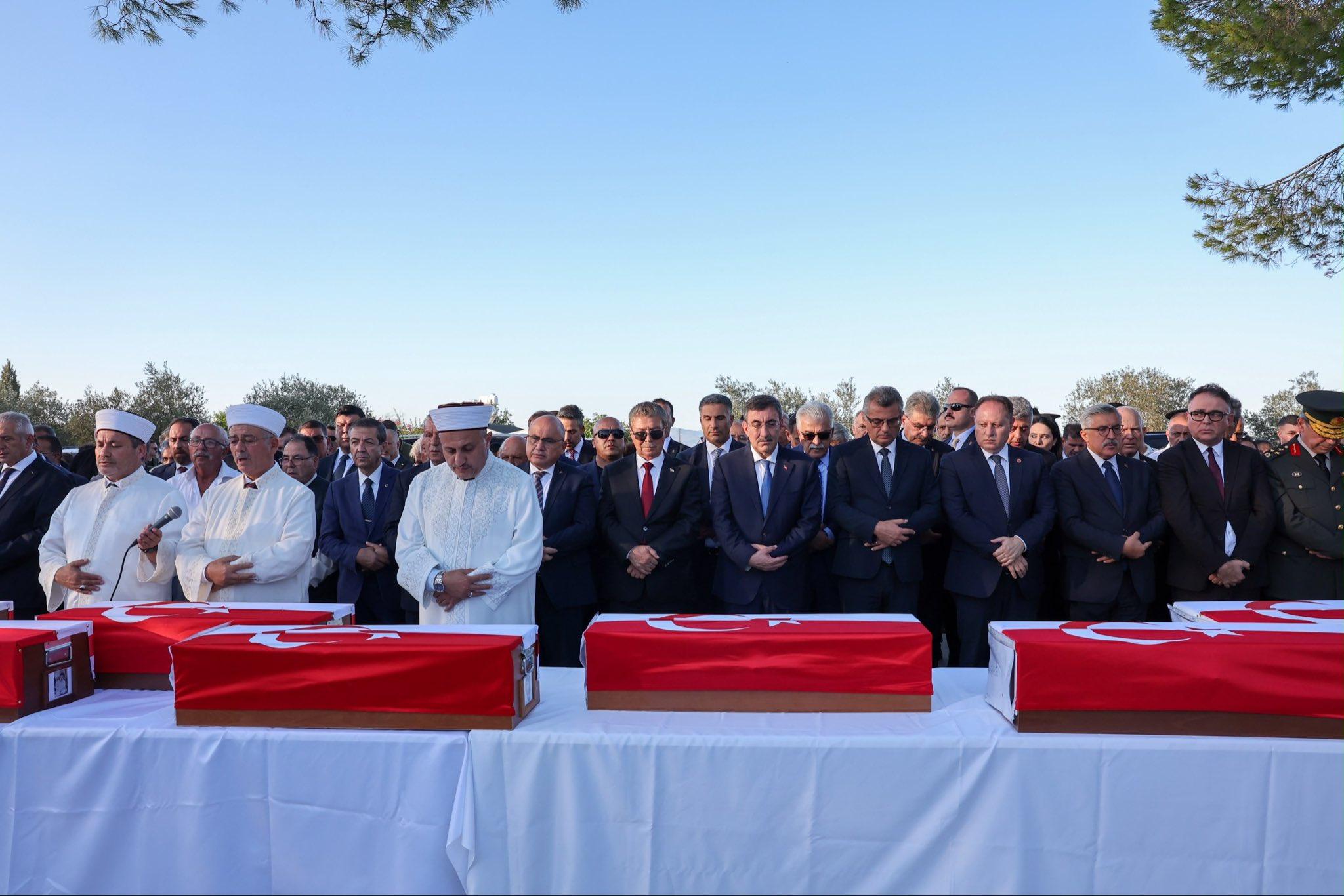
The victims, whose remains were identified following work by the Committee on Missing Persons in Cyprus (CMP), were buried at Atlılar Martyrs’ Cemetery on Friday, 18 September, at a state ceremony attended by relatives and senior Turkish Cypriot and Turkish officials.
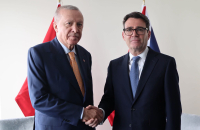
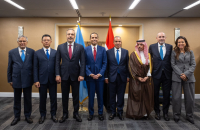
Among those present were TRNC President Tufan Erhürman, Turkish Vice President Cevdet Yılmaz, Parliamentary Speaker Ziya Öztürkler, Prime Minister Ünal Üstel and other ministers and officials.
The ceremony began with a minute’s silence and ceremonial gun salute, followed by remarks on behalf of the bereaved families from Gürsel Benan, chairman of the Association of Martyrs’ Families and Disabled Veterans.
After funeral prayers, coffins draped in the Turkish and TRNC flags were carried to their graves alongside photographs of the victims. The flags and photographs were then presented to their families before the burials took place and prayers were said.
Benan summed up the emotion of the occasion simply: “Today, we are here to complete our unfinished farewell.”
Babies and children among those finally identified
The identities were established after the CMP examined remains recovered during excavations at Atlılar Martyrs’ Cemetery between 24 July 2023 and 23 April 2024.
Those laid to rest were: Tülay Süleyman, 28, Hasan Süleyman, 10, Kemal Süleyman, 6, Okan Süleyman, 3, Gürhan Ali Çerkez, 12, Ayşe Hasan, 56, Narin Hasan, 16, Kıymet Hasan, 22, Betül Arnavut, 16 months, Mualla Ali Osman (Pipalı), 36, Gülden Ali Osman (Pipalı), 4, Özlem Ali Osman (Pipalı), 2, Seldem Ali Osman (Pipalı), 40 days, Fatma Tahir, 46, and Emine Tahir, 22.
The burials bring some measure of closure to families who have waited more than half a century for their loved ones to be individually identified.
According to Cevdet Yılmaz, all 89 victims from Muratağa and Sandallar have now been identified through the CMP process, along with 15 of the 37 people killed at Atlılar. Work relating to the remaining 22 Atlılar victims is continuing.
One of the darkest chapters of 1974
The three neighbouring Turkish Cypriot villages of Muratağa, Sandallar and Atlılar, in the Gazimağusa district, were the scene of one of the worst massacres of civilians during the 1974 Cyprus conflict.
On 14 August 1974, 126 Turkish Cypriot civilians – overwhelmingly women, children and elderly people – were killed and buried in mass graves. The accepted figure comprises 89 victims from Muratağa and Sandallar and 37 from Atlılar.
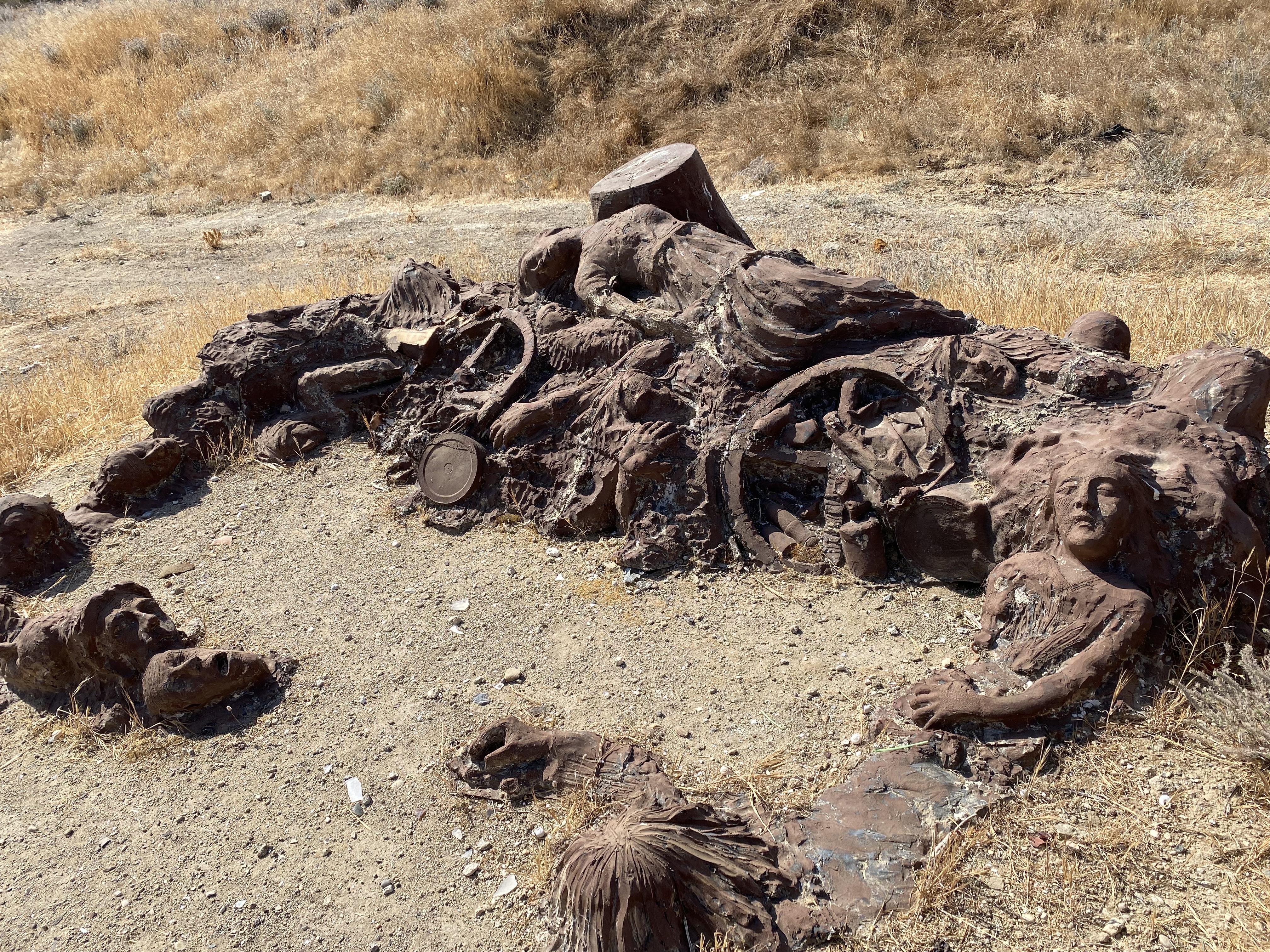
A monument to the victims at the excavated site of the 1974 mass grave in Muratağa / Maratha, photo taken in 2021 by Seksen iki yüz kırk beş, CC by 4.0
Contemporary and historical accounts identify Greek Cypriot militiamen associated with EOKA-B as responsible for the killings. A historical document published by the Greek Cypriot-administered Republic of Cyprus Education Ministry also records the deaths of 126 people in the three villages and identifies the perpetrators as Greek Cypriot militia.
The killings occurred amid the renewed fighting on the island in August 1974 and left the three small Turkish Cypriot communities devastated.
Museum preserves victims’ lives and belongings
Following Friday’s burials, dignitaries travelled to Sandallar, where the Muratağa-Atlılar-Sandallar Martyrs Museum was formally opened.
Created with the support of the Turkish Cooperation and Coordination Agency, TİKA, the museum is housed in the village’s former primary school, a building dating from 1930. Fourteen of the school’s 16 pupils were among those killed in 1974.
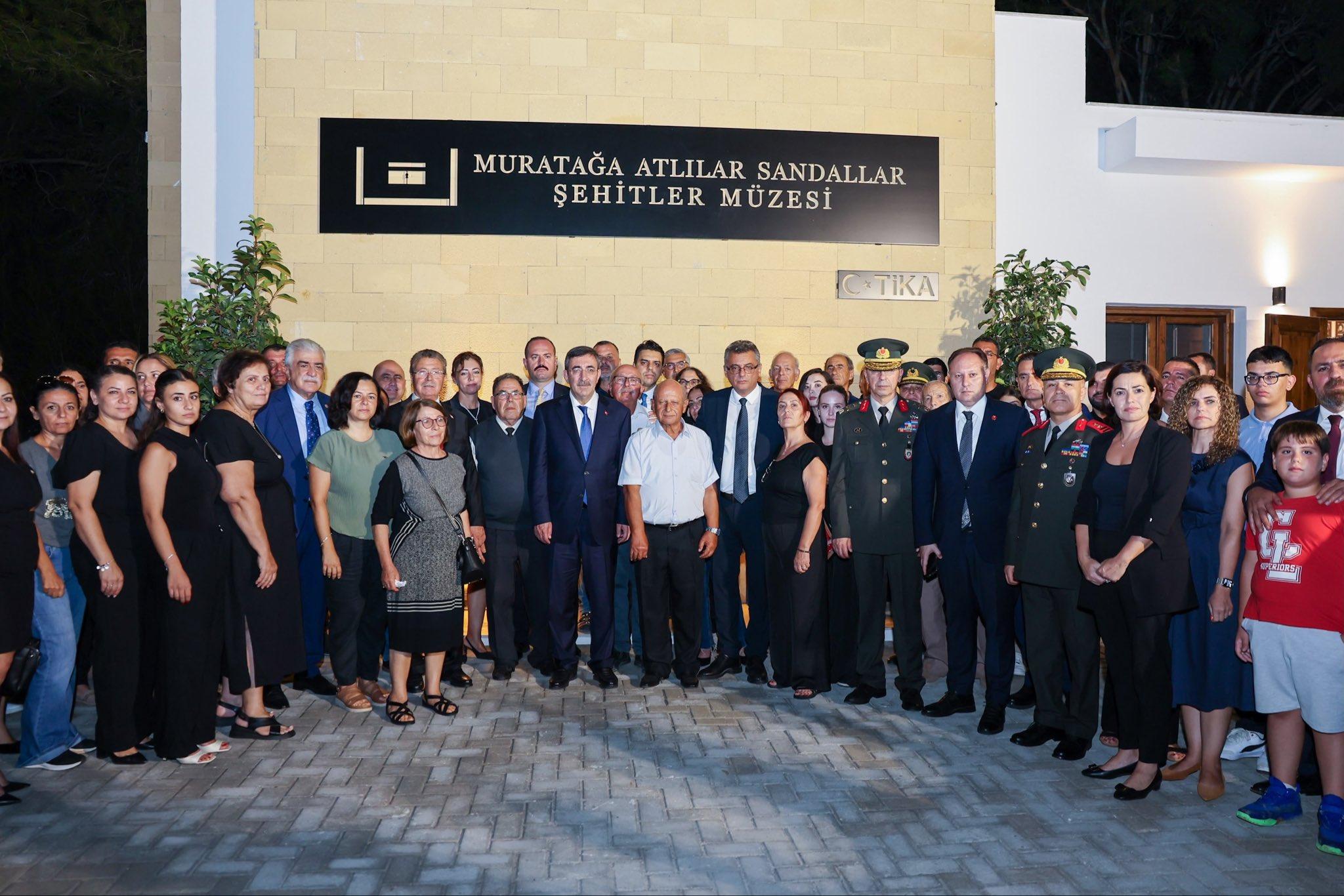
The single-storey, 154-square-metre museum contains photographs, letters, clothing, school records and other personal possessions belonging to victims, alongside material documenting the history of the three villages and the massacre. The children's original school desks and chairs have also been preserved, with photographs and books placed on them in remembrance of the pupils who never returned.
Speaking at the opening, President Erhürman said the museum would help pass the experiences of the Turkish Cypriot community on to future generations.
Referring to those who had been buried earlier that day, he said: “Those who massacred our people also massacred humanity and civilisation.” He added that what happened at Atlılar would “never be erased from the memory of the Turkish Cypriot people.”
Erhürman also stressed the importance of looking forward, saying: “Building our future without forgetting our past… is a shared responsibility for all of us.”
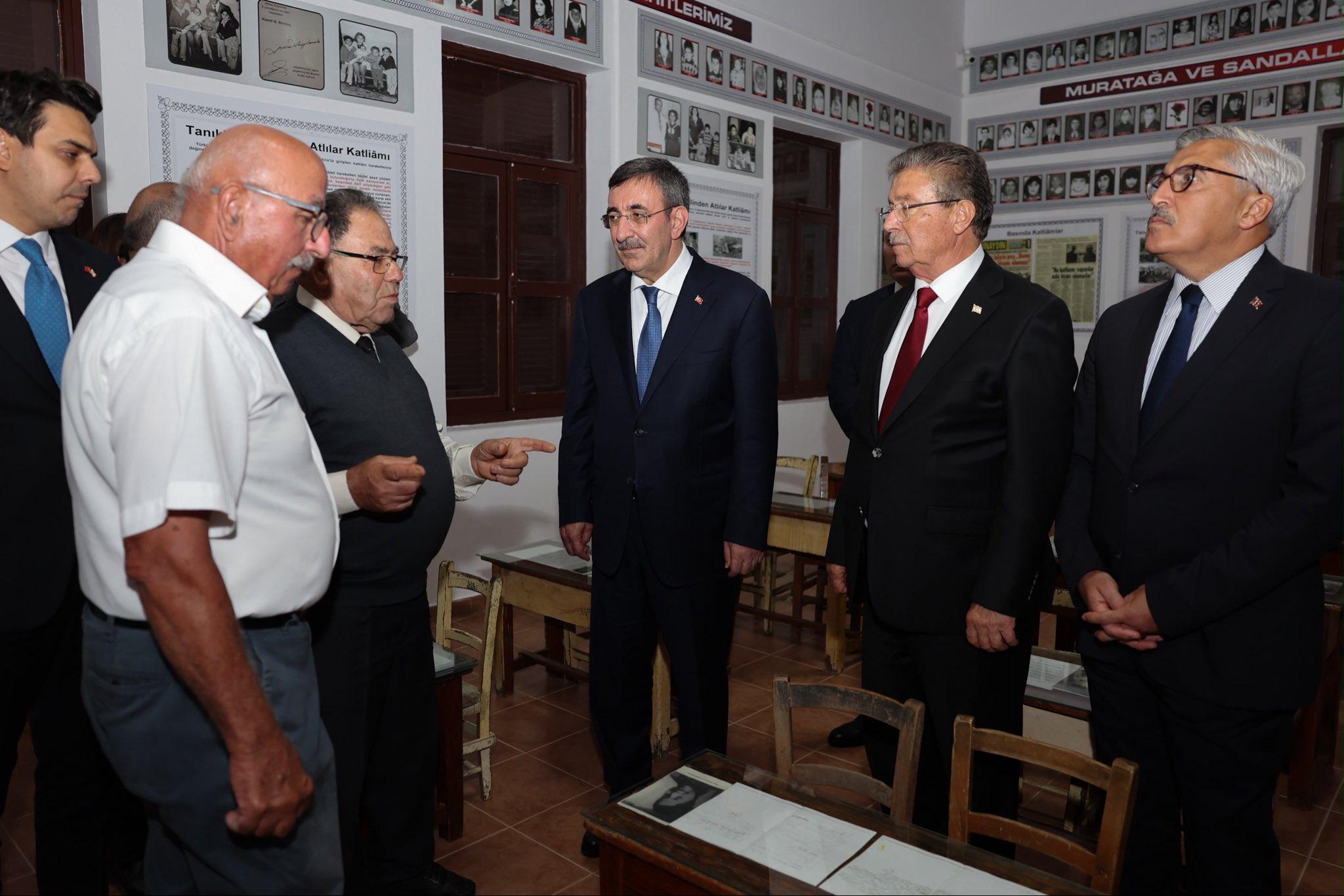
Turkish Vice President Cevdet Yılmaz described the museum as an important means of preserving both evidence and personal memory.
He said its creation represented an important step towards documenting the historical record and explaining it accurately to the wider world, adding: “Every loss should be approached with the same human measure.”
Yılmaz said objects recovered during the identification process – from letters and school notebooks to family photographs and everyday possessions – demonstrated that behind every name was “a life, loved ones and unfinished dreams.”
For the families gathered at Atlılar on Friday, however, the day was first and foremost about finally being able to give 15 loved ones the individual graves, names and farewells denied to them for more than half a century.