
A controversial court ruling has returned Kemal Kılıçdaroğlu to the leadership of the Republican People’s Party and prompted his successor, Özgür Özel, to establish a rival opposition movement. Yeni Parti has already overtaken the CHP in parliament and attracted support from scores of mayors, but the rupture could either revitalise Türkiye’s opposition or hand President Recep Tayyip Erdoğan a divided field ahead of the next national elections.
Türkiye’s main opposition has suffered its most consequential split in decades after Özgür Özel left the Republican People’s Party, or CHP, and established Yeni Parti – the New Party – with 90 other MPs.
The new movement was formally registered on 24 July, three days after Özel announced what he described as an unavoidable but “sad farewell” from the party founded by Mustafa Kemal Atatürk. Yeni Parti immediately became Türkiye’s second-largest parliamentary party and the country’s official main opposition group.
The breakaway was triggered by an appeals court decision on 21 May that annulled the CHP congress at which Özel defeated Kemal Kılıçdaroğlu in November 2023. The court reinstated Kılıçdaroğlu as chairman, citing alleged irregularities in the congress vote.
Özel and his allies regard that ruling as an externally engineered intervention designed to reverse the transformation of a party that had recently become a serious electoral threat to Erdoğan’s ruling Justice and Development Party, the AKP. Kılıçdaroğlu and his supporters, however, maintain that allegations of vote-buying and procedural wrongdoing had to be addressed and that the CHP must operate within the law.
The result is an extraordinary contest over who represents the legitimate continuation of Türkiye’s oldest political party: the organisation, name and historic six-arrow emblem now led again by Kılıçdaroğlu, or the majority of its former parliamentary group and much of the campaigning machinery that delivered the CHP’s landmark local election victory under Özel.
From pharmacist to election-winning opposition leader
A pharmacist by profession and an MP for Manisa since 2011, Özel spent years in senior parliamentary roles before challenging Kılıçdaroğlu following the CHP-led opposition’s defeat in Türkiye’s 2023 presidential and general elections.
At the party congress in November 2023, Özel secured 812 of the possible 1,366 delegate votes in the second round, bringing Kılıçdaroğlu’s 13-year leadership to an end. His victory was supported by a younger generation of party figures and closely associated with İstanbul Mayor Ekrem İmamoğlu, who had become the opposition’s most prominent electoral asset.
Özel’s first nationwide electoral test came only five months later. In the March 2024 Local Elections, the CHP retained İstanbul and Ankara, captured additional major cities including Bursa and Balıkesir and finished ahead of the AKP nationally.
Scenes from Özgür Özel's constituency of Manisa four days after the Local Elections, where CHP beat the AKP for the first time in over 20 years.
It was the governing party’s worst election result since coming to power more than two decades earlier. İmamoğlu defeated his AKP challenger in İstanbul by approximately 10 percentage points, while Mansur Yavaş secured another commanding victory in Ankara. The CHP ultimately won 14 metropolitan municipalities, 21 provincial centres, 337 districts and 48 smaller towns.
The result restored hope to an opposition demoralised by repeated defeats and strengthened Özel’s argument that the CHP could expand beyond its traditional secular and social democratic base.
The victory was not his alone. Analysts also pointed to high inflation, economic discontent, divisions among conservative voters and the ability of popular mayors such as İmamoğlu and Yavaş to attract support from outside the CHP. Nevertheless, the elections took place under Özel’s leadership, and his supporters believe he deserves substantial credit for resisting pressure to create another cumbersome formal opposition alliance and instead promoting a broader, voter-led “Türkiye alliance”.
His leadership became more combative after İmamoğlu was detained in March 2025. The İstanbul mayor remains imprisoned while awaiting trial on corruption allegations that he denies. The government insists the prosecution is independent of politics, while the CHP and international rights groups describe it as part of a wider campaign against Erdoğan’s most credible challengers.
The court decision that removed Özel
The case against Özel’s leadership arose from claims that some CHP delegates had been offered money, positions or other advantages in return for supporting him at the 2023 congress.
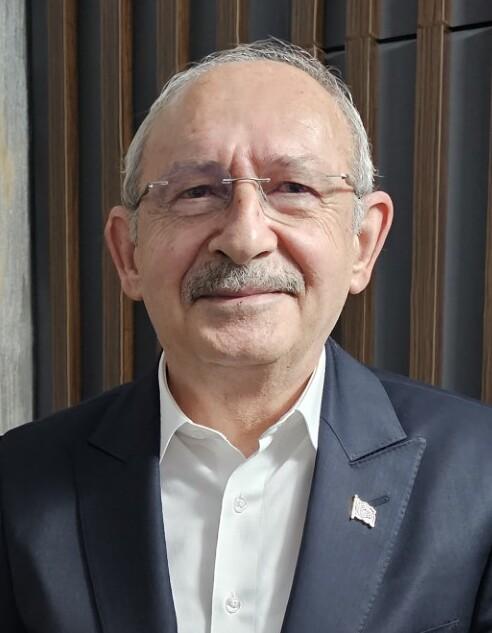
On 21 May 2026, an Ankara Appeals Court declared the congress legally invalid under the principle of mutlak butlan, or “absolute nullity”. It reversed an earlier lower-court decision that had found no substantive basis for the case and ordered Kılıçdaroğlu’s reinstatement.
The political and economic reaction was immediate. Özel’s allies called the judgment a “judicial coup”, protests were organised, and the Borsa İstanbul index fell by six per cent, triggering a circuit breaker. Government bonds also declined.
The AKP denied playing any role. Party spokesman Ömer Çelik said the dispute was an internal CHP matter and rejected accusations that the governing party had used the courts to determine the opposition’s leadership. The government has consistently maintained that Türkiye’s judiciary operates independently.
The pro-Kurdish DEM Party condemned the ruling as a “black stain” on Turkish democracy. Kılıçdaroğlu (pictured here in 2024), by contrast, urged calm and presented the judgment as an opportunity for the CHP to reunite rather than fracture.
“The day is not a day to hurt one another with cries of joy,” he wrote, arguing that personal ambitions should be set aside and that the party should resolve its problems through cooperation between its MPs, former leaders and local organisations.
Kılıçdaroğlu has also argued that the CHP must be cleansed of corruption, referring to investigations involving opposition-run municipalities. Özel’s supporters reject the allegations and say criminal cases and party-congress proceedings have been used collectively to dismantle an electorally successful opposition.
Why did Özel decide to leave?
For approximately two months after the judgment, Özel’s camp attempted to regain control of the CHP through internal party mechanisms and further legal appeals.
In June, 28 of the CHP’s 57 Party Assembly members resigned. Özel’s team argued that the collapse of the body’s quorum legally required an extraordinary congress within 45 days, at which the leadership could be put to another vote.
Kılıçdaroğlu’s administration did not immediately call the congress, saying the legal process concerning the annulment had not been finalised. It also sought disciplinary action against nine Özel loyalists.
For Özel and his supporters, this demonstrated that reclaiming the party quickly enough to prepare for a possible early election was becoming impossible. Although a higher court could still overturn the ruling, Özel has said politics cannot be placed on hold indefinitely while the appeal process continues.
Announcing his departure on 21 July, he said the opposition was facing “a sad farewell that has become inevitable” but carried “the hope of a new beginning”. His supporters argue that leaving was not a voluntary split but an attempt to preserve the political mandate produced by the 2023 congress and 2024 Local Elections.
His opponents respond that abandoning the CHP weakens a 103-year-old institution that survived military interventions, political bans and previous internal struggles. Some believe Özel should have continued fighting from within and warn that a new party built around one leader could reproduce the same internal weaknesses it claims to escape.
Is Yeni Parti really new?
Ideologically, Yeni Parti represents continuity more than reinvention.
Its initial 41-page programme is largely based on the policy platform and party rules developed by the CHP during Özel’s leadership. It retains the CHP’s social democratic and republican foundations, Atatürk’s principles, a commitment to secular and scientific education and strong support for public services and the welfare state.
The party advocates replacing Türkiye’s executive presidency with a parliamentary system based on a stronger legislature, separation of powers and an independent judiciary. It proposes reducing the presidency to a neutral, unifying and largely symbolic office.
Yeni Parti also promises equal citizenship, recognition of linguistic and religious diversity, legal recognition of cemevis as places of worship, implementation of European human rights judgments and Türkiye’s return to the İstanbul Convention on preventing violence against women.
Electorally, Özel is again promoting a “Türkiye alliance” intended to encompass social democrats, nationalists, conservatives, liberals, workers, pensioners, business owners and voters from different ethnic and religious backgrounds.
That breadth could become a strength, allowing Yeni Parti to compete for voters well beyond the CHP’s historic base. It could also become a weakness if the party tries to appeal to every section of society without establishing a distinctive identity.
Özel says his aim is no longer merely to break through the CHP’s traditional “25 per cent glass ceiling”, but to build a coalition capable of winning the 50 per cent plus one vote required for the presidency.
How many MPs have followed Özel?
The parliamentary transfer has been decisive.
Özel established Yeni Parti with 90 other MPs, giving it 91 seats in the Turkish Grand National Assembly. The CHP, which previously had 135 MPs, has been reduced to 44.
That leaves Yeni Parti as the second-largest party after the AKP, which has 277 MPs. It is followed by the DEM Party with 56, the Nationalist Movement Party with 46 and the CHP with 44. The party that led the opposition until a fortnight ago is therefore now only the fifth-largest group in parliament.
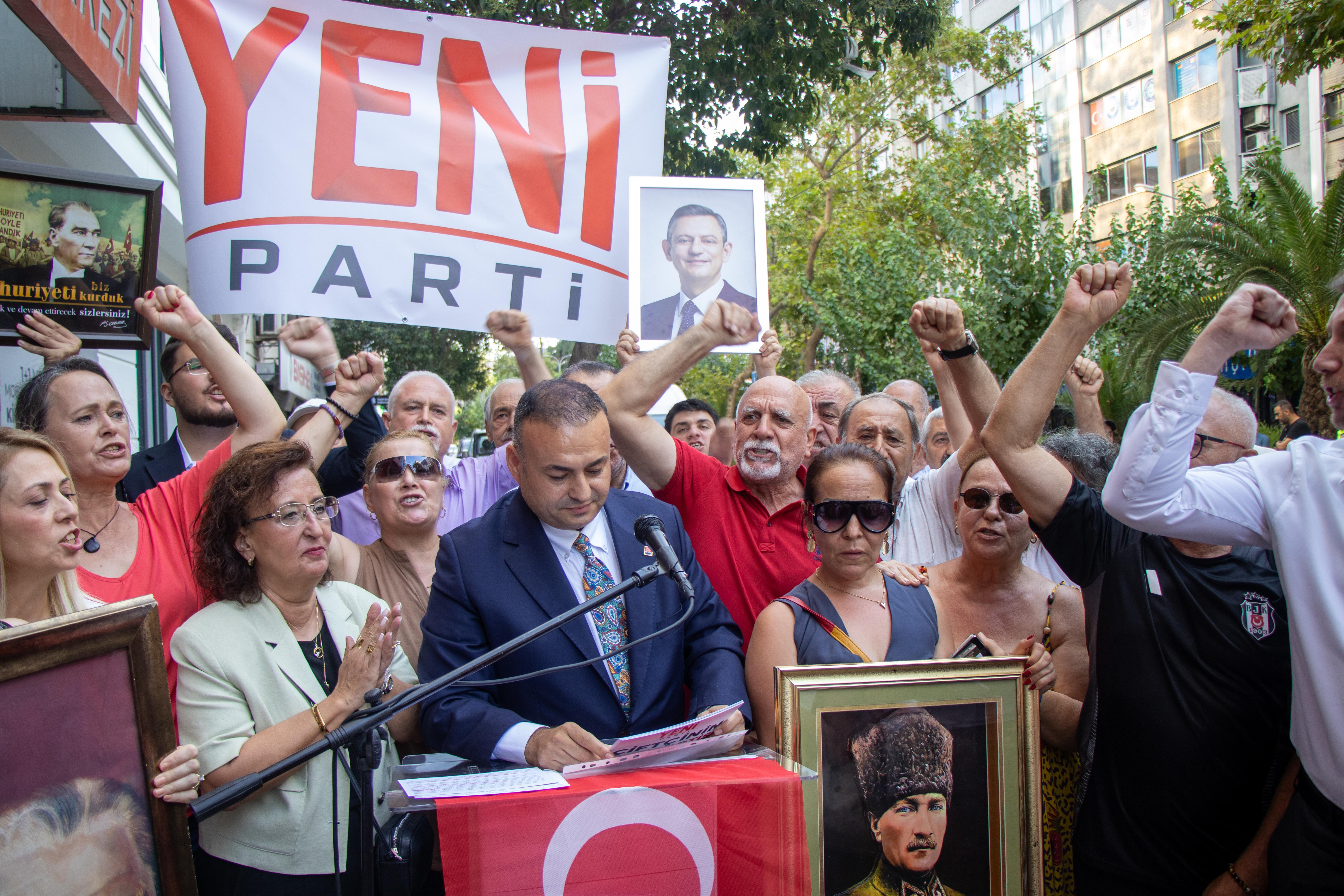
Izmir: CHP Konak District announce mass resignation and that they are joining Yeni Parti, 27 July 2026. Photo © Koray, CC BY-SA 4.0 via Wikimedia Commons
Özel was unanimously chosen as Yeni Parti’s leader, while Ali Mahir Başarır, Murat Emir and Gökhan Günaydın – all leading members of his former CHP team – became its parliamentary group deputy chairs.
The speed and scale of the transfer suggests this was not a conventional breakaway led by a small faction. Most of the CHP’s elected parliamentary representation has moved with Özel, allowing Yeni Parti to claim that it embodies the opposition mandate voters awarded in 2023.
Kılıçdaroğlu’s CHP still possesses substantial assets, however, including the historic name, logo, established headquarters, party funds and parts of a nationwide organisation developed over generations. Yeni Parti, despite its parliamentary strength, must establish district branches, register members and raise its own money. Because it did not contest the most recent general election, it is not currently entitled to regular Treasury funding.
What is happening in local government?
The municipal picture is more complicated and continues to change almost daily.
By 30 July, 203 mayors elected under the CHP banner had reportedly declared their intention to move to Yeni Parti. Not all had completed the formal process, and some transfers were being deliberately delayed where resignations by mayors or councillors could alter the balance of power in a municipal council and potentially allow another party to take control.
Confirmed prominent transfers include Manisa Metropolitan Mayor Besim Dutlulu and Denizli Metropolitan Mayor Bülent Nuri Çavuşoğlu. The mayors of Edirne and Zonguldak have also joined, while Denizli’s mayor moved alongside 14 district mayors. In Zonguldak, 16 municipal councillors resigned with Mayor Tahsin Erdem, leaving the CHP with only one of its former 17 council members.
Özel’s party has also received support from mayors and municipal politicians in Çankaya, Defne and numerous İzmir districts.
Former provincial and district organisations have defected in several parts of the country. These include the former Antalya provincial chairman and 19 district chairs, 12 district organisations in Yozgat and much of the CHP’s İstanbul provincial organisation under Özgür Çelik. Hundreds of former CHP MPs have separately announced support for Yeni Parti.
Yet the positions of Türkiye’s three most politically important opposition mayors remain distinct.
İmamoğlu has clearly endorsed the new movement. In a message issued from prison after its launch, he combined his famous İstanbul election slogan with Özel’s rallying call: “Everything will be great. Let’s get going, mates.” Yeni Parti continues to recognise him as its preferred presidential candidate, although his imprisonment and the cancellation of his university diploma create serious legal obstacles to his candidacy.
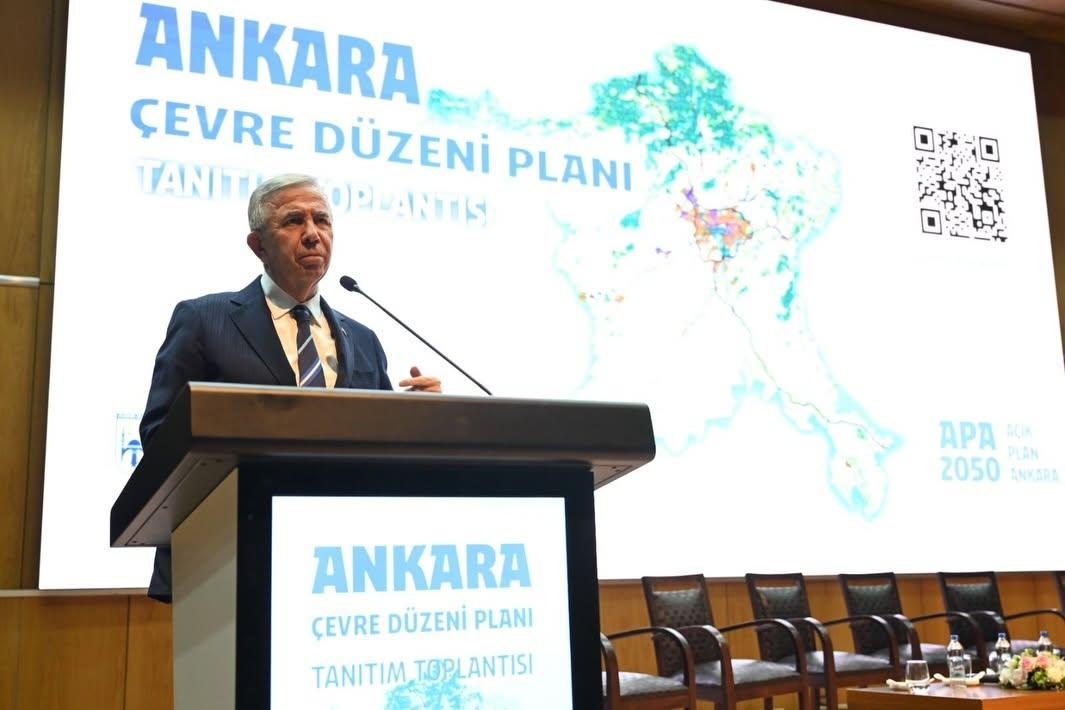
Ankara Mayor Mansur Yavaş (pictured above, speaking at an environment planning event for Ankara in Jan 2026) remains in the CHP. Özel has said he did not formally invite Yavaş to leave and warned supporters not to brand him a collaborator with the court-installed leadership. Yavaş remains a potential alternative presidential candidate and his eventual choice could significantly affect both parties’ credibility among nationalist and centre-right voters.
İzmir Metropolitan Mayor Cemil Tugay has resigned from the CHP but said he intends to remain independent for the time being rather than immediately join Yeni Parti. His stance underlines the uncertainty facing local politicians who may oppose Kılıçdaroğlu’s reinstatement but are not yet ready to commit themselves to Özel’s new organisation.
How have Türkiye’s other political leaders responded?
The AKP’s public position is that the crisis was created by the CHP’s own congress and legal disputes. Government representatives deny influencing the judgment and accuse Özel of attempting to turn an internal party problem into an attack on Türkiye’s political system.
That response is unlikely to persuade Özel’s supporters, who note that the ruling came amid investigations, arrests and dismissals involving numerous opposition-run municipalities. The opposition says the cumulative pressure amounts to an effort to neutralise the political network that defeated the AKP in 2024. The government says the cases concern genuine criminal allegations and that elected officials are not above the law.
MHP leader Devlet Bahçeli adopted a surprisingly conciliatory tone. While defending Kılıçdaroğlu’s right to pursue legal remedies, he said he did not wish to see Özel humiliated or made the target of the continuing CHP–Yeni Parti confrontation. Bahçeli has also suggested that legislation could be considered to give the new party access to public funding.
Among opposition voters, the response is divided. Supporters describe Yeni Parti as the only practical means of defending the leadership and policies endorsed by CHP delegates and subsequently rewarded by voters. Critics fear it will split the anti-Erdoğan vote, weaken local administrations and turn the opposition’s attention away from the cost of living, democratic reform and the release of imprisoned politicians.
An analysis of thousands of Turkish social media posts found a mixture of hope, anxiety and distrust. The main thrust of many of these posts were whether Yeni Parti represents necessary renewal or destructive division, whether it can appeal beyond the CHP electorate and what roles İmamoğlu and Yavaş will eventually play.
Renewal or a gift to Erdoğan?
In organisational terms, Özel begins from an unusually strong position for the founder of a new party. He already leads the largest opposition group in parliament, retains many of the CHP’s most recognisable MPs and has attracted large numbers of mayors and local officials.
He also has a recent record of electoral success and a simple political narrative: the opposition leadership that beat the AKP was removed by a court, so it has established a new vehicle through which voters can restore it.
Yet parliamentary numbers and municipal declarations do not automatically translate into votes. Yeni Parti must build local branches, finance an election campaign, develop candidate-selection procedures and convince voters to back it.
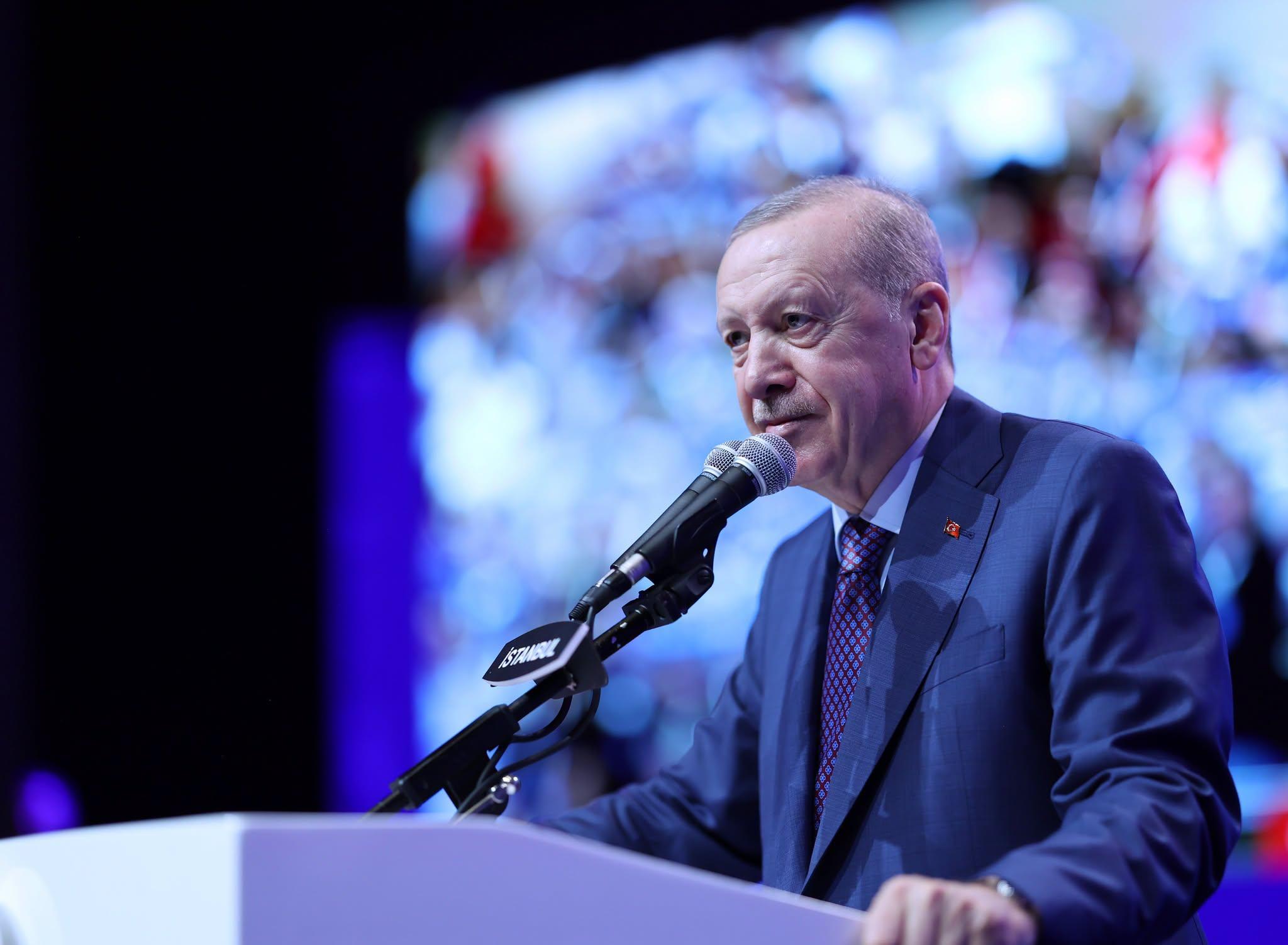
Turkish President Recep Tayyip Erdoğan addressing an AK Party Istanbul Extended Provincial Consultative Assembly Meeting, 01 August 2026. Photo © Recep Tayyip Erdoğan / Facebook
The split will no doubt also create damaging competition over activists, donations, council groups and presidential candidates. If both parties contest the same electorate aggressively, Erdoğan and the AKP could benefit without increasing their own support.
Pollster Murat Gezici told Reuters that the political arithmetic would favour Erdoğan in the short and medium term unless Yeni Parti generated a powerful response from society and established itself as the undisputed centre of opposition politics.
The alternative scenario is that the split largely resolves itself through voter behaviour: Yeni Parti absorbs most former CHP supporters, while Kılıçdaroğlu’s organisation retains the historic brand but becomes electorally marginal. The scale of the parliamentary and municipal exodus suggests that possibility cannot be dismissed.
However, Kılıçdaroğlu has survived predictions of political irrelevance before. His supporters may hope that court proceedings uncover evidence that discredits Özel and his team, or that public concern about division encourages voters and officials to return to the trusted name of CHP.
Where does this leave the opposition?
Türkiye’s next presidential and parliamentary elections are scheduled for 14 May 2028, although an earlier election remains possible. Parliament would need 360 votes to bring the ballot forward, meaning Erdoğan’s governing alliance would require support from outside its own ranks.
The next regular local elections are due in 2029 – five years after the last vote in March 2024.
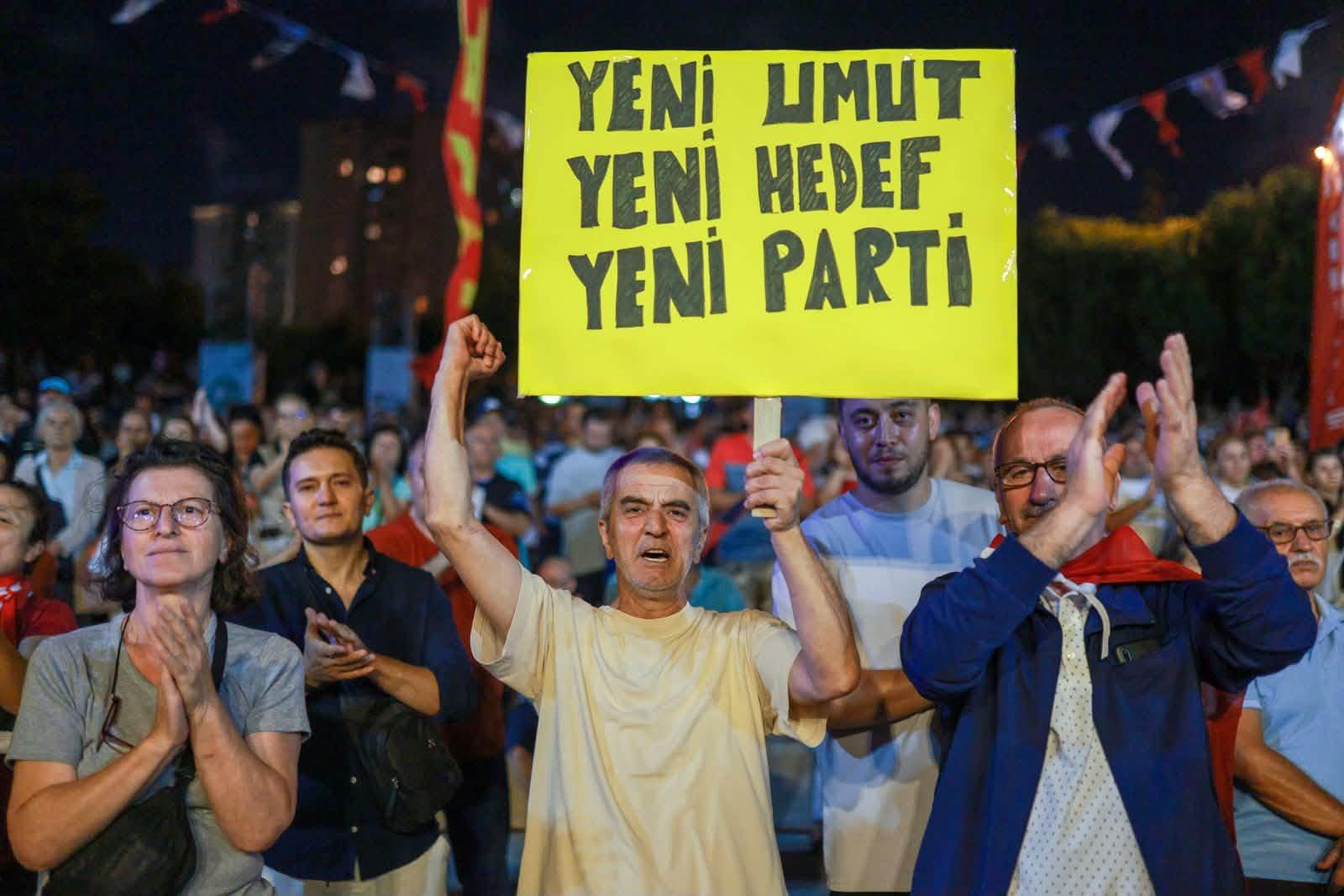
Yeni Parti banner displayed at a big rally in Beylikdüzü, 01 August 2026. Photo © Özgür Özel / Facebook
Yeni Parti must turn the extraordinary momentum of its launch into a durable nationwide organisation and decide how to handle the legal uncertainty surrounding İmamoğlu. It must also keep Yavaş and other opposition figures within a workable electoral coalition, whether or not they formally join the party.
The CHP must show that it remains capable of winning voters rather than merely retaining a famous name, historic headquarters and party assets. Kılıçdaroğlu will need to persuade members that his return represents institutional legitimacy and ethical renewal, not a reversal of the change demanded after the 2023 defeat.
Above all, the two sides must determine whether they remain political partners against Erdoğan or have become permanent rivals.
Özel’s departure may ultimately rescue the opposition movement that won the 2024 local elections from a paralysing legal and organisational struggle. Equally, it may divide the only political force to have defeated the AKP nationally in more than two decades.
Can Yeni Parti inherit the broad coalition that propelled the CHP to victory, or will it find that MPs and mayors are easier to transfer than millions of voters?
Can Kılıçdaroğlu rebuild the CHP after losing most of its parliamentary group and local campaigning network? And, if the two parties cannot cooperate, will Türkiye’s opposition be sufficiently united to challenge Erdoğan in 2028 – and defend its municipal gains a year later?
Developments in the coming months will undoubtedly illuminate the answers to many of these pressing questions.
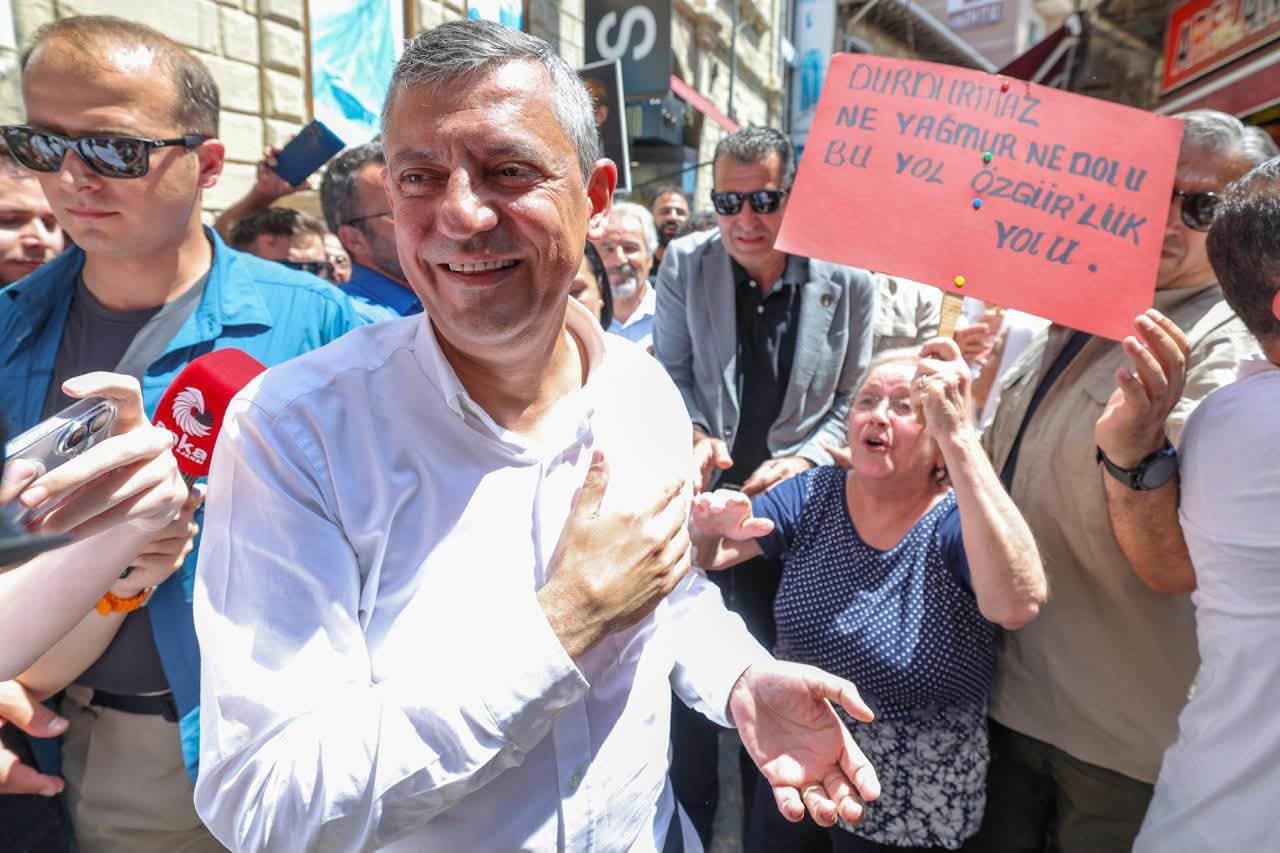
Main photo, top, of Yeni Parti leader Özgür Özel welcomed by people in Kastamonu as lady holds up banner that reads "Neither rain nor hail can stop it; this road is the road to freedom".03 July 2026. Photo © Özgür Özel / Facebook.