

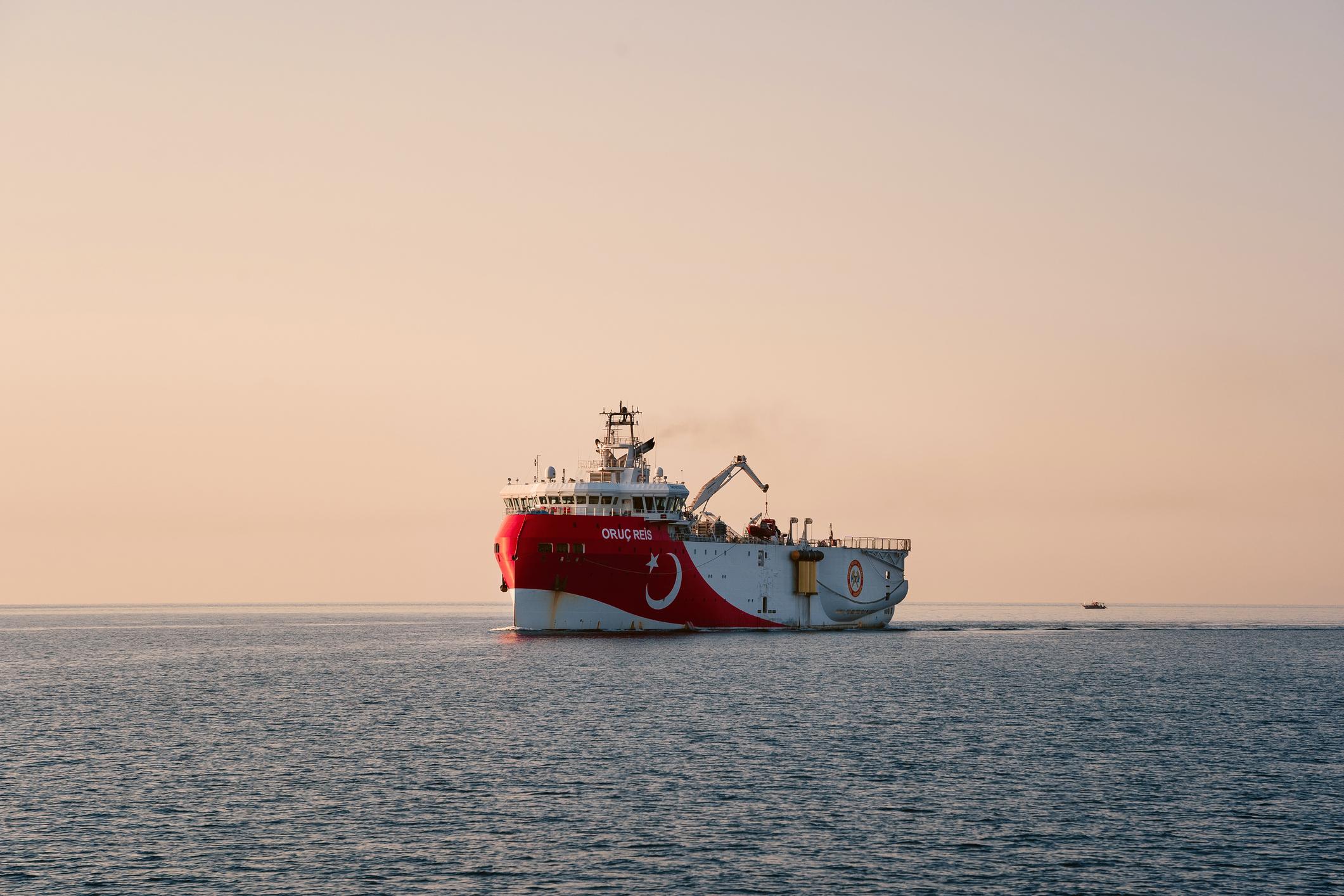
Türkiye’s research vessel Oruç Reis has reached waters off Girne to survey the route of a planned 101 km natural gas connection with the Turkish Republic of Northern Cyprus (TRNC), advancing a project intended to strengthen electricity supplies and potentially open a new export route for Eastern Mediterranean gas.
Azernews reported on 10 October that the vessel had arrived off the northern coast to undertake seabed surveys. Hürriyet Daily News reported that the current survey programme runs until 25 October, with engineering studies expected to be completed by the end of 2026.
The work follows a memorandum of understanding signed on 10 July by Türkiye’s Vice-President Cevdet Yılmaz and TRNC Prime Minister Ünal Üstel. Türkiye had already issued a NAVTEX maritime notice in July for surveys along the proposed route through to 30 August.
The planned connection will run from Anamur in Türkiye’s Mersin province to Teknecik, east of Girne, where the TRNC’s main power station is located. Its envisaged that two 22-inch pipelines will run along a 101 km route, with 97 km beneath the Mediterranean and four kilometres on land.
Türkiye’s Energy and Natural Resources Minister Alparslan Bayraktar has set a target of bringing the project into operation during 2028. The present work concerns surveying and engineering ahead of construction.
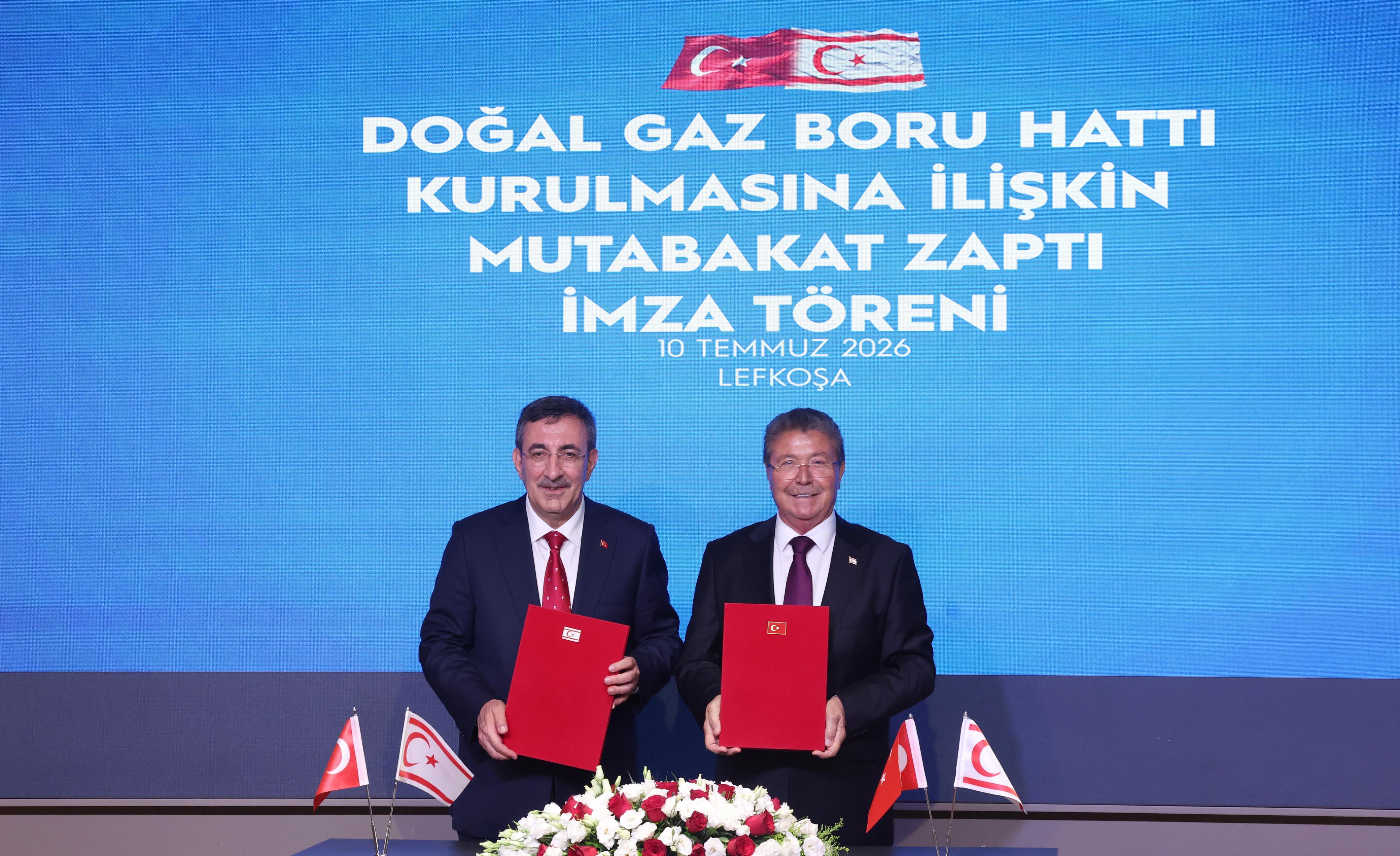
Türkiye’s Vice-President Cevdet Yılmaz & TRNC Prime Minister Ünal Üstel pose after signing a gas pipeline agreement, 10 July 2026
A new fuel source for electricity generation
The immediate objective is to supply natural gas from Türkiye for electricity generation in the TRNC, reducing reliance on imported petroleum products and helping meet rising demand.
Bayraktar said in May that the plans include converting existing liquid-fuel power plants to natural gas, with the aim of improving supply security and reducing the adverse environmental impact of generation.
For households and businesses in North Cyprus, which have for years been plagued by power cuts, the new pipeline would offer more a dependable electricity supply and lower generation costs. Turkish officials also see the project as supporting growing electricity use across tourism, agriculture and transport, including the shift towards electric vehicles.
Speaking at the July signing with the TRNC, the Turkish Energy and Natural Resources Minister said the project “will establish uninterrupted electricity supply and further strengthen strategic cooperation between our countries.”
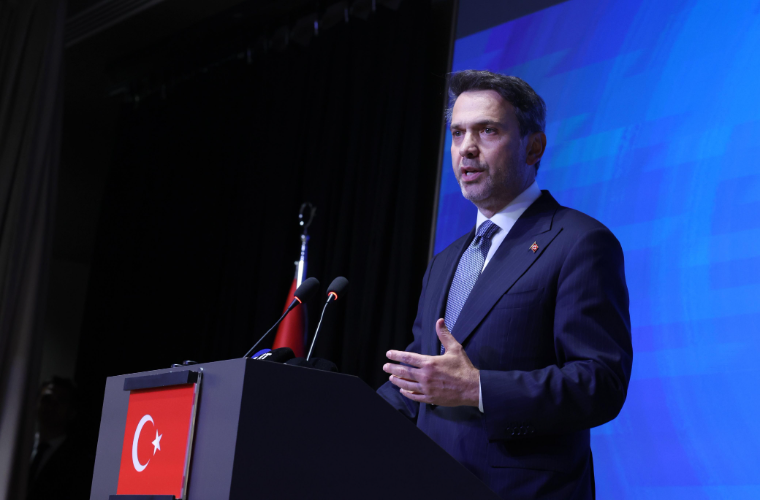
Türkiye’s Energy and Natural Resources Minister Alparslan Bayraktar, 10 July 2026
The scheme builds on a longer history of infrastructure cooperation. Türkiye began supplying the TRNC with water through an 80 km undersea crossing in 2015. A broader energy cooperation agreement followed in 2016, covering electricity infrastructure, a proposed subsea electricity connection, renewable energy and joint work on oil and gas resources.
Potential route for regional gas exports
The gas system is being designed to operate in both directions: supplying the TRNC from Türkiye initially, while allowing gas from future discoveries around Cyprus or elsewhere in the region to flow towards Türkiye and onward to Europe.
That export ambition could give the connection significance well beyond the TRNC’s domestic energy needs.
Julian Bowden, a senior visiting research fellow at the Oxford Institute for Energy Studies, told Anadolu Agency in July that the two pipelines’ capacity would exceed the TRNC’s potential gas demand. He said a connection with Türkiye could expand regional export options and support Ankara’s ambition to become a gas trading hub.
However, Bowden questioned whether the project could be delivered before 2030, given the planning, construction and commercial negotiations involved. Energy specialist Sohbet Karbuz also told Anadolu that the unresolved Cyprus dispute remained a central obstacle to a wider regional gas corridor.
Greek Cypriot objections
The Greek Cypriot administration has challenged the project. According to the Cyprus News Agency, Foreign Minister Constantinos Kombos raised the memorandum with his EU counterparts at the Foreign Affairs Council on Monday, 12 October.
Kombos described the agreement as illegal and argued that the proposed undersea pipeline constituted a flagrant violation of international law and the Republic of Cyprus’s sovereign rights. His intervention brings the project into the wider diplomatic dispute over authority and energy development around the divided island.
Main image, top, stock image of Oruç Reis, off the coast of Antalya, Oct. 2020. Photo © mrtekmekci / iStock