
The Republic of Cyprus was established in 1960 by Greek Cypriots and Turkish Cypriots, with each community sharing equal and indivisible sovereignty of the island. It was a partnership state that placed both communities on an equal political footing irrespective of their numerical sizes.
The Greek Cypriots violently overthrew that partnership in December 1963 and then invoked the Doctrine of Necessity to assert themselves as the sole authority of the island.
More than sixty years has passed and still the Greek Cypriot side relies on these emergency powers to maintain its legal and political grip over the Republic of Cyprus. To the world they say the country remains a bi-communal state, despite locking out Turkish Cypriots from government since 1964.
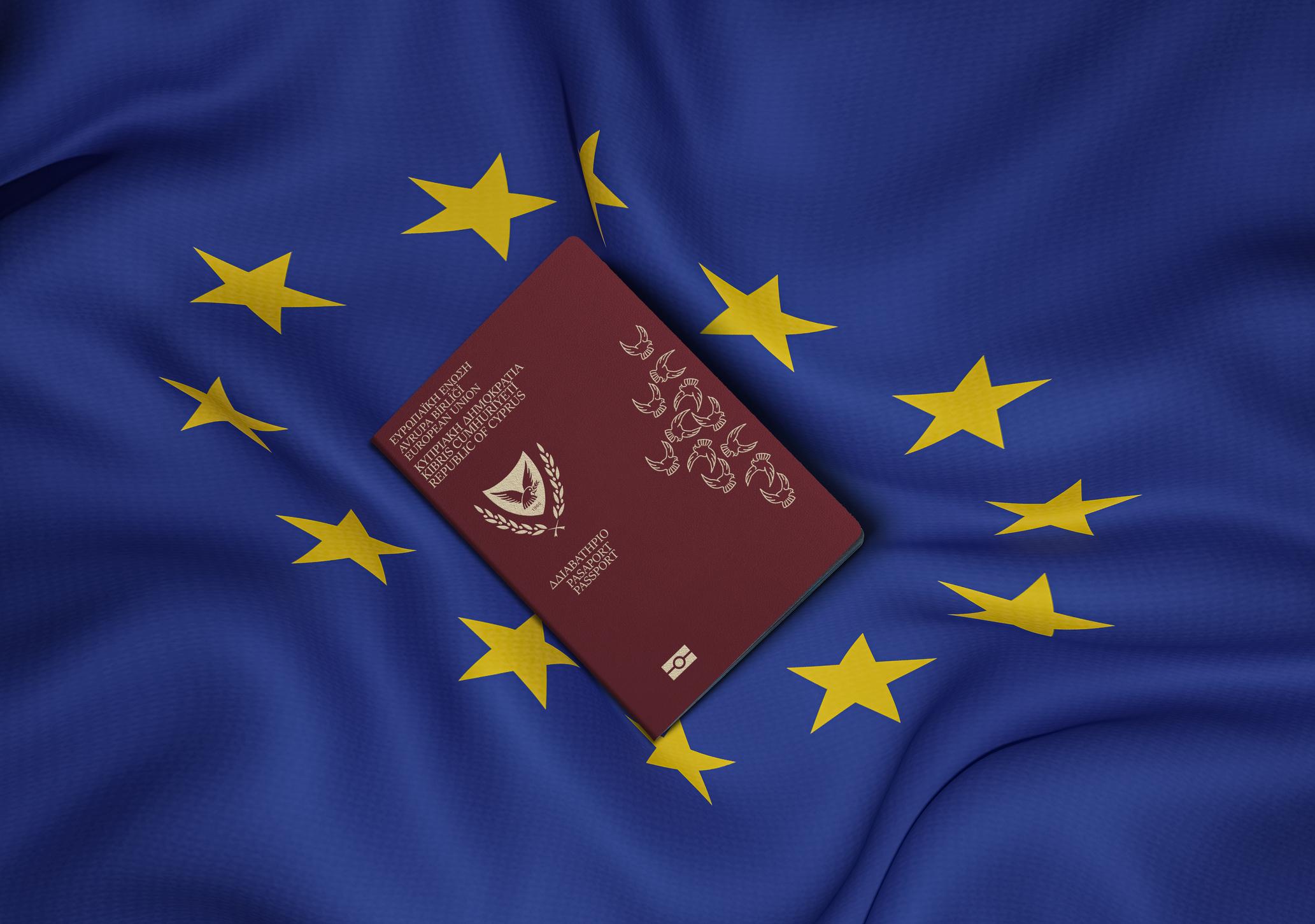
That is why the Republic of Cyprus passports, its currency (before moving to the Euro) and its state buildings all show writing in both Greek and Turkish. The country’s official languages are those spoken by its two sovereign communities. At least in theory.
By claiming to act for all of Cyprus, the Greek Cypriots have used their elevated status to demand that the world does not recognise the territory that Turkish Cypriots now call ‘home’. This, despite being the cause of over a quarter of all Turkish Cypriots being displaced from their homes and villages in 1964, whilst blatantly stealing their inherent political rights.
For Greek Cypriots, the Turkish Republic of Northern Cyprus is not a ‘breakaway’ state, but an “illegally occupied territory.” They assert that the Cyprus Problem can be easily solved by the Turkish Cypriots simply agreeing to “return to the legitimate state” – but this time as a minority, not co-sovereigns, essentially accepting what they have resisted since 1964, that the island is now a wholly Greek Cypriot administered state.
Yet the very legitimacy that the Greek Cypriots derive from the Republic of Cyprus is also the source of rights for Turkish Cypriots. The current custodians of the Cypriot Republic cannot, therefore, brag about ‘granting’ citizenship to Turkish Cypriots. It is, by their own definition, a fundamental and inalienable right of Turkish Cypriots to claim citizenship of the Republic of Cyprus.
‘Granting citizenship’ is the official act by which a sovereign country formally bestows on an individual who was not a citizen of that country at birth. A person can acquire national citizenship by:
- Naturalisation: this is the typical process for a foreign born national who applies and meets the criteria.
- Decree or Executive Order: when citizenship is awarded to someone who the leadership decides warrants special consideration presumes, such as a brilliant athlete, scientist or artist.
- Legislation, where a government passes specific laws to grant citizenship to certain people when certain conditions are met. An example of this was the ‘Cyprus Golden Passports’ scheme, where those investing a minimum of €300,000 in property or a business in Cyprus were granted citizenship.
In other words, it’s the act of giving citizenship to someone who wouldn’t otherwise be able to naturally claim it as a birthright.
Those bragging that the Republic of Cyprus ‘granted’ citizenship to Turkish Cypriots need to ask how their two stories stand up to scrutiny.
If the Greek Cypriot administration does indeed represent all Cypriots, why do they feel the need to ‘grant’ citizenship to members of their own country? And why is this news when they happen to be Turkish Cypriots? Will they similarly report how many Greek Cypriots were ‘granted’ citizenship in the past two years?
If Turkish Cypriots are no longer automatic citizens of the Republic of Cyprus, it would surely strengthen the argument to recognise the Turkish Republic of Northern Cyprus as a sovereign state that has been created by Turkish Cypriots exercising their self-determination rights having been shut out of the Republic of Cyprus.
Naturally, Greek Cypriots resist this logical line of reasoning, insisting they do represent all of Cyprus and Turkish Cypriots are their countrymen.
In publicly showing off about Turkish Cypriots claiming Republic of Cyprus citizenship (which, in most cases, we know to be an easy workaround for the injustice of the embargoes those in North Cyprus face), the Greek Cypriot leadership hoped to score points for their benevolent act, whilst also demonstrating how strictly they control citizenship.
Instead, this announcement has raised questions about who the Republic really represents, whilst exposing the inconsistencies and hypocrisy of the Greek Cypriot side.
Like much else in Cyprus, Greek Cypriots want to have their Halloumi/Hellim and eat it!
Taskin Ismet is the chair of Turkish Cypriot human rights group Embargoed!, which campaigns for the immediate and unconditional ending of the international isolation of Turkish Cypriots and their North Cyprus homeland.