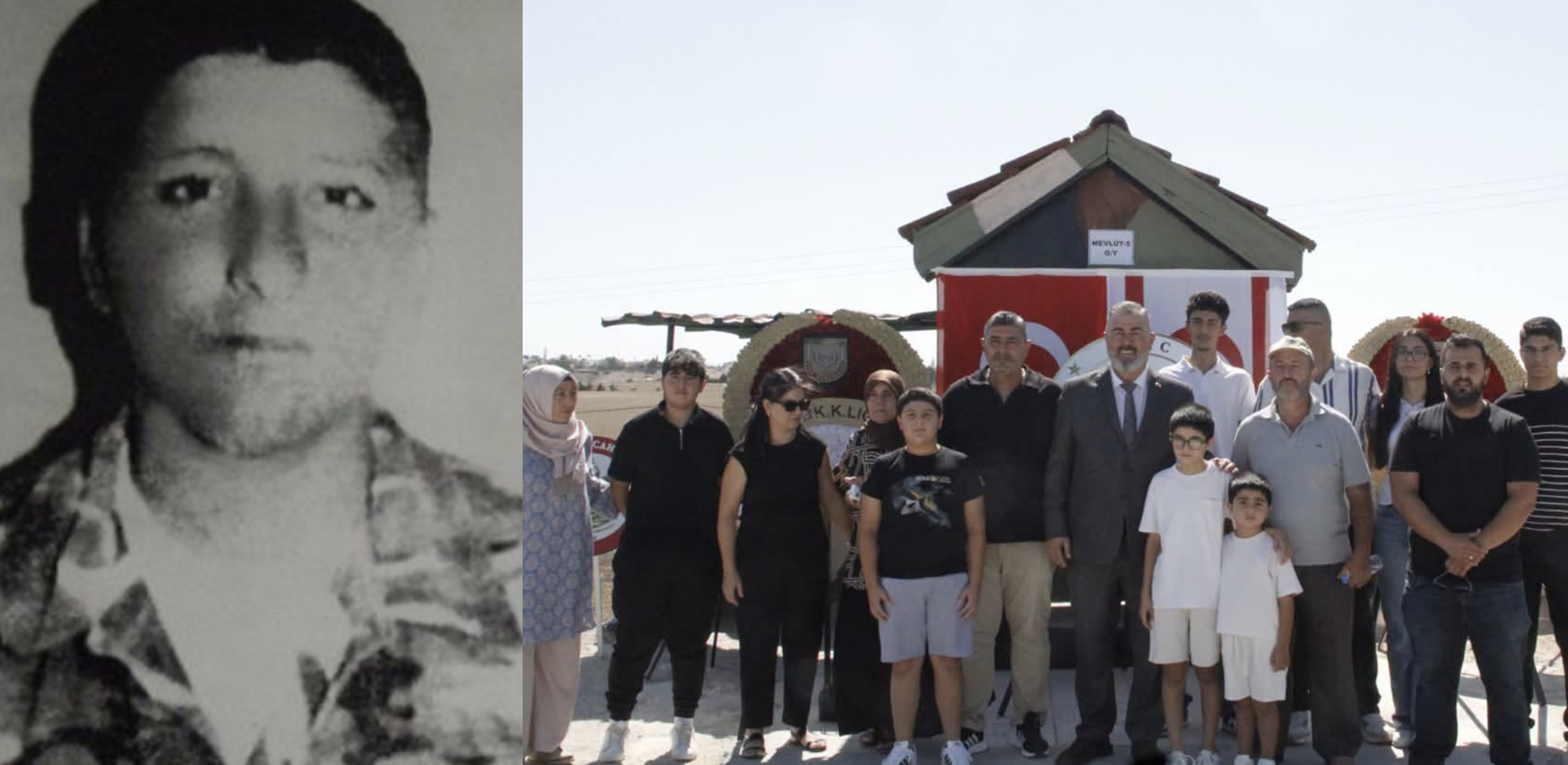
Thirty years ago today, a 20-year-old soldier serving in the Turkish Cypriot Security Forces was shot dead while standing guard close to Cyprus’ Green Line.
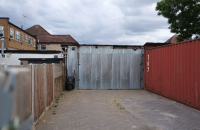
Private Allahverdi Kılıç was killed in the early hours of 8 September 1996 at a sentry post in Güvercinlik, near the British Sovereign Base Area of Dhekelia. His fellow serviceman Burhan Cihangir was also shot and seriously wounded in the attack.
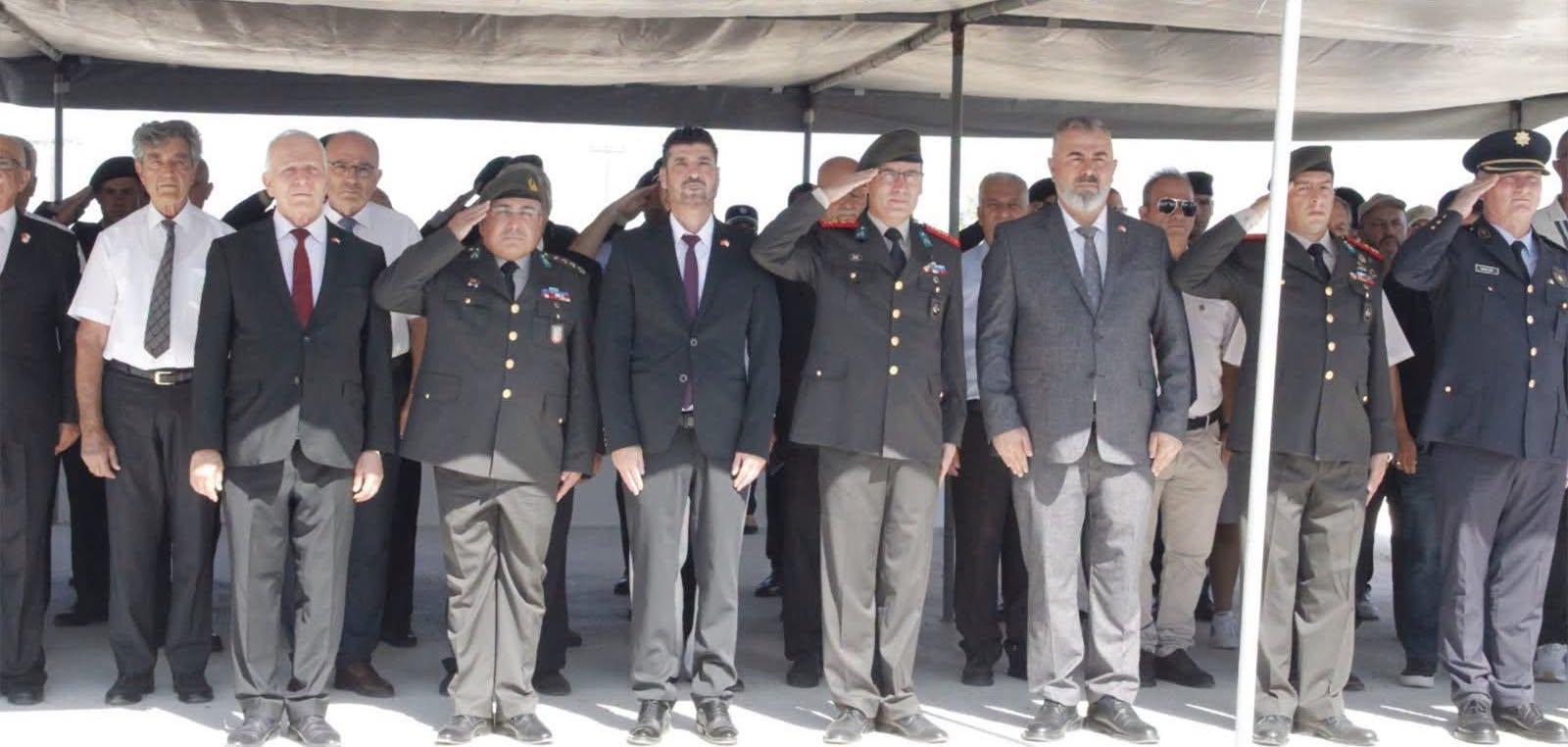
On Tuesday morning, exactly three decades after his death, Kılıç was remembered at the same guard post where he lost his life, with wreaths laid followed by a minute’s silence, the Turkish national anthem, speeches and prayers.
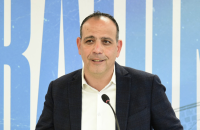
The ceremony included addresses by the head of the Association of Martyrs’ Families and Disabled War Veterans, Gürsel Benan, First Lieutenant Emin Aktaş of the 4th Infantry Regiment, and former TRNC Parliamentary Speaker and current UBP MP Zorlu Töre.
Benan described Kılıç and other fallen servicemen as a sacred legacy that Turkish Cypriots had a duty to protect, while Töre said safeguarding what those killed defending the Turkish Cypriot community had left behind was a “duty to the homeland”.
First Lieutenant Aktaş also gave the Turkish Cypriot military’s account of the attack, stating that Kılıç and Cihangir were on night duty when Greek Cypriot assailants approached their position through the British Base area before opening fire with automatic weapons.
The precise identity of those responsible has never been established. Contemporary Reuters reporting said it was not immediately clear who fired on the sentry post. Turkish Cypriot authorities blamed Greek Cypriot soldiers, while the Greek Cypriot authorities denied that their forces were involved. Diplomats at the time speculated that the attack may have been linked to two highly controversial Greek Cypriot deaths at the border the previous month, although there was no evidence then proving such a connection.
A young life cut short
Kılıç had spent virtually his entire life in Cyprus. Born in Türkiye, he was just 40 days old when his family moved to North Cyprus in 1976. He grew up on the island and had secured a university place, but chose to put his studies on hold so he could first complete his military service.
Beyarmudu Municipality, which administers the Güvercinlik area, described his death in its 30th anniversary tribute as an anguish which had never disappeared despite the passing of three decades.
“Years have changed, generations have grown,” the municipality said, but Kılıç’s memory at the sentry post and the pain carried by his family remain.
Its message ended simply: “We have not forgotten. We will not forget.”
Three deaths that still divide Cyprus
Kılıç’s killing came at the end of one of the most violent periods along Cyprus’ ceasefire lines since the island was divided in 1974.
Less than a month earlier, on 11 August 1996, 24-year-old Greek Cypriot Tassos Isaac was beaten to death during serious clashes in the UN Buffer Zone near Derinya following a protest against the division of Cyprus.
Three days later, after Isaac’s funeral, his cousin Solomos Solomou, 26, was shot dead while attempting to climb a flagpole near a Turkish position and remove the Turkish flag.
In 2008, the European Court of Human Rights ruled against Türkiye in cases brought by the two men’s families. In Isaac’s case, the court found evidence that uniformed Turkish Cypriot police officers had participated in the fatal beating. In Solomou’s case, it concluded that he had been deliberately fired upon from the Turkish-controlled side and that the use of lethal force against him was unjustified.
Their deaths remain deeply mourned in South Cyprus, where Isaac and Solomou have become potent symbols of the Greek Cypriot struggle against the island’s division.
The Turkish Cypriot narrative of those turbulent weeks is markedly different. The demonstrations are remembered in the north as dangerous breaches of the UN Buffer Zone and ceasefire lines, accompanied by attempts to enter Turkish-controlled territory and attacks on Turkish positions. Kılıç’s killing weeks later has consequently become an equally powerful symbol for Turkish Cypriots of the threats faced by their community and its young servicemen.
Thirty years on, the commemorations on each side demonstrate how the same bloody summer continues to be remembered through very different national experiences.
For Turkish Cypriots, there is also a lingering sense that Kılıç has never received the same international recognition as the two Greek Cypriots who died before him. His killers were never brought to justice and, beyond the north, his name and story remain comparatively little known.
“No one’s child should die”
Perhaps the most poignant perspective, however, came from Allahverdi’s own family.
Speaking to journalist Erçin Şahmaran in 2013, his elder brother Yaşar Kılıç described the devastating impact the murder had on their parents and family, but resisted turning that grief into hatred.
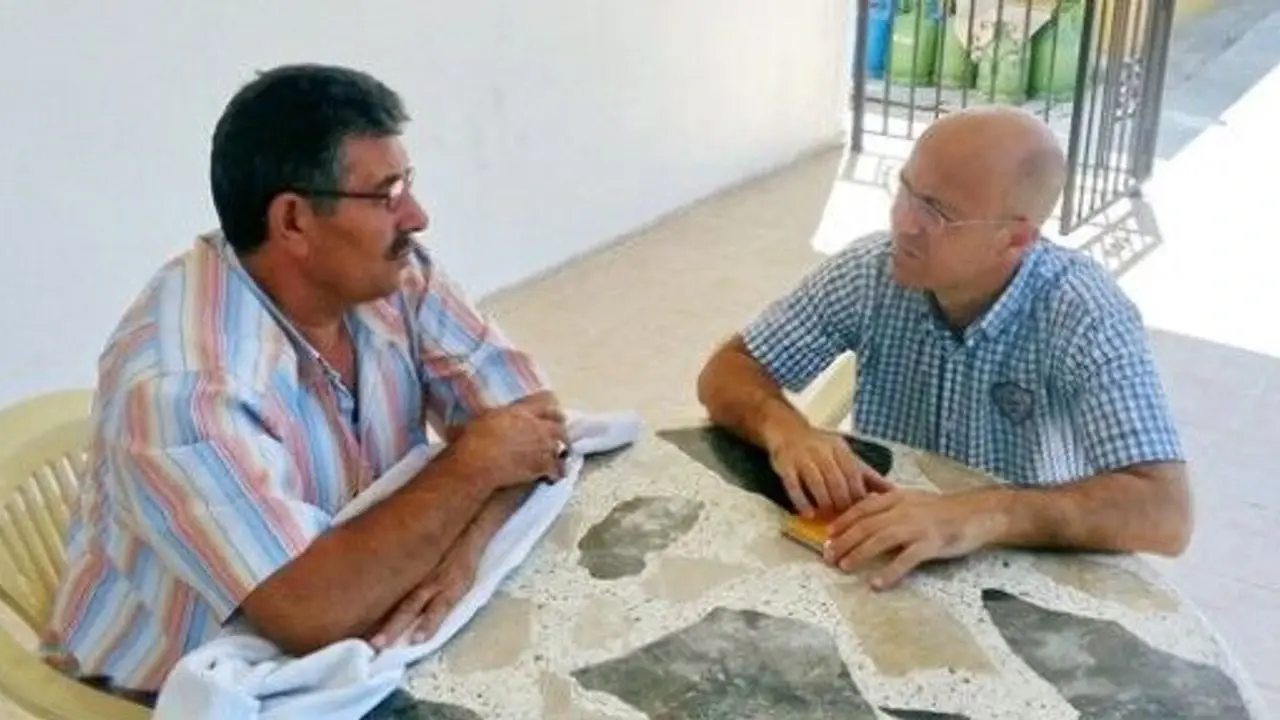
Yaşar Kılıç (left) talks to journalist Erçin Şahmaran about death of his brother Allahverdi, 2013
He acknowledged that Greek Cypriot families suffered the same anguish when they lost their own children and relatives, saying: “No one should die. No one should feel this pain.”
He also asked a question that remains painfully relevant three decades later: “Why can’t we live together as decent human beings?”
Today in Güvercinlik, however, the focus was firmly on the young soldier whose life ended there on 8 September 1996.
Thirty years later, Private Allahverdi Kılıç remains one of North Cyprus’ remembered martyrs — a son, brother and young man whose life and future were abruptly cut short while he was serving on the island’s divided frontier.