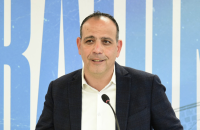


The pair say they were punished for their outspoken criticism of Israel, while supporters of the decision accuse them of promoting antisemitic ideas and extremist rhetoric. The controversy has divided Jewish organisations, politicians and free-speech campaigners.
Two of America’s best-known Turkish-origin political broadcasters, Hasan Piker and his uncle Cenk Uygur, were prevented from travelling to Britain in June after the UK government cancelled their electronic travel authorisations.
The pair had been due to appear at several events, including the inaugural South by Southwest London festival and a joint event at the Oxford Union. Instead, they were informed shortly before travelling that their Electronic Travel Authorisations, or ETAs, were no longer valid.
Piker and Uygur claimed the decision was politically motivated and connected to their fierce criticism of Israel and its military operations in Gaza. Jewish communal organisations that had raised concerns about their proposed appearances, however, welcomed the intervention, arguing that some of the broadcasters’ previous statements had crossed the line from criticism of Israel into antisemitism, denial of atrocities and support for extremist organisations.
The dispute has since become part of a wider debate about whether Britain was acting legitimately to protect public order or using immigration powers to exclude foreign speakers because of controversial political opinions.
What was the Home Office’s official reason?
The Home Office confirmed that both men’s ETAs had been cancelled because their presence in Britain was considered potentially “not conducive to the public good”.
A government spokesperson said decisions were made solely on an assessment of the possible risk an individual posed to UK society. The Home Office did not, however, publicly release detailed evidence explaining how either Piker or Uygur was thought likely to create such a risk.
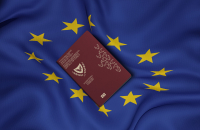
An ETA is not technically a visa. It is the digital permission normally required by visitors from visa-exempt countries, including the United States, before travelling to Britain.
There is no administrative review or appeal against the cancellation of an ETA, although an affected traveller can make a fresh immigration application.
Although the Home Office’s public statement did not mention Israel or antisemitism, British media reported that officials had been concerned the men’s appearances could heighten community tensions and contribute to antisemitism.
What had Piker and Uygur said?
Uygur said the authorities had classified him as a serious risk to public order and had treated as antisemitic his assertion that support for Israel exercised enormous influence over the US Congress through political donations.
He has repeatedly argued that American politicians are prevented from challenging Israel because of lobbying and campaign funding. Critics say his language invokes a longstanding antisemitic conspiracy theory portraying Jews or Israel as secretly controlling governments.
Uygur has also used highly inflammatory comparisons when discussing Israel’s actions, including accusing the country of following “Nazi logic”. He maintains that his criticism is directed at the Israeli government and its supporters, rather than Jewish people.
Piker, meanwhile, has attracted criticism over a number of remarks made during his lengthy livestreams and podcast appearances.
He previously referred to some Orthodox Jewish communities as “inbreds”, a comment for which he later apologised. He has also been condemned for describing accounts of sexual violence during the Hamas-led attacks on Israel on 7 October 2023 as “rape fantasies” or “rape hallucinations”.
During a 2026 appearance on the American podcast Pod Save America, Piker said Hamas was “a thousand times better than Israel” and that he would choose Hamas over Israel. Supporters argue that the remarks were made within a broader comparison of the conduct of Hamas and the Israeli state, while critics regarded them as apparent support for a proscribed terrorist organisation.
Piker also remains widely associated with a 2019 livestream in which he said “America deserved 9/11” while condemning US foreign policy. He subsequently described the wording as inappropriate and apologised.
He denies being antisemitic and has said that antisemitism is historically a warning sign of fascism because Jewish people are often among the first minorities to be scapegoated. He argues that his hostility towards Zionism and the Israeli government is being deliberately misrepresented as hostility towards Jews.
Jewish organisations welcome the decision
The Jewish Leadership Council had called on the government to prevent Piker from entering Britain, accusing him of promoting “7 October denialism” and expressing apparent support for terrorist groups.
It argued that, at a time when British Jews were experiencing increased threats and hostility, allowing such rhetoric to be presented at prestigious public events would be dangerous and contrary to the public good.
The Community Security Trust, a charity that monitors antisemitism and provides security assistance to Jewish communities, also expressed concern about what it described as Piker’s record of using antisemitic themes, denying documented atrocities and appearing to support extremist groups.
Both organisations stressed that criticism of Israel was legitimate but maintained that Piker’s rhetoric had gone substantially further.
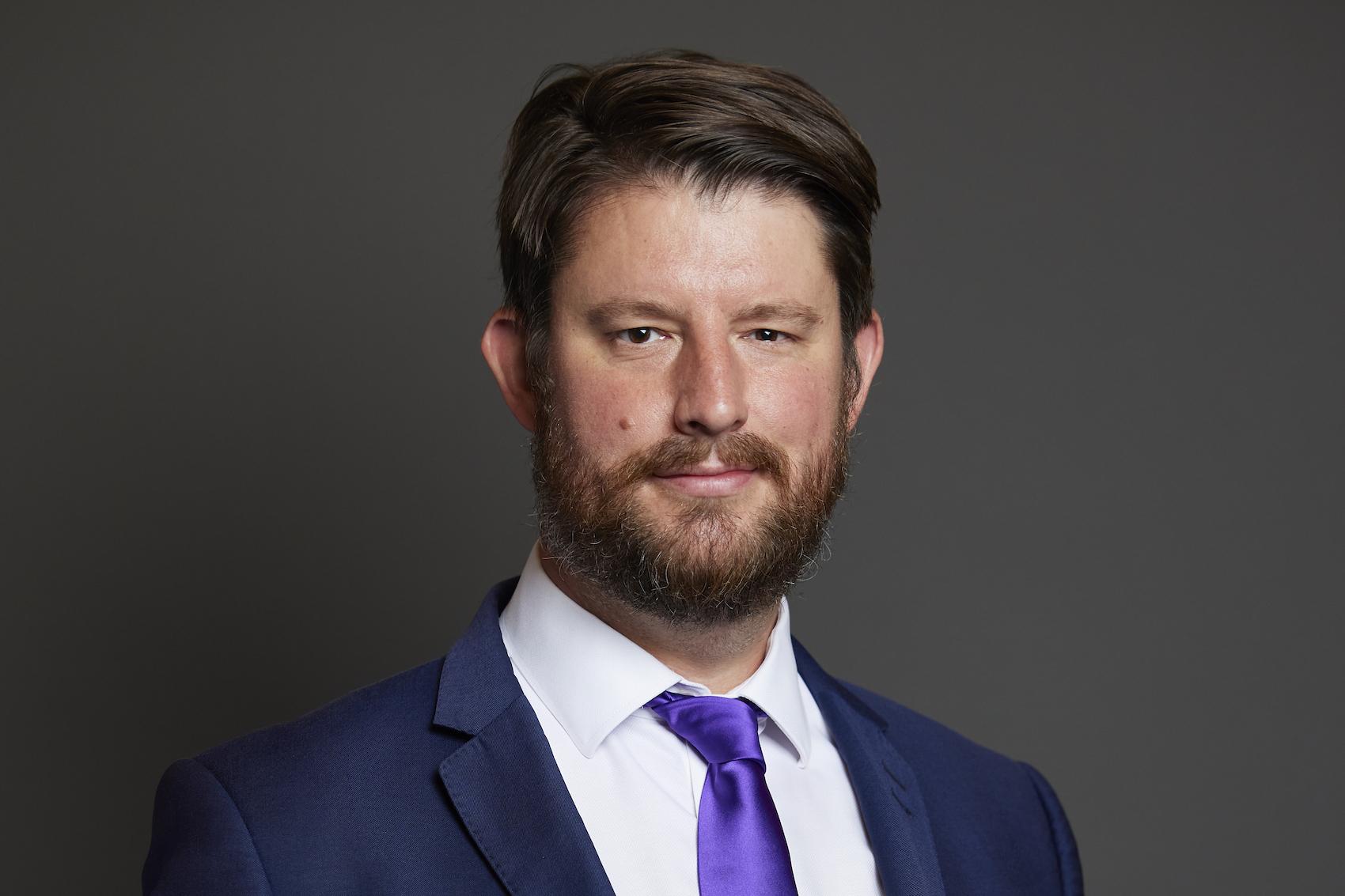
Hemel Hempstead MP David Taylor, 2024. Official portrait, photo © House of Commons/Laurie Noble
Labour MP David Taylor, who had publicly urged ministers to act, thanked the Home Secretary following the cancellation. He said Britain had no obligation to admit foreign visitors who spread hatred or division, particularly those who appeared to support a banned terrorist organisation.
The decision was not, however, universally welcomed by Jewish campaigners.
The group Our Fight: For Israel, Against Anti-Semitism described the ban as ill-advised and counterproductive. It argued that excluding Piker and Uygur risked turning them into free-speech martyrs, reinforcing conspiracy theories about Israel silencing its critics and making genuine antisemitism more difficult to confront.
Piker and Uygur accuse Britain of censorship
Uygur reacted angrily, writing that he had been “banned for criticising Israel” and describing the decision as the oppression of Western citizens by their own governments on behalf of another country.
In a subsequent interview, he described the experience as a “gut punch” and “Kafkaesque”. Uygur said he had consistently advocated non-violent political change and questioned how taking part in public discussions could make him a serious threat to order in Britain.
Piker similarly alleged that his travel authorisation had been revoked “at the behest of Israel”. He accused Western governments of abandoning their professed liberal values to protect the Israeli government from criticism.
Speaking to Democracy Now!, Piker called the decision “objectionable”, “disgusting” and “terrifying”, claiming it reflected a wider authoritarian or “fascist” direction in Western politics.
Neither man accepted that the exclusion was a proportionate response to concerns about antisemitism or extremism.
Free-speech organisations raise concerns
Several prominent free-expression campaigners criticised the government’s lack of transparency and warned against using immigration rules as a political screening mechanism.
Jemimah Steinfeld, chief executive of Index on Censorship, described the decision as a “worrying escalation”. She argued that excluding speakers on the basis of their opinions risked turning entry to Britain into a government “taste-test” and was especially ineffective when their content remained freely available online.
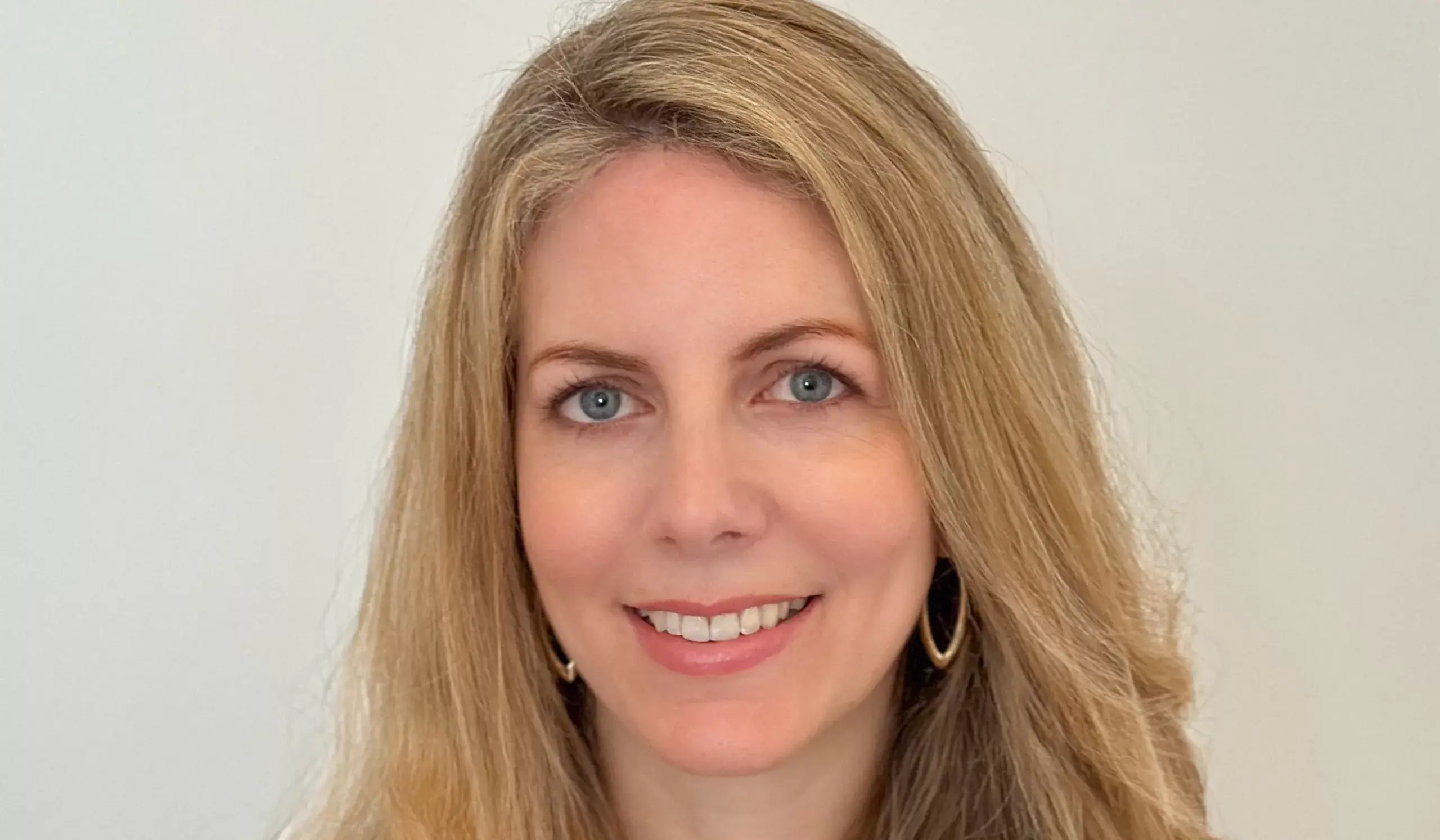
Jemimah Steinfeld, chief executive of Index on Censorship
Liberty director Akiko Hart called for the Home Office to explain clearly how its decision complied with British law. She said freedom of speech could exist only when it was also defended for people whose views others strongly opposed.
The US-based Foundation for Individual Rights and Expression, known as FIRE, said it would be troubling if the men had been excluded purely because of their political views. While governments possess broad powers over immigration, it warned that preventing conference speakers from entering because of their opinions presented serious free-expression concerns.
Green Party Leader Zack Polanski also called the bans “grim”, while a group of former Oxford Union office-holders argued that the decision reflected disproportionate scrutiny of pro-Palestinian speakers.
How did the event organisers respond?
Piker and Uygur had been scheduled for separate discussions at South by Southwest London, which held its first British festival in Shoreditch in June.
Following the ETA cancellations, SXSW London said neither man would participate. It did not offer a remote replacement for their appearances and said decisions about entry to the UK were matters for the Home Office and the individuals concerned.
The festival added that its programme contained hundreds of speakers and was intended to bring together a wide range of opinions. Piker criticised the organisers for failing to defend the pair publicly, urged disappointed ticket holders to request refunds and said he would not work with SXSW again.
“Free speech does not require a visa”, Arwa Elrayess, The Oxford Union
Arwa Elrayess, the President of the Oxford Union, announced that the planned joint event would proceed online, declaring that “free speech does not require a visa”. Piker and Uygur addressed the Union by livestream on 6 June rather than appearing in person.
The contrasting responses illustrated the choices facing British institutions: accept the government’s decision and remove the speakers or preserve the discussion through a remote platform that did not require them to enter the country.
Who are Hasan Piker and Cenk Uygur?
Hasan Piker, also known online as HasanAbi, was born in New Jersey in 1991 and raised in Istanbul. He studied political science and communications at Rutgers University before beginning his broadcasting career at The Young Turks, an online news and politics talk show.
He subsequently became one of the world’s most prominent political live streamers, attracting millions of followers through lengthy discussions of American politics, international affairs and internet culture.
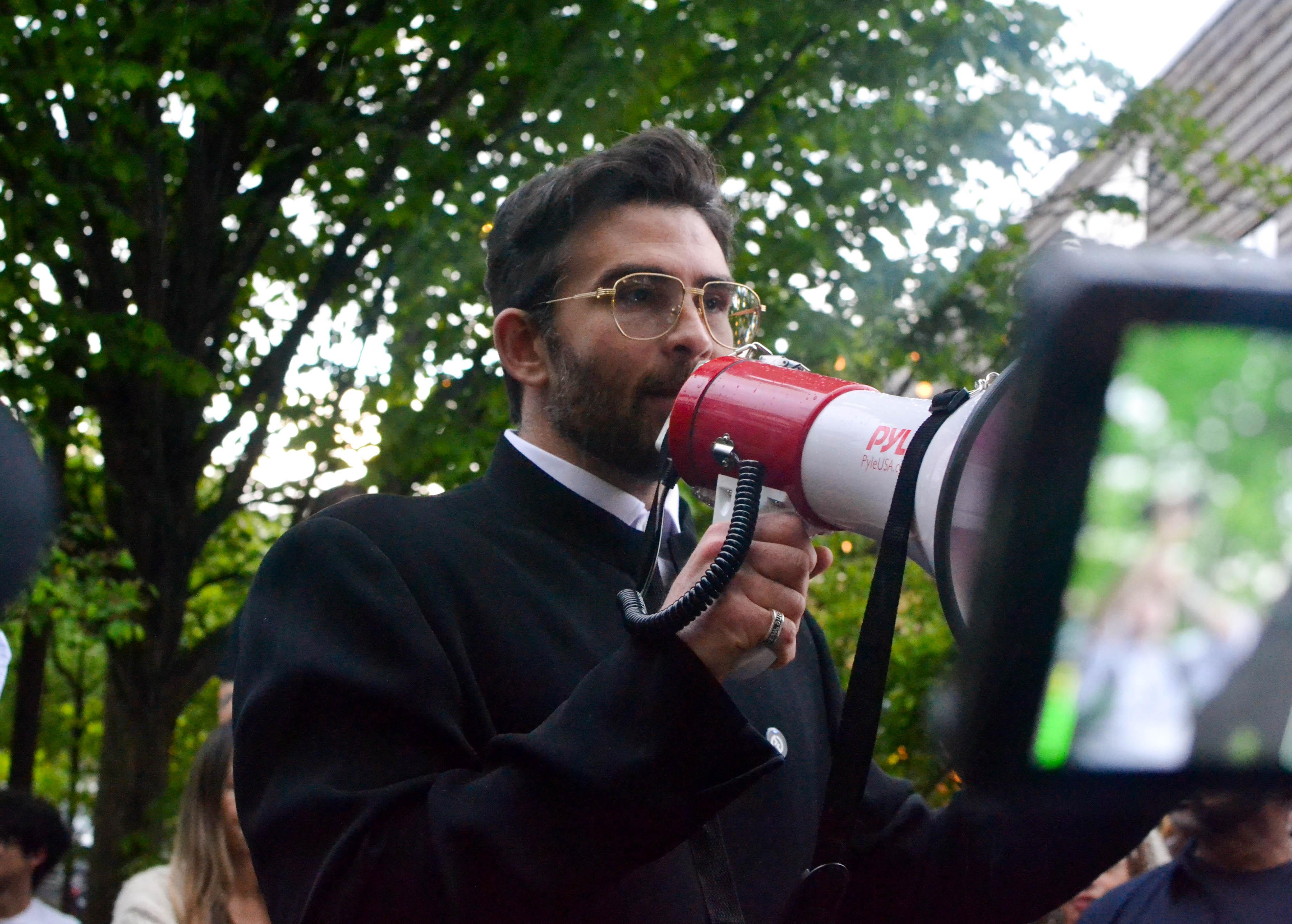
Hasan Piker speaking at a rally for Chris Rabb in West Philadelphia in April 2026. Photo © Morgan.rice.bassline.design - Own work, CC BY 4.0, via Wikimedia
His audience is particularly strong among younger viewers, and his style combines socialist political commentary, humour, gaming and reactions to breaking news.
Piker is an outspoken supporter of Palestinian rights and a critic of American foreign policy, capitalism and the Democratic Party establishment. His supporters see him as an effective communicator who introduces left-wing ideas to a generation rarely reached by traditional political media. His opponents accuse him of oversimplification, inflammatory language and minimising the actions of authoritarian or extremist groups.
Cenk Uygur was born in Istanbul in 1970 and moved to the United States with his family as a child. He graduated from the University of Pennsylvania’s Wharton School and later received a law degree from Columbia University.
After working as a lawyer, he moved into broadcasting and founded The Young Turks, initially as a radio programme in 2002. It became one of the earliest major online political news shows after launching on YouTube.
Uygur has also worked for MSNBC and Current TV and briefly sought the Democratic presidential nomination ahead of the 2024 US election.
He describes his politics as populist and anti-establishment, frequently attacking both Republicans and the Democratic leadership as being controlled by wealthy donors and corporate interests.
While The Young Turks began with a strongly progressive identity, Uygur has increasingly sought dialogue with right-wing and independent media figures, arguing that populists from different political camps share an interest in opposing corruption and political elites.
Was the ban justified?
The controversy ultimately turns on two different questions.
The first is whether Piker and Uygur have used offensive, irresponsible or potentially antisemitic rhetoric. Their critics have identified multiple statements they believe meet that description, while both men insist that their targets are Israel, Zionism and US foreign policy—not Jewish people.
The second is whether those statements justified preventing them from entering Britain.
Supporters of the ban argue that the government has a responsibility to act before visiting speakers intensify tensions, legitimise terrorist organisations or contribute to hostility against a minority community. They also point out that foreign nationals do not have an automatic entitlement to enter the UK.

Opponents argue that the government presented no public evidence that either man intended to encourage violence or disorder. They say excluding controversial commentators because of views expressed abroad establishes an opaque and potentially politicised restriction on public debate.
The Home Office has used the same broad “not conducive to the public good” power against figures from other political backgrounds, including far-right activists and the rapper Ye, formerly known as Kanye West. Nevertheless, the absence of a detailed explanation in the Piker and Uygur cases has left supporters and critics interpreting the decision through their own views of Israel, antisemitism and freedom of speech.
For British Turks, the affair may understandably provoke concerns about two prominent members of the diaspora being prevented from addressing audiences in Britain. Yet the broadcasters’ most controversial statements have also prompted genuine alarm among Jewish organisations already confronting increased antisemitism.
Whether the government’s action was a necessary precaution or an excessive act of political censorship remains disputed. What is clear is that cancelling the pair’s permission to travel did not silence the debate. Instead, it ensured that the argument over their words—and Britain’s response to them—received considerably more attention.
Main Image, top:
Left: Cenk Uygur speaking at America Fest 2024. Cropped photo © Gage Skidmore from Surprise, AZ, United States of America, CC BY-SA 2.0 via Wikimedia .
Right, Hasan Piker taking photos with attendants at a rally for Cori Bush in St. Louis, MO on 01 May 2026. Cropped photo © Poisonwithahawkseye, Own work, CC BY 4.0, via Wikimedia