

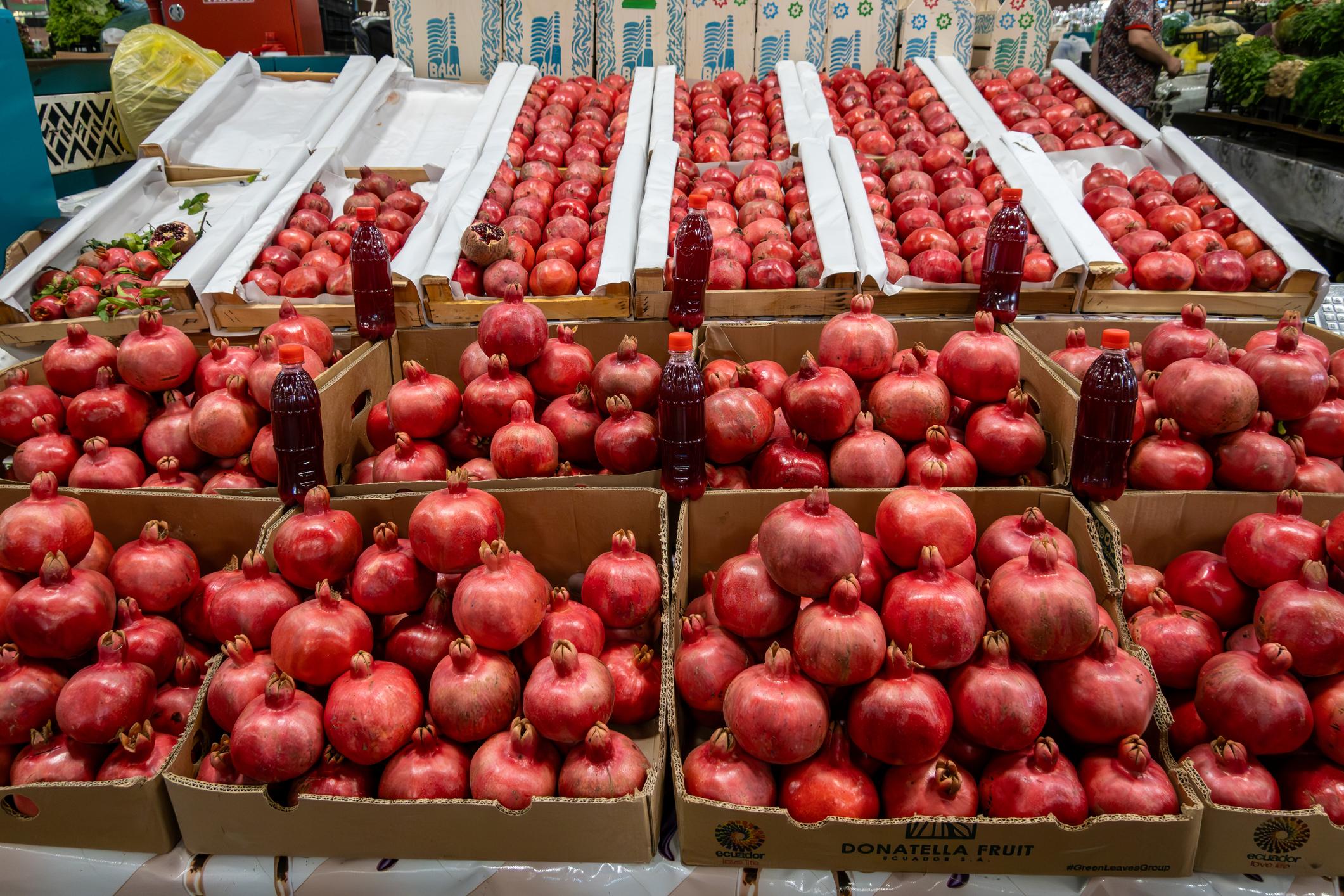
Azerbaijan is hoping one of its most cherished national symbols can also become a major international business success, as the country expands production and exports of its celebrated pomegranates.
A report by Euronews Business last week highlighted how Azerbaijan is seeking to turn the fruit – known locally as nar and cultivated in the country for around 2,000 years – into a recognisable global brand and an increasingly important part of its efforts to diversify exports beyond oil and gas.
The numbers suggest the strategy is already bearing fruit. Azerbaijan exported an estimated €48.2 million worth of pomegranates and pomegranate products in 2025, making it one of the country’s fastest-growing non-oil exports. Around 23,000 hectares of orchards are currently devoted to pomegranates, with fresh fruit as well as juice, concentrate, wine and seed oil being supplied to markets across Asia, the Gulf and elsewhere.
Separate industry figures show Azerbaijan exported almost 35,910 tonnes of fresh pomegranates worth $35.2 million in 2025, with Russia remaining by far its biggest individual market.
Part of Azerbaijan’s selling point is variety. More than 200 types of pomegranate are cultivated across the country, including the internationally known Guloysha, prized for its thin skin, abundance of juice and sweet-and-sour flavour, alongside varieties such as Valas, Shah Nar, Nazik Gabig and Bala Mursal.
Writing in Forbes last year, food and environmental journalist Daphne Ewing-Chow went so far as to suggest Azerbaijan could become “the face” of the worldwide pomegranate boom. She noted that the country produces around 190,000 tonnes of the fruit and has an unusually diverse crop, with more than 60 indigenous varieties among the 200-plus grown nationally.
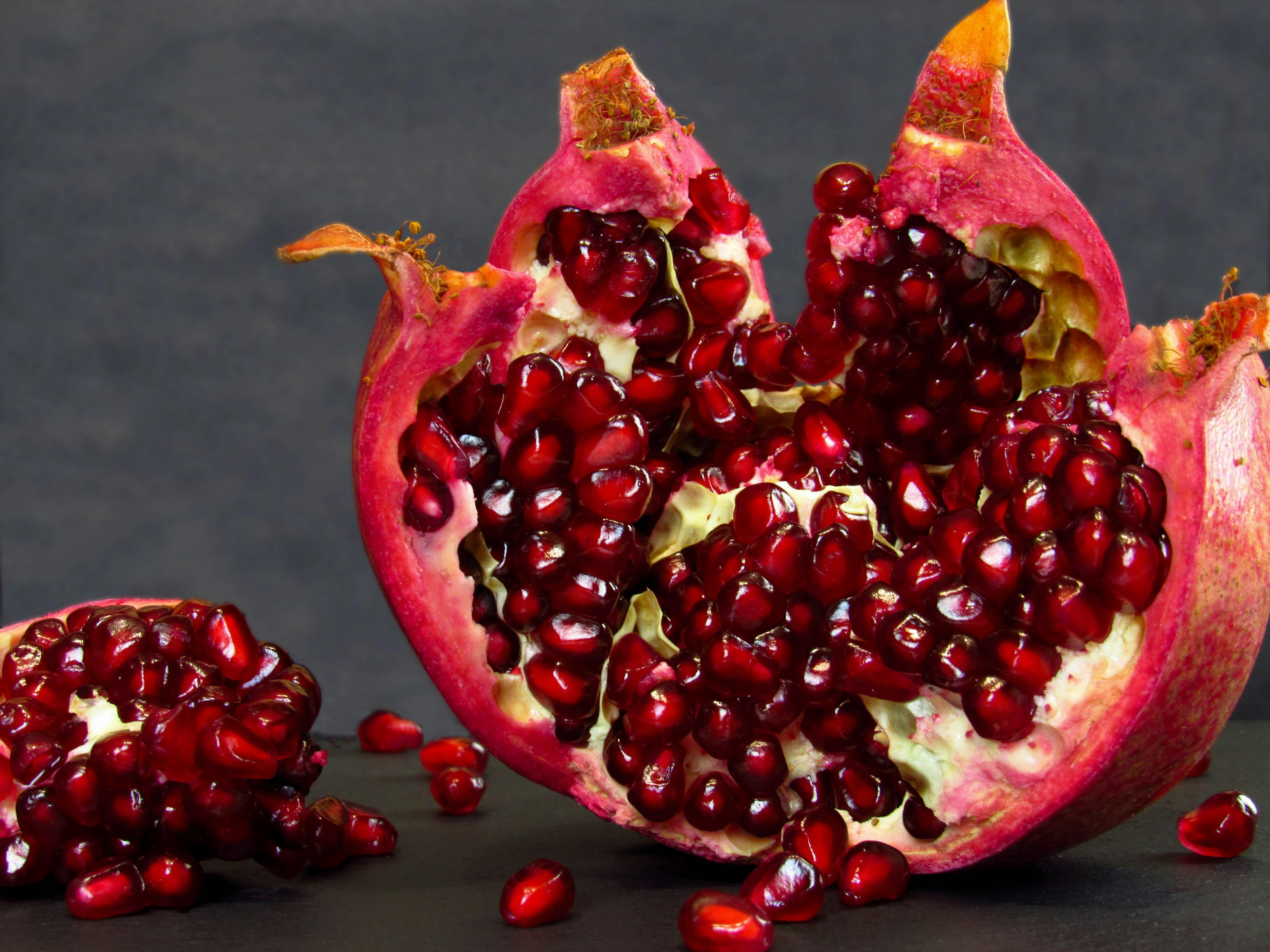
Cut pomegranate. Photo © Karyna Panchenko / Unsplash
Yet nar is far more than an export commodity for Azerbaijanis. CNN Travel previously described it as the country’s “king of fruits”, reflecting its prominent place in Azerbaijani cuisine and culture. It is eaten fresh and used in everything from preserves and drinks to narsharab, the rich pomegranate sauce traditionally served with meat and fish.
Nowhere is that relationship more visible than in Göyçay, considered Azerbaijan’s pomegranate capital. Its annual Nar Bayramı (Pomegranate Festival) celebrates the fruit through food, music, crafts and traditional culture, and was inscribed on UNESCO’s Representative List of the Intangible Cultural Heritage of Humanity in 2020.
Producers are also investing in cold storage, processing and improved logistics so Azerbaijani pomegranates and their derivatives can be sold throughout the year rather than only during the autumn harvest. There are challenges, however: growers told Euronews that changing weather patterns, drought and water shortages are affecting yields, prompting greater interest in drip irrigation and more efficient water management.
Even so, Azerbaijan believes its combination of distinctive varieties, strong cultural heritage and proximity to European and Middle Eastern markets gives it an opportunity to compete with established pomegranate exporters such as Türkiye, Iran and Spain.
For a fruit that has symbolised abundance and prosperity in Azerbaijan for centuries, its latest role as an increasingly valuable “Made in Azerbaijan” export seems particularly fitting.
Main image, top, of a display of local pomegranates in the Yasil Bazar food market in Baku, Azerbaijan, 22 Sept 2024. Alexander Farnsworth / iStock