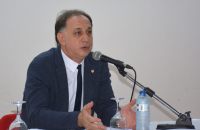

A senior Azerbaijani diplomat in London has accused The Guardian of presenting a misleading and one-sided picture of the former Armenia-Azerbaijan conflict in its review of a new documentary about Karabakh.
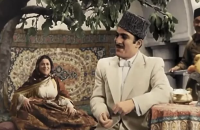
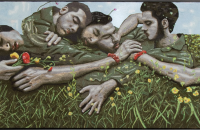
Günel Salimova, Counsellor at the Embassy of Azerbaijan in London, challenged the newspaper’s assessment of The Black Garden, a documentary by filmmaker Alexis Pazoumian that follows several generations of Armenians living in the Karabakh village of Talish during years of conflict.
In its three-star review, published on 31 August, The Guardian described the film as a “haunting study” of people growing up amid war and said Karabakh’s largely Armenian population had fought against repeated Azerbaijani military campaigns following the collapse of the Soviet Union.
The reviewer, Phuong Le, also argued that the documentary “steers clear of nationalist ideologies”, while acknowledging it could have benefited from greater sociopolitical context.
Salimova strongly disputes that assessment, describing The Black Garden as presenting a “highly nationalistic perspective”.
Writing to The Guardian, she said its account failed to explain that Karabakh is internationally recognised as part of Azerbaijan and that Armenian forces occupied Karabakh and surrounding Azerbaijani districts during the conflict that erupted in the early 1990s.
She pointed to the enormous Azerbaijani human cost, including thousands killed, some 4,000 people still missing, and around one million Azerbaijanis who were displaced or became refugees.
Salimova also highlighted United Nations Security Council resolutions calling for the withdrawal of occupying forces from Azerbaijani territory.
Azerbaijan regained control of most of the territory in the 2020 war, with the remaining Armenian separatist administration in Karabakh surrendering in September 2023. Salimova said the legacy of the conflict continues, citing 436 people killed or injured in landmine explosions between 2020 and 2026.
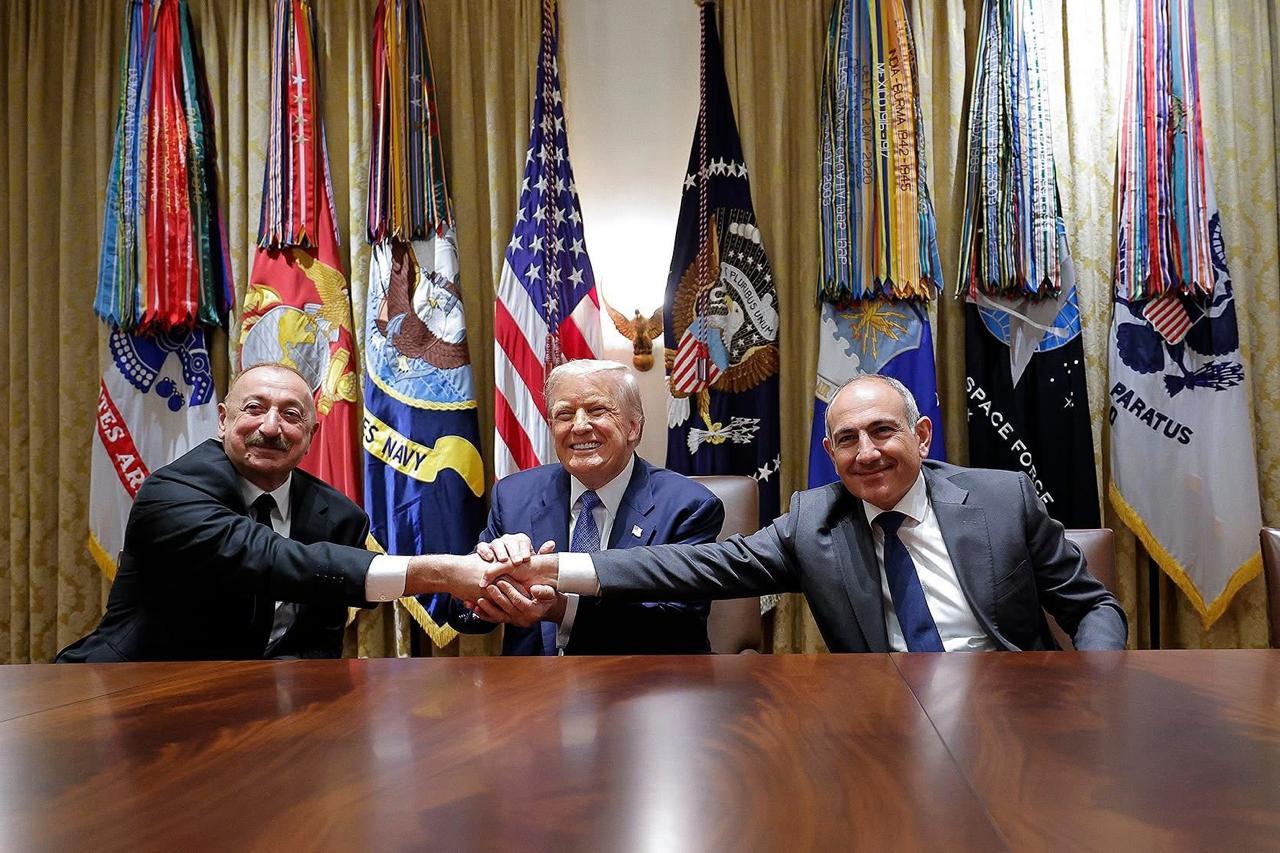
The diplomat also questioned the timing of the film and the review when Baku and Yerevan are pursuing a historic normalisation process.
She said Azerbaijan and Armenia were now trading, holding regular border delimitation talks and developing confidence-building and regional connectivity measures.
“These are the developments that deserve the spotlight,” Salimova argued, rather than narratives that risk fostering fresh division between the two neighbouring nations.
Her intervention follows separate criticism of The Guardian review by Dr Farid Shafiyev, Azerbaijan’s former ambassador and chairman of the Baku-based Center for Analysis of International Relations, who similarly accused it of omitting the occupation and displacement experienced by Azerbaijanis.