
Türkiye is grappling with a growing plastic waste problem, with new research revealing alarming levels of microplastic pollution around recycling facilities while environmental groups warn that record quantities of waste imported from Europe are adding to the country’s own domestic plastic burden.
The issue is particularly acute along Türkiye’s eastern Mediterranean coast, where Adana and neighbouring Mersin have become major centres for plastic recycling. Concerns extend beyond discarded bottles and bags littering the environment: scientists are finding microscopic plastic particles in waterways connected to agricultural land, raising questions about the longer-term impact on soil, food production and the Mediterranean Sea.
Türkiye generated an estimated 48 kilograms of plastic waste per person each year, according to a Plastic Waste Report published by the Zero Waste Foundation in August. That is 44.9% higher than the global average. The foundation says reducing unnecessary plastic use at source must form a central part of Türkiye’s future strategy.
At the same time, Türkiye has become the principal destination for much of Europe’s exported plastic waste.
Greenpeace Türkiye, drawing on European trade data, says 503,000 tonnes of plastic waste were exported from European Union countries to Türkiye during 2025, a record and a 19% increase on the previous year. The organisation says imports from the EU have increased 435-fold since 2004.
Britain, which is no longer included in EU figures, sent almost another 140,000 tonnes of plastic waste to Türkiye in 2025, according to trade data analysed for an investigation by the Guardian and Environmental Investigation Agency (EIA).
From recycling plants into agricultural waterways
Some of the clearest evidence about the environmental consequences has emerged from Adana, at the heart of the fertile Çukurova plain.
A peer-reviewed study published in Environmental Monitoring and Assessment in March by Professor Sedat Gündoğdu of Sabancı University’s Istanbul Policy Center and Çukurova University, together with agricultural scientist Salim Avcıoğlu, examined canals upstream and downstream from plastic recycling facilities.
The researchers found microplastic concentrations ranging between 16.5 and 2,174.5 particles per litre, with concentrations downstream of some recycling facilities reaching as much as 132 times the levels recorded upstream.
They calculated that more than 5.3 billion microplastic particles an hour could be passing through some contaminated waterways.
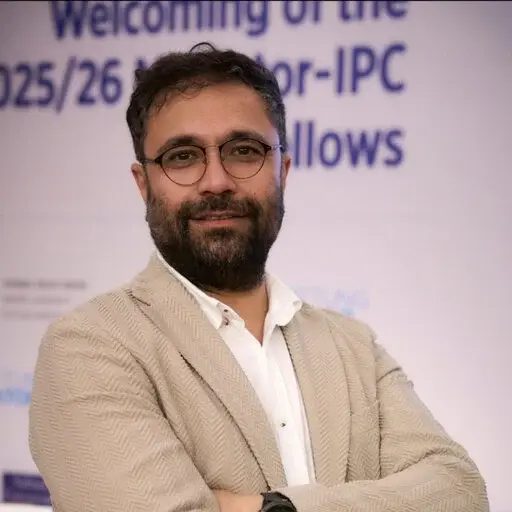
Professor Sedat Gündoğdu's research has been pivotal in raising awareness about the harm of microplastic waste in Türkiye
Crucially, plastic pellets and industrial polymers associated with recycling appeared only downstream from facilities, providing what the researchers describe as clear evidence linking the pollution to recycling activity.
The canals form part of an extensive network that irrigates farmland before ultimately draining into the Seyhan River and Mediterranean.
The study therefore challenges the assumption that plastic recycling automatically removes plastic from the environmental equation. Shredding, grinding and washing plastic can themselves create huge quantities of microscopic fragments if wastewater is not properly treated.
Gündoğdu and Avcıoğlu recommend tougher restrictions on plastic waste imports, mandatory filtration systems for recycling facilities and stronger international accountability for the cross-border waste trade.
EIA Legal and Policy Specialist Amy Youngman similarly argues that exported waste can transfer the environmental costs of wealthy countries’ plastic consumption elsewhere.
The organisation says the UK should phase out plastic waste exports, improve traceability and enforcement and reduce plastic production itself rather than depending on overseas recycling.
British waste concentrated in Adana
An investigation by the Guardian, supported by EIA analysis, found that between May 2021 and July 2024 13 British companies sent 545 shipments containing 52,000 tonnes of household and supermarket plastic waste to the Kemal Deniz recycling zone in Adana.
The site sits less than a mile from agricultural fields.
Local farmers and residents told reporters of plastic dumped near waterways, fires involving unwanted waste and smoke settling over greenhouses and residential areas.
The investigation stressed that there was no suggestion British companies were breaking the law merely by exporting waste to Türkiye. Exporters are, however, required to ensure waste is ultimately treated in an environmentally sound manner.
The wider problem is that not everything shipped abroad under the banner of recycling can necessarily be recycled economically or safely.
Türkiye permits controlled waste imports for recycling rather than disposal, with rules governing contamination levels and quotas for recycling companies. Yet illegal dumping, fires and inadequate wastewater treatment have repeatedly been documented around plastic processing areas.
A coalition of 82 Turkish environmental and civil society organisations recently went further, calling for plastic waste imports to be prohibited altogether.
Focusing particularly on Mersin, Adana and Hatay, their joint statement warned that plastic pollution was threatening the eastern Mediterranean’s seas, coastline, farmland and water resources. They called for regular monitoring of micro- and nanoplastics, independent inspections of recycling plants, publication of detailed waste-import data and a comprehensive regional action plan.
Türkiye already struggling with its own waste
Imported plastic is only part of the problem.
The OECD’s latest environmental assessment of Türkiye notes that while municipal waste generation per person remains below the OECD average, most municipal waste is still sent to landfill and only relatively small amounts are composted or recycled.
That makes importing hundreds of thousands of tonnes of additional plastic particularly contentious.
Greenpeace Türkiye argues that recycling alone cannot solve a problem driven by ever-growing plastic production and consumption. Its 2026 policy recommendations include banning plastic and textile waste imports, introducing binding targets to reduce plastic production at source and halting further expansion of the petrochemicals industry.
The organisation has also urged Türkiye, which will host the COP31 climate summit in Antalya from 9 to 20 November 2026, to use its international platform to push for tougher global measures on plastic production.
Government-backed Zero Waste strategy proposes reforms
There are also signs that Türkiye is acknowledging the scale of the challenge.
The Zero Waste Foundation, whose honorary president is First Lady Emine Erdoğan, published its first comprehensive Plastic Waste Report in August and followed this with a major national workshop involving public institutions, universities, local authorities, NGOs and the private sector.
Its recommendations include reducing unnecessary plastic consumption; expanding separate waste collection and recycling infrastructure; improving official data and digital traceability; tighter performance-based monitoring of recycling facilities; and reducing Türkiye’s dependence on low-quality imported plastic waste.
The foundation wants Türkiye to achieve a 60% recycling and recovery rate by 2035.
Foundation president Samed Ağırbaş said the country needed to change production and consumption patterns and reduce waste at source or future generations would “inherit plastic instead of nature”.
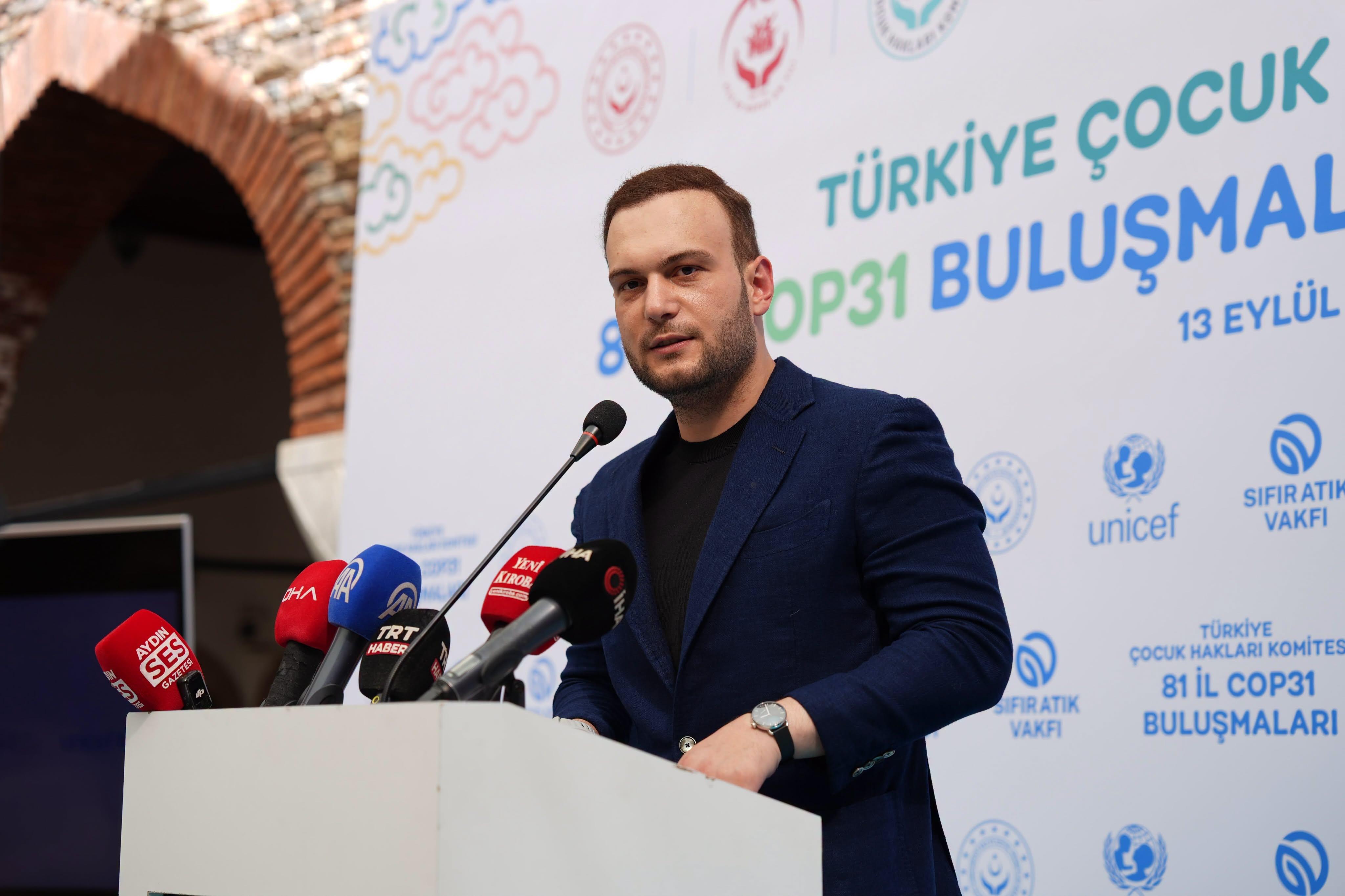
Samed Ağırbaş, president of Zero Waste Foundation in Türkiye. Photo © Facebook / Sıfır Atık Vakfı
A national Plastic Waste Workshop held in Istanbul on 31 August and 1 September examined the entire plastics lifecycle, from product design and consumption through to reuse, recycling, microplastics, human health and international trade. Its conclusions are intended to feed into Türkiye’s longer-term Plastic Action Plan and its proposed 2053 plastics strategy.
Adana is also to develop its own provincial action plan targeting plastic and microplastic pollution.
Deposit scheme collects 205 million containers
One significant practical reform has already begun.
Türkiye rolled out its national Depozitosu Olan Ambalajlar (DOA) deposit-return system on 1 July. Consumers returning designated PET plastic bottles, glass bottles and aluminium cans receive 1 TL for each eligible container.
According to Environment, Urbanisation and Climate Change Minister Murat Kurum, more than 205.7 million drinks containers had been collected between 1 July and 5 September, with more than 3.2 million people registered with the system.
The Government ultimately hopes to collect around 25 billion containers annually.
Such initiatives demonstrate that Türkiye’s response is evolving, but environmental specialists maintain that collection and recycling must be accompanied by reductions in plastic use and much tougher controls over what enters the country.
Europe tightening rules – but Türkiye remains exposed
European rules are changing too.
Since 21 May 2026, all plastic waste exported from the EU to countries outside the bloc has required prior notification and consent. From May 2027 exporters will also have to demonstrate through independent audits that overseas facilities are managing their waste in an environmentally sound way.
A total ban on EU plastic waste exports to non-OECD countries takes effect on 21 November this year.
That ban will not automatically apply to Türkiye because it is an OECD member.
However, the European Commission is required to scrutinise plastic exports to OECD countries and has the power to suspend them where increasing shipments are causing environmental or public-health harm or waste is not being managed to adequate standards.
For Türkiye, that puts the spotlight increasingly on what happens after imported plastic arrives at the recycling plant.
The evidence emerging from Adana suggests the answer cannot simply be measured in tonnes declared “recycled”. Scientists and environmental groups argue success must instead be judged by whether waste is genuinely kept out of Türkiye’s rivers, soil, air, food chain and ultimately the Mediterranean.
And there is growing agreement, including from Türkiye’s own Zero Waste institutions, on perhaps the most fundamental point: dealing with plastic after it becomes waste will never be enough unless less of it is produced and discarded in the first place.
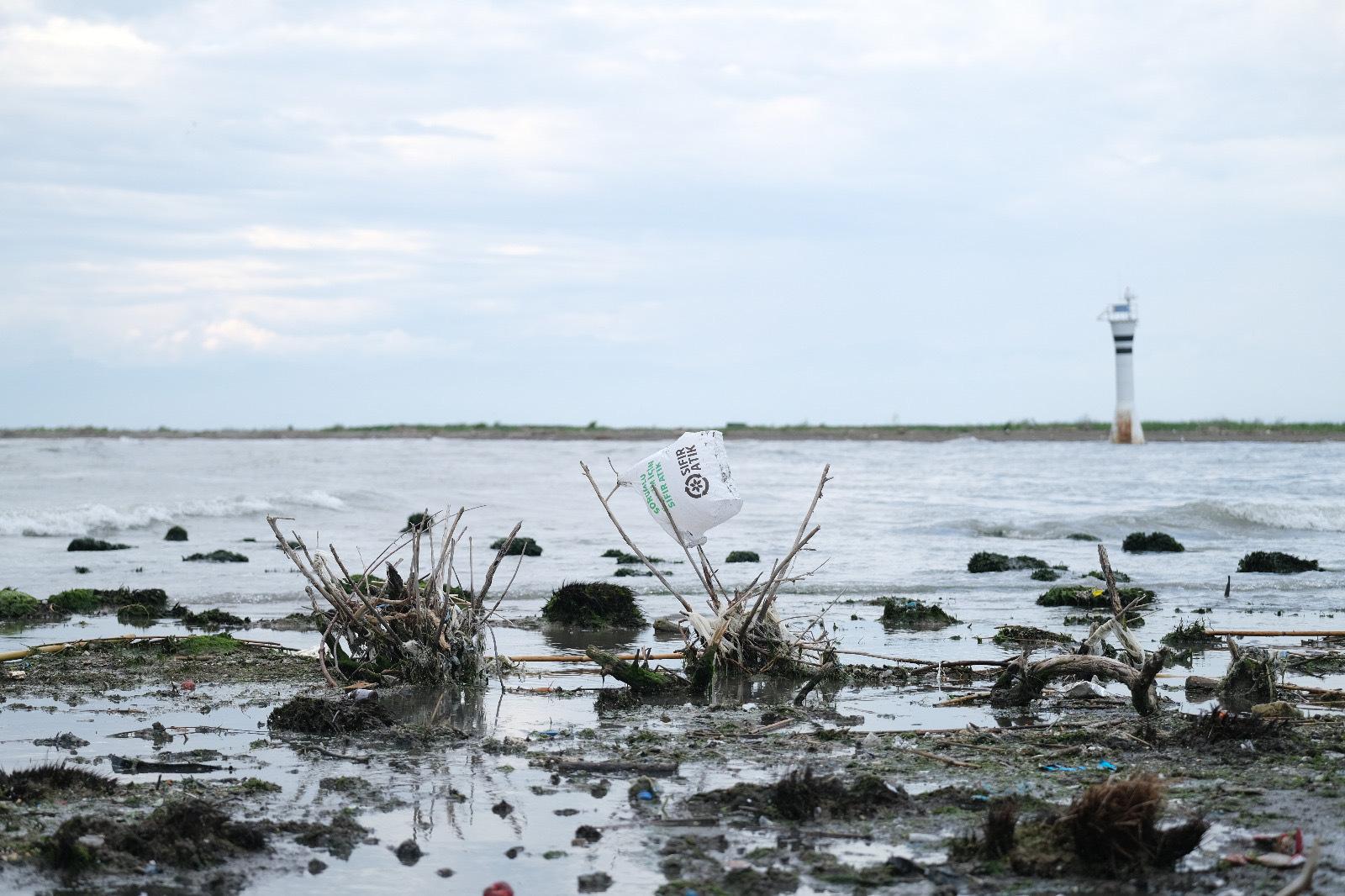
Main image, top, of plastic waste in Tarsus, Mersin, 23 May 2026, via Greenpeace Türkiye. Photo © Vedat Örüç