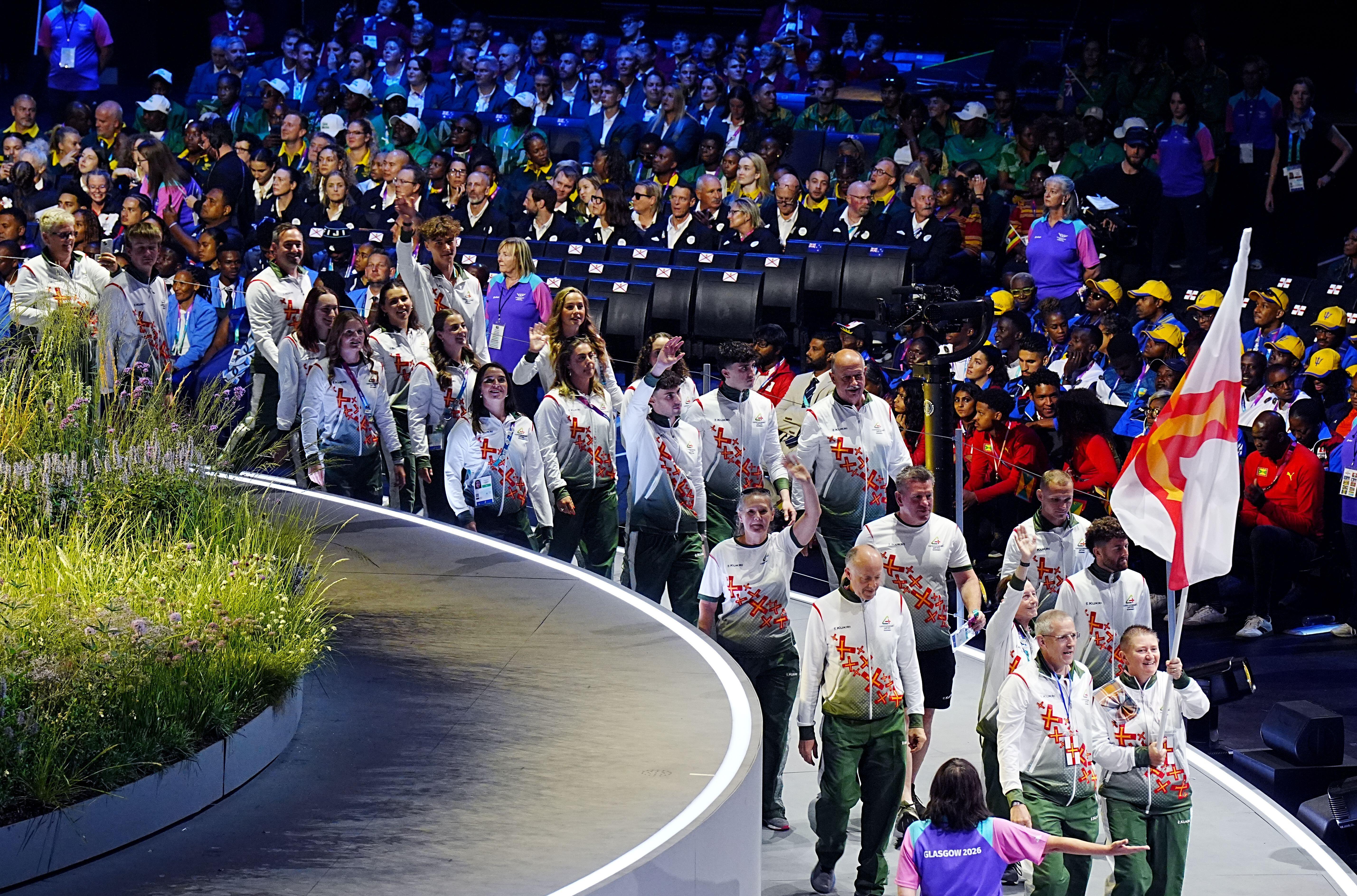
A fortnight ago, the 23rd Commonwealth Games held its closing ceremony having run for 11 days in host city Glasgow, from 23rd July to 2nd August. They were dubbed the ‘Ozempic’ Games after drastically slimming down the list of sports from 19 to 10. However, that reduction in sporting disciplines occurred alongside an increase in participating ‘nations and territories’, which grew from 72 to 74 – the highest ever number in the 96-year history of the Commonwealth Games.
Despite this growth, there was no room for Turkish Cypriot athletes. At least none from Cyprus itself.
I would like to take the opportunity to congratulate British born Turkish Cypriot, Açelya Toprak (pictured below), who won a gold medal for England in the Women's judoka (-57kg), having previously won silver in the Birmingham 2022 Games. It’s a fantastic achievement, and one which stands as proof of Açelya’s talent and determination. Her win also serves as an example of the athletic calibre which exists within the Turkish Cypriot community.
Unfortunately, while Açelya had an avenue to showcase her obvious sporting prowess by competing with England, her compatriots in Cyprus have consistently found their own paths blocked.

Turkish Cypriots have been prevented from competing in the Commonwealth ever since the Greek Cypriot-administered Republic of Cyprus first participated in the Games at Edmonton, Canada, in 1978.
By then, it had been 15 years since the Greek Cypriot administration had first seized control of the state apparatus of Cyprus (in December 1963), destroying the power-sharing Republic in the process. Yet, having inadvertently obtained international recognition as the sole legitimate government of Cyprus through a badly worded UN Resolution in March 1964, Greek Cypriots have continued to trade off this elevated status at the expense of their former Republic partners, the Turkish Cypriots.
But their power-grab did not change what the Republic of Cyprus was and is still supposed to be. The UN confirmed as recently as 1992 (Resolution 774) that sovereignty of the island “emanates equally from the Greek Cypriot and Turkish Cypriot communities. One community cannot claim sovereignty over the other community.”
Despite the obvious contradiction, Turkish Cypriots have found themselves subjected to all-encompassing embargoes at the behest of the Greek Cypriot ‘government’. The embargoes are used as a tool to punish Turkish Cypriots in the hope that they will grow tired and that they will eventually accept the loss of their partnership status and will submit to Greek Cypriot rule as a minority.
While they continue to resist, Turkish Cypriots are unable to trade, travel or communicate directly with the outside world, except with Türkiye. Were that not enough, they are also unable to participate in cultural or even sporting events – such as the Commonwealth Games.
This situation has prevailed for so long that the Turkish Cypriot people find themselves ‘champions’ of a competition they would rather not be in. They have endured the longest running embargoes in history: 62 years of international isolation.
Greek Cypriot athletes participate enjoy success in multiple sports at the Glasgow Commonwealth Games 2026 under the ‘Cyprus’ flag, while Turkish Cypriot athletes are frozen out
While the decision on which territories and states compete in the Commonwealth Games sits with the entirety of the Commonwealth nations, the position of the United Kingdom is particularly difficult to square. They are the historical anchor, diplomatic hub, and primary funder of the Commonwealth of Nations. Their stance carries significant weight.
The UK is also the former colonial power in the island, and they are one of three guarantor powers (with Türkiye and Greece) of the new Cypriot state, which emerged following their withdrawal in 1960.
As part of that guarantor status, the UK has a legally responsibility for safeguarding the independence, territorial integrity, and constitutional order of the Republic of Cyprus. A constitutional order which explicitly provides for a state made up of two communities. Not of one.
The unjust treatment of Turkish Cypriots by the UK is a political choice. They are intimately aware of the history of the island and the ongoing injustice against Turkish Cypriots. They simply choose to ignore it.
One reason for the exclusion of Turkish Cypriot athletes is the non-recognition of their state. However, there are currently 18 non-independent territories participating in the games, including Gibraltar, Bermuda and the Falkland Islands (their flag-bearer pictured above at the opening of the Glasgow Games). All lack sovereignty and none are UN member states. Turkish Cypriots could also be allowed to compete without affording recognition to the Turkish Republic of Northern Cyprus (TRNC).
An additional argument is that athletes must be selected by a recognised Commonwealth Games Association (CGA) in each nation or territory. But in Cyprus, the CGA sits under the exclusive control of Greek Cypriots, who steadfastly refuse to select Turkish Cypriot athletes even when they do put themselves forward for selection. Some, in their desperation, have tried. None have ever been selected. It is not for lack of talent.
The combination of non-recognition of the TRNC and the refusal to accept their shared sovereignty within the existing Republic of Cyprus means that the Turkish Cypriots are also unable to create their own CGA. A Catch-22 which leaves them locked outside of the games. Consequently, generations of talented Turkish Cypriot sportsmen and women have been deprived of the chance to test themselves against their peers on the world stage.
We are often told that sport and politics should not mix. We are also taught that the one of the values of the United Kingdom is a firmly held belief in fair play and good sporting conduct. It’s high time that it showed some of that to the Turkish Cypriot people.
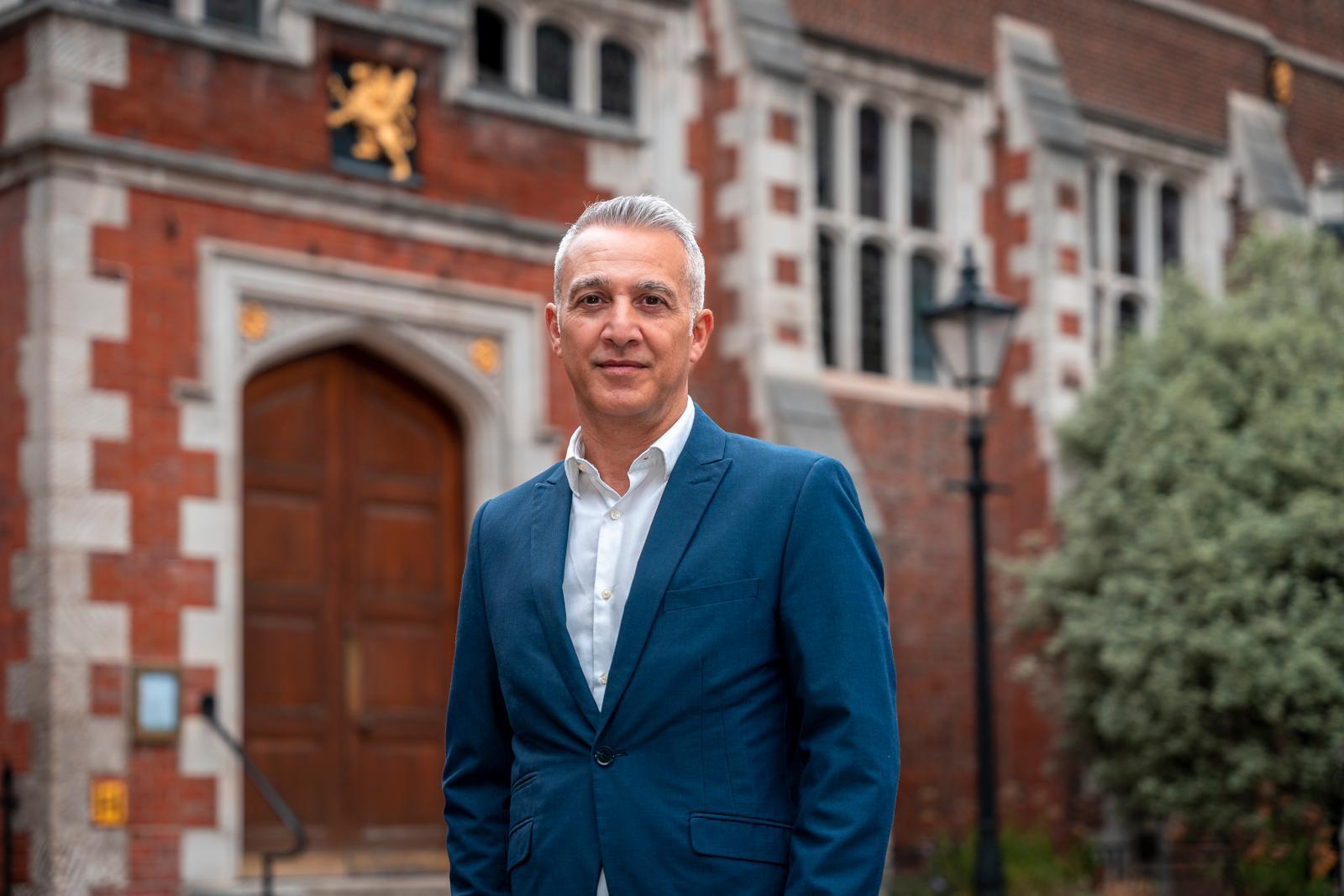
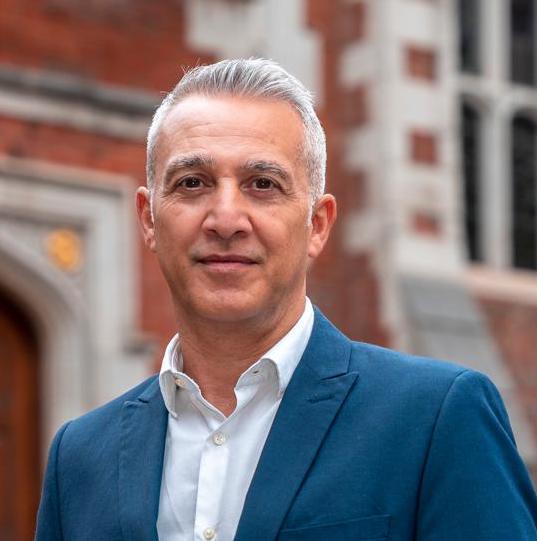
Taskin Ismet is the chair of Turkish Cypriot human rights group Embargoed!, which campaigns for the immediate and unconditional ending of the international isolation of Turkish Cypriots and their North Cyprus homeland.
Main image, top, of Guernsey arriving into the arena during the opening ceremony for the 2026 Commonwealth Games in Glasgow. Picture date: Thursday July 23, 2026. Photo © Jane Barlow / Alamy