Today millions of Muslims around the world have started to fast during daylight hours. This period of abstinence will last for one month.
Known as Ramazan in Turkish, or Ramadan, this month is regarded as the holiest in the Muslim calendar as it is believed this was when the Ku’ran was first revealed to the Prophet Muhammed.
Fasting is one of the five pillars of Islam. The other four is a declaration of and commitment to one’s faith, doing five daily prayers, giving to charity or Zakat, and performing a haj (pilgrimage) to Mecca at least one in your lifetime.
The Islamic calendar also has 12 months, but unlike its western, Gregorian counter-part, Muslims use the lunar cycle to determine the start and end of months. Each lunar month runs for 29 or 30 days. As a result, each year the month of Ramazan comes forward by about two weeks.
Adult Muslims whose net wealth is above the nisab threshold, or minimum amount of property and assets required to live, are required to make a donation during the year known as Zakat. This is normally about 2.5% of a person’s net wealth.
Many choose to pay their Zakat during Ramazan. It can be donated to their local mosque or a charity. Many Islamic charities and mosques appeal for funds to assist people who are poverty-stricken, both those living locally and abroad. Zakat can also help alleviate some of the suffering for those living in conflict zones, such as in Yemen, and to rebuild communities after a natural disaster has struck, such as Cyclone Idai, which recently ripped through Mozambique, Malawi and Zimbabwe.
When does Ramazan end?
In 2019, the month-long fast is expected to end on the evening of either the 3 or 4 June – depending on the sighting of the moon. Once fasting ends, a special three-day celebration begins, known as Eid al-Fitr, or Ramazan Bayramı in Turkish.
Wishing all who believe a blessed Ramazan (Ramadan Kareem, or ‘hayırlı ramazanlar’ in Turkish).



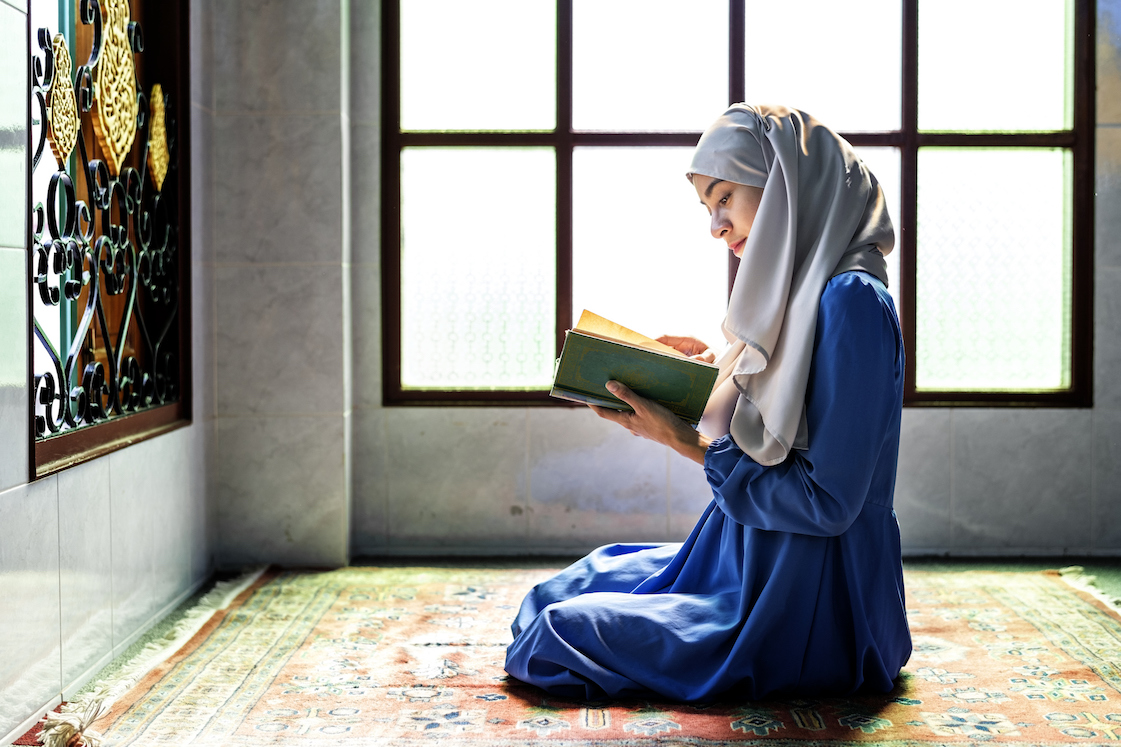 Muslim woman reading from the Ku'ran. Photo © iStock / Rawpixel
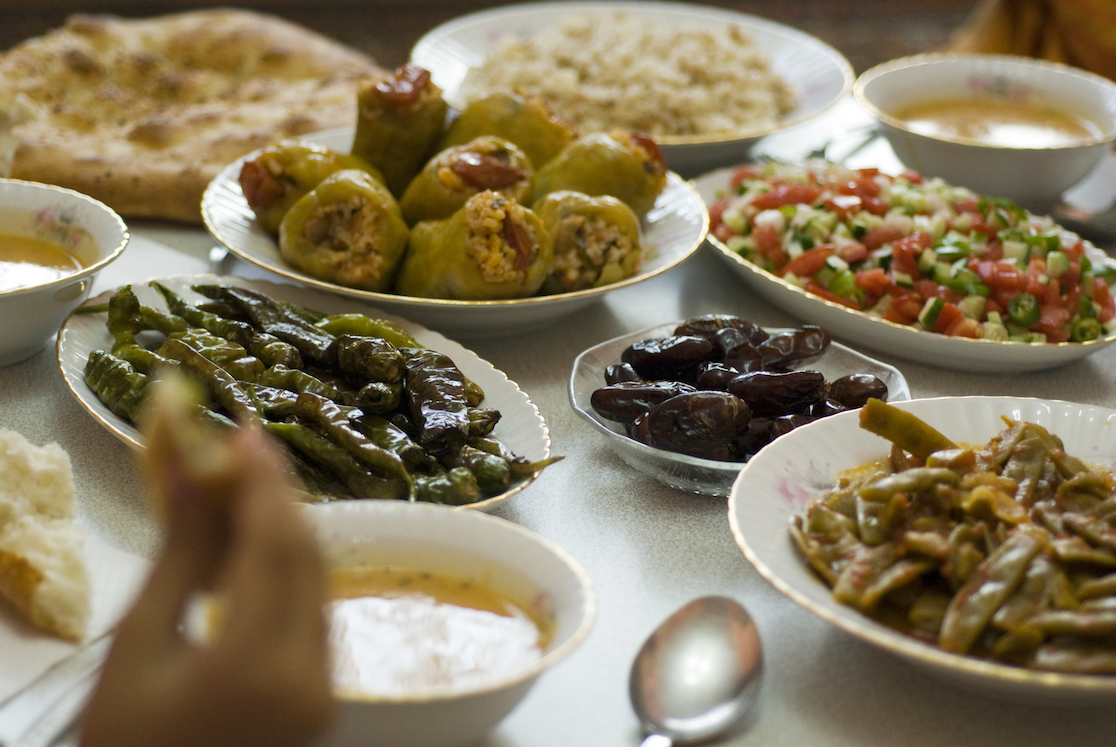 Table set for iftar during Ramadan in Istanbul, Turkey. Photo © iStock/Burak Pekakcan