Reform UK has been accused of once again stigmatising Britain’s Turkish community after unveiling plans for a public tip line to report suspected illegal workers and criminal businesses – a proposal widely billed as a “Turkish barber tip line”.
The controversial plan formed part of a package of measures announced by Reform’s Home Affairs spokesperson Zia Yusuf on Thursday, 6 August, aimed at illegal employment and organised crime operating through businesses on Britain’s High Streets.
Under Reform’s proposals, members of the public would be encouraged to report businesses they suspect of employing people illegally, with police and Trading Standards expected to investigate credible information. Informants whose tip-offs result in successful enforcement or prosecution could receive a financial reward paid from penalties recovered.
Yusuf accused Conservative and Labour governments of having “effectively decriminalised illegal working” and said Reform would introduce dramatically tougher penalties against employers, including fines worth up to 10 percent of a company’s global turnover and potential prison sentences for senior executives.
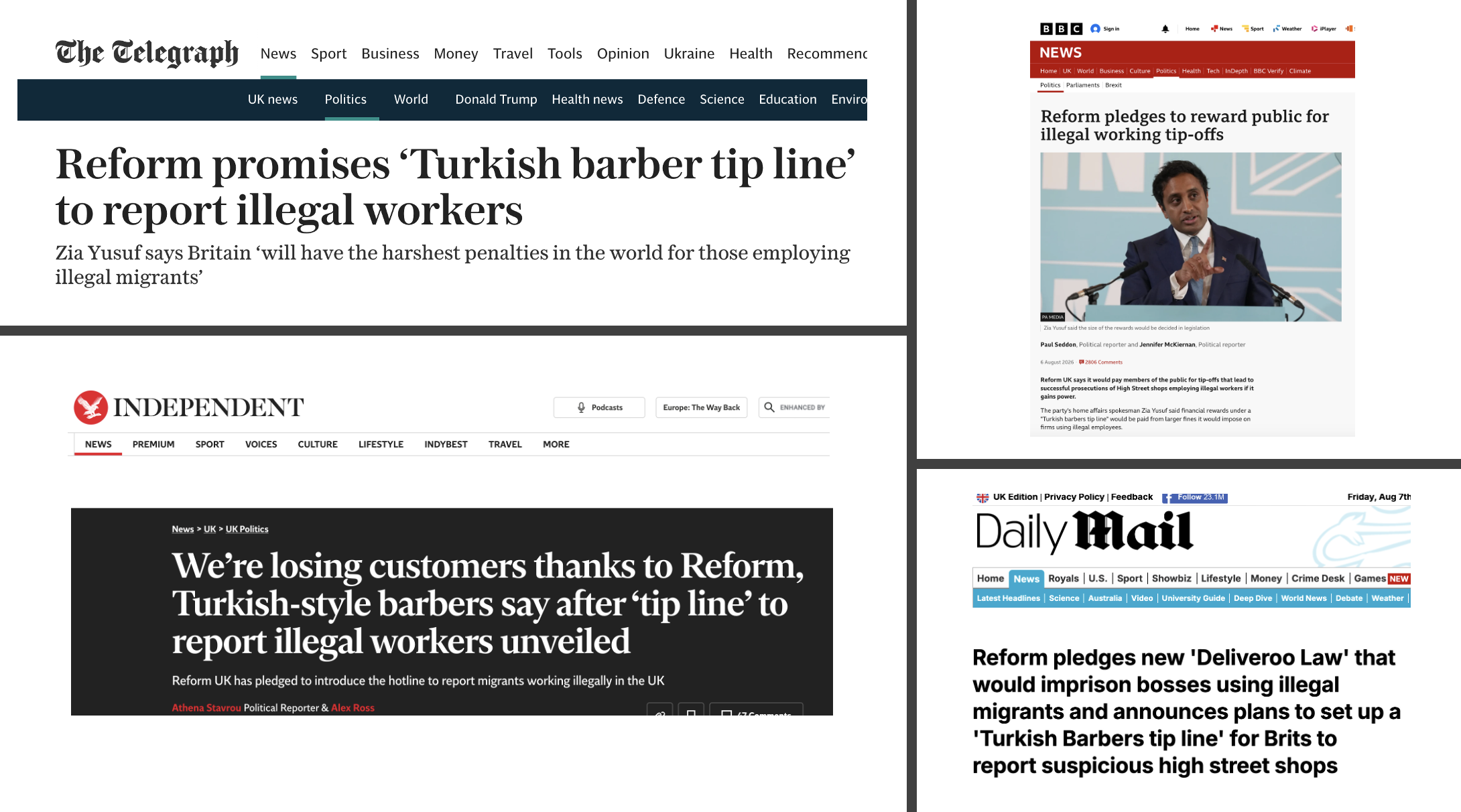
The published extracts of Yusuf’s press conference did not specifically single out Turks. Yet Reform’s wider presentation of the policy quickly ensured that one nationality became attached to it.
The Sun reported before the press conference that Reform leader Nigel Farage had pledged to establish a “Turkish Barber tip line”, while the BBC, Daily Mail, The Independent and The Telegraph all also described Reform’s proposal as a “Turkish barber tip line” – several in their story headlines.
And as Reform rolled out the policy, its Treasury spokesperson Robert Jenrick went further, posting a video in which he complained that “dodgy Turkish barbers” were making High Streets look “messy” and pushing out legitimate businesses.
Jenrick has targeted Turkish barbers before
It was not the first time Jenrick had used the nationality in a derogatory context.
In May 2025, while still a Conservative MP, Jenrick posted a social media video about crime and disorder in London in which he grouped “weird Turkish barber shops” together with bike theft, phone theft, shoplifting and drugs, saying they were all “chipping away at society”.
After being challenged over his remarks, Jenrick acknowledged that “many Turkish barber shops are good local businesses”.
Nor is he alone in Reform.
Farage has repeatedly made Turkish-branded barber shops a political target. In one video he suggested there was something inherently suspicious about the number appearing on British High Streets, alleging that shops had few customers, took cash and nevertheless had expensive cars parked behind them. Earlier this year, then communities minister Miatta Fahnbulleh accused the Reform leader of engaging in “dog-whistle racism” and the “politics of division” by focusing on Turkish barbers.
The rhetoric has become sufficiently familiar for Turkish barber Ali Ghasr in Glasgow to respond with humour. In February, his G11 Barbers shop covered its windows with images of Farage sporting 13 different hairstyles. Ghasr told LBC it was unfair to portray Turkish barbers as scammers or tax dodgers, saying his own business accepted cards and was popular with customers.
Crime is real – but where is the evidence it is a ‘Turkish’ problem?
There is no question that British law enforcement agencies have identified serious criminal activity involving some barber shops and other cash-intensive High Street businesses.
The National Crime Agency's Operation Machinize targeted 380 premises in spring 2025, resulting in 84 warrants, 35 arrests, the closure of at least ten shops and bank-account freezing orders totalling more than £1 million. Officers also encountered suspected illegal working and potential victims of modern slavery.
But crucially, the NCA did not describe this as Turkish criminality.
Its warning applied to a broad category of cash-intensive businesses including barber shops, vape stores, nail salons, American-style sweet shops and car washes, which criminals can exploit to mix illicit proceeds with legitimate takings. The government's 2025 National Risk Assessment similarly lists barber shops alongside car washes and nail salons as vulnerable to money laundering; it does not identify Turkish ownership or ethnicity as the risk factor.
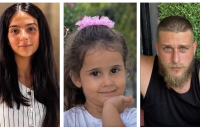
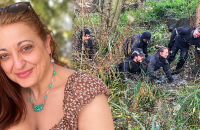
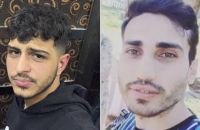
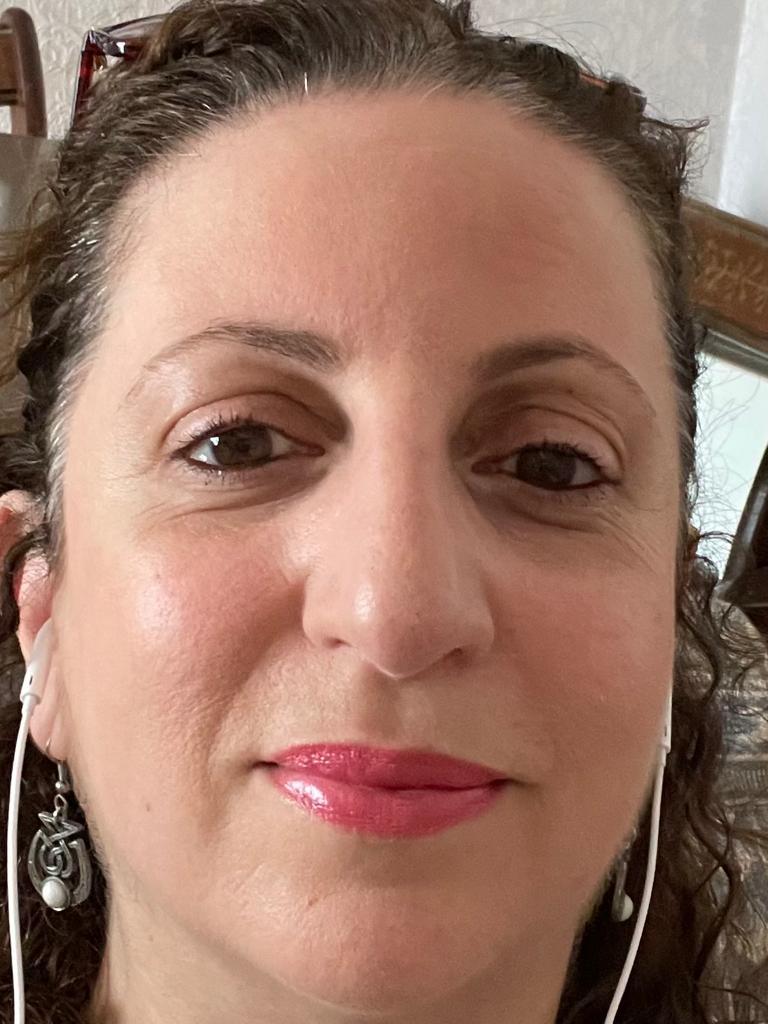
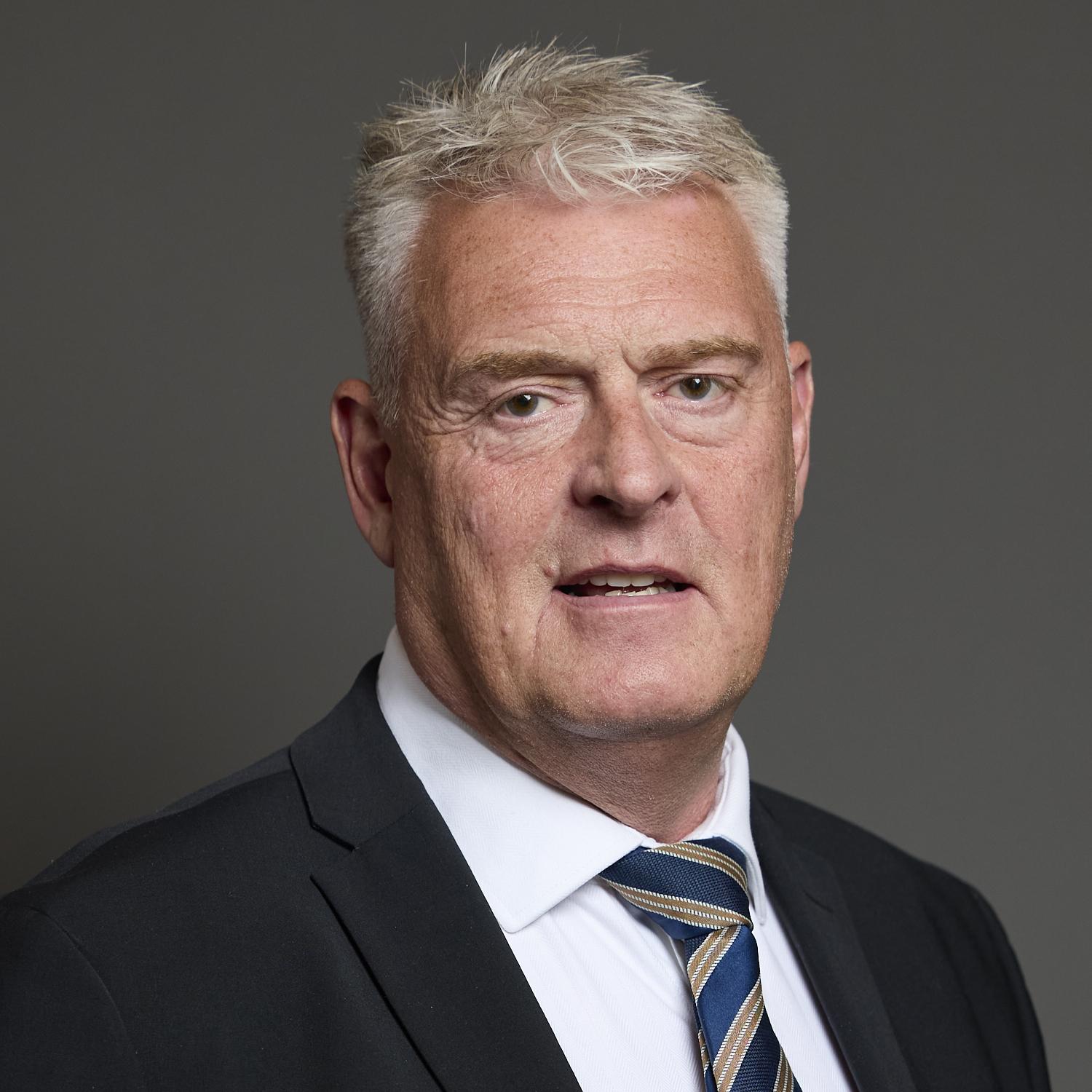
Indeed, when Reform MP Lee Anderson (pictured left, photo © House of Commons/Roger Harris) specifically asked the Home Office about money laundering by “Turkish barber shops” last year, the government's answer made no finding about Turks. It referred instead to “cash intensive businesses such as barbershops” being exploited by criminals and repeated the results of Operation Machinize.
One report on the crackdown noted another complication: many businesses marketed as “Turkish barbers” are not actually Turkish-owned. The National reported last year that shops using Turkish branding were often operated by people of Kurdish or Albanian backgrounds. The term “Turkish barber” has increasingly become a description of a style of men's grooming rather than reliable evidence of an owner's nationality.
Official enforcement figures, meanwhile, do not provide an ethnic breakdown demonstrating that Turkish-owned barbers offend at a higher rate than other barber shops, other cash-based businesses or other communities.
That distinction matters. Tackling a business because there is evidence of illegal working, money laundering, tax evasion or organised crime is law enforcement. Treating the word “Turkish” itself as a marker of suspicion risks something very different: attaching criminality to an ethnic and national identity.
Legitimate barbers say the rhetoric is already hurting them
There is evidence that the political narrative is affecting legitimate businesses.
Alan Ahmea, who runs Turkish Style Barbers in Keynsham near Bristol, told The Independent following Reform's latest announcement that customers had already gone elsewhere because they feared his shop employed illegal workers or evaded tax.
“We work hard, do everything legally and pay taxes,” he said, stressing that wrongdoing by some businesses should not result in every Turkish-style barber being treated with suspicion.
More disturbing examples demonstrate how easily suspicions promoted online can spill into hostility and violence.
During racist and anti-immigration disorder across Northern Ireland on 9 June this year, a Turkish barber shop in Ballyclare had its windows smashed. Sky News verified more than a dozen violent incidents during the unrest, many apparently targeting ethnic-minority homes and businesses.
An even more chilling case occurred in Bristol.
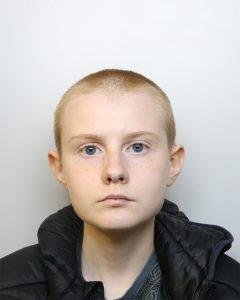
On 2 August 2025, neo-Nazi extremist Alina Burns (pictured right) attacked Kurdish-Iranian barber Mohammed Mahmoodi from behind with an axe and tried to behead him as he stood outside the barber shop where he worked in Bedminster. Miraculously, the man escaped with minor injuries.
Burns, who was jailed this May for attempted murder with a terrorist motivation, told a Mental Health Act assessor that she believed the shop was involved in money laundering because it was a “Turkish barbers” and claimed police were failing to act:
“I know of him, he works in the Turkish barbers, I think they are money laundering and the police aren’t doing anything about it,” she said.
“So, if I done this, then maybe the police would investigate the shop.”
Prosecutors said she wanted her attack to encourage others to carry out similar violence.
There is no suggestion Reform UK was responsible for Burns' actions. But the case illustrates the danger when an entire, readily identifiable type of ethnic-branded business becomes synonymous in public discourse with criminality.
An old political target
For British Turks, the latest controversy also has an uncomfortable historical echo.
Turkey was repeatedly weaponised as an immigration threat during the 2016 EU referendum campaign. Farage's then party UKIP broadcast an advert warning voters about the prospect of Turkey joining the European Union, highlighting its Muslim population and claiming millions of Turkish citizens could potentially migrate to Europe, and Farage gave many media interviews espousing the same.
The broadcast attracted complaints of racism and Islamophobia. Ofcom ultimately declined to investigate it, saying that while the broadcast was capable of causing offence, the context of political speech meant freedom of expression carried particular weight.
A decade later, “Turkish barbers” have become a new shorthand in Britain's immigration debate.
Political rhetoric falls into a regulatory gap
There is also surprisingly little in Britain's political regulatory system capable of policing such rhetoric unless it crosses the threshold into an offence under wider law.
The Electoral Commission explicitly states that there are “few restrictions” on what political parties and candidates can say in campaign material and that it does not regulate its content.
Political advertising is also treated very differently from commercial advertising. The Advertising Standards Authority says political ads whose principal purpose is influencing voters are exempt from its advertising code – meaning they do not have to comply with the same rules on misleading, harmful or offensive claims that apply to ordinary advertisers.
That freedom is an important part of democratic political speech. But it also places a greater responsibility on politicians themselves not to turn communities into convenient shorthand for wider social problems.
Britain clearly has an organised-crime and illegal-working problem on parts of its High Street. The government itself has responded with a new £30 million High Street Organised Crime Unit targeting rogue barber shops, vape stores, mini-marts and sweet shops.
Those responsible should face the full force of the law, irrespective of their nationality or ethnic background.
What the available evidence does not justify is turning hundreds or thousands of legitimate Turkish and Turkish-branded businesses into objects of collective suspicion.
For a British Turkish community that remains relatively fragmented and lacks the powerful national lobbying structures enjoyed by some other communities, Reform's repeated use of “Turkish barbers” as a political punchline leaves ordinary business owners carrying the consequences of allegations that were never theirs to answer.
And with a Turkish-branded barber shop already attacked during racist disorder in Northern Ireland, another barber nearly murdered by a far-right extremist who explicitly cited the money-laundering trope, and legitimate businesses reporting lost customers, the consequences can no longer be dismissed as merely words.
Reform UK was invited to comment on this story, but nothing had been received at the time of publication.
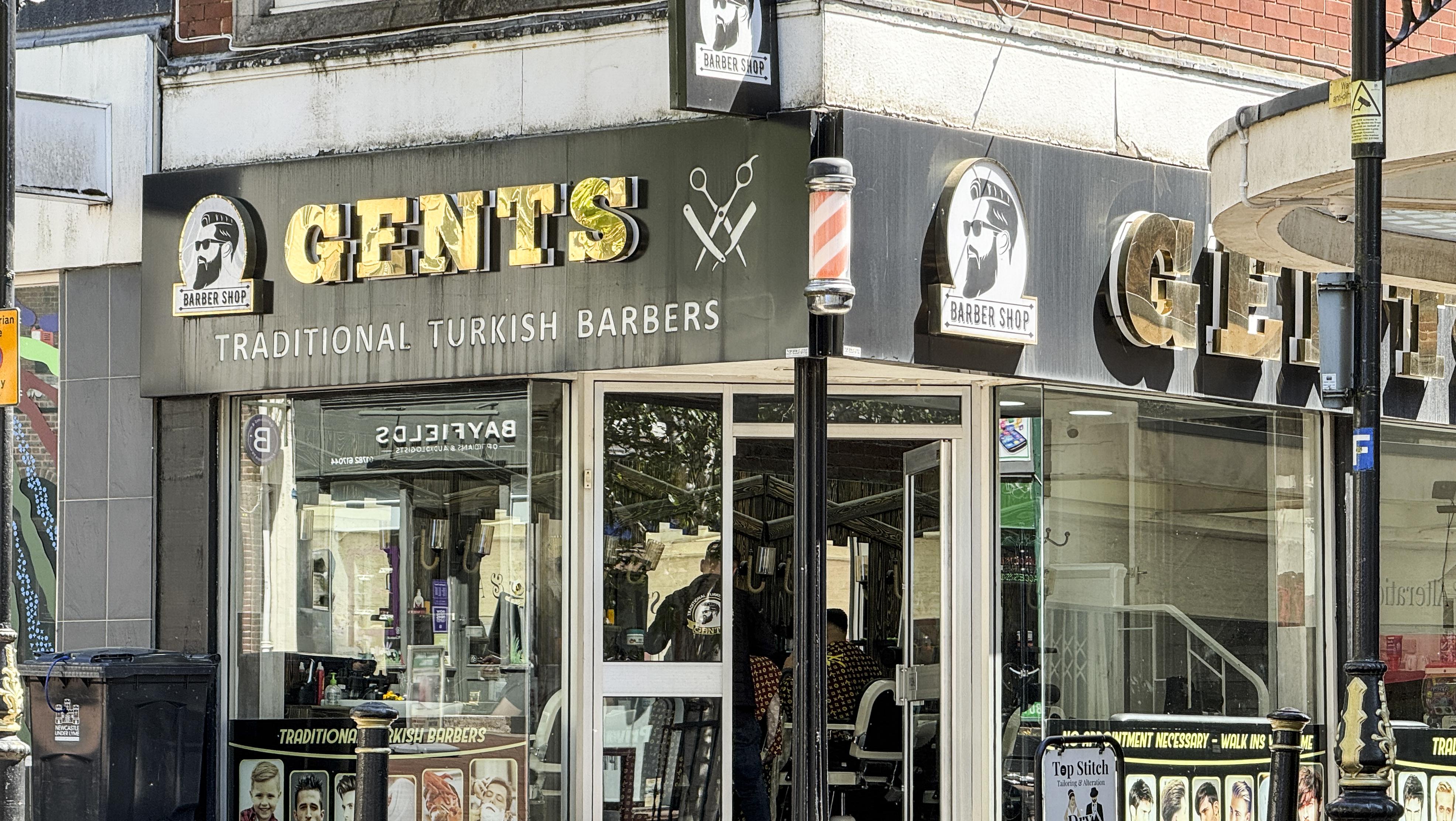
Main photo, top, of GENTS Turkish barbershop in Newcastle-under-Lyme, 09 March 2025. Photo © Ray Orton / iStock