
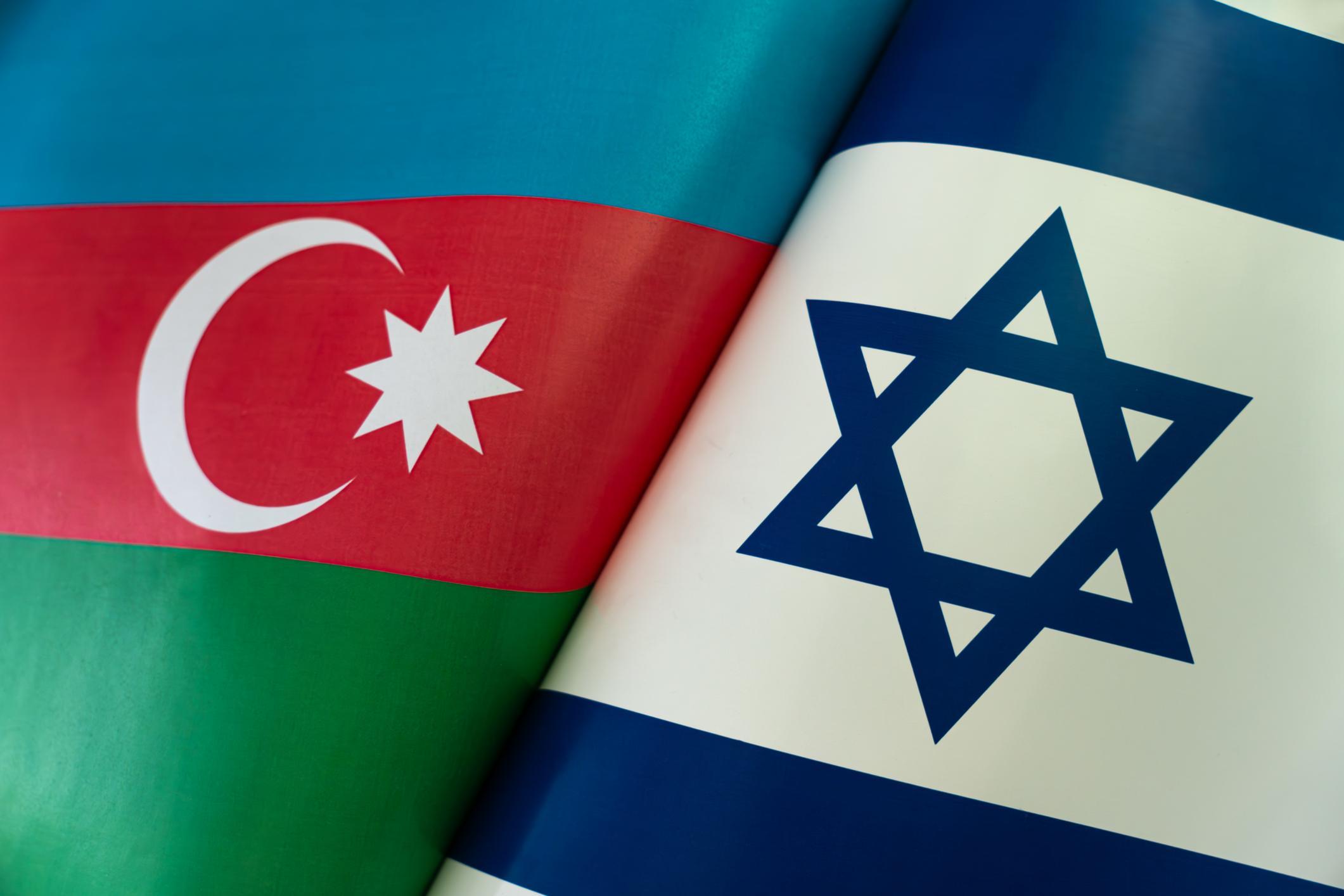
Azerbaijan has claimed that diplomatic pressure from Baku persuaded Israel to halt the parliamentary process needed to fully recognise the mass deaths and deportations of Ottoman Armenians during the First World War as genocide.
The Israeli cabinet unanimously approved a proposal by Foreign Minister Gideon Sa’ar on 28 June formally recognising the events as genocide. The measure was subsequently expected to be presented to Israel’s parliament, the Knesset, for ratification, but it was removed from the parliamentary agenda before a vote could take place.
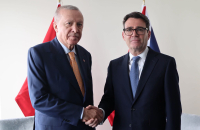
Hikmet Hajiyev (pictured right), foreign policy adviser to Azerbaijani President Ilham Aliyev, said Baku had launched an intensive diplomatic campaign immediately after learning of the Israeli initiative.
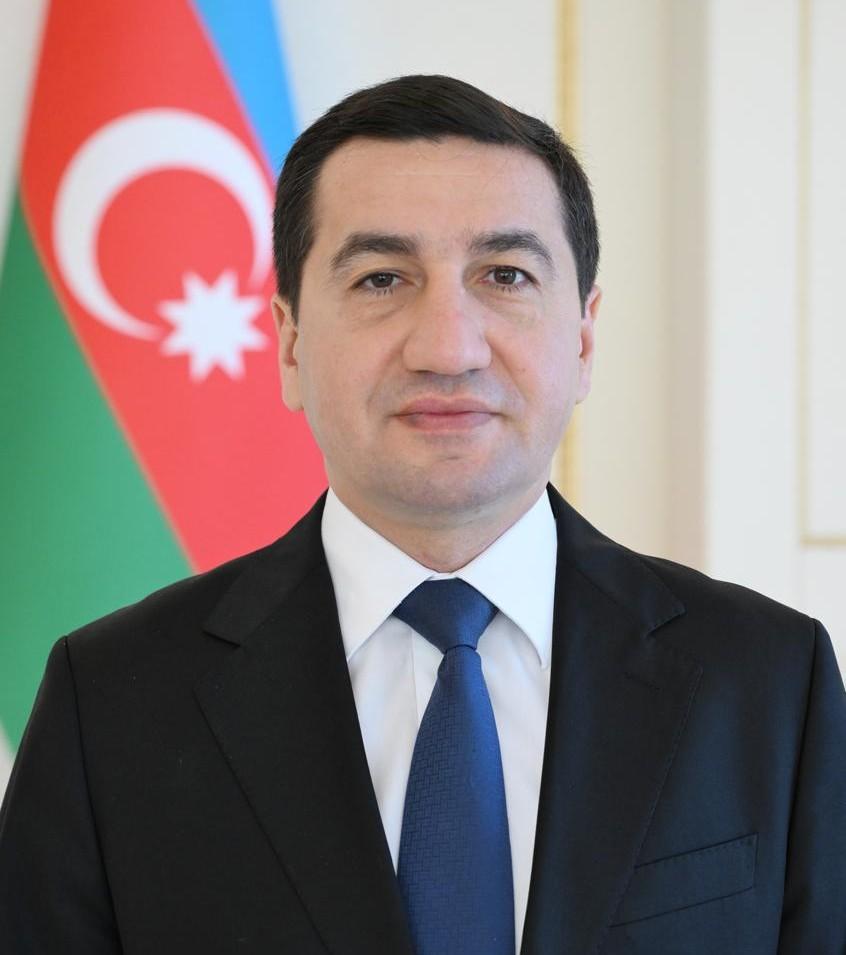
“As soon as this issue emerged, Azerbaijan launched intensive diplomatic efforts on the instructions of Mr President,” Hajiyev told Turkish broadcaster Haber Global.
“We conveyed to the Israeli side that adopting such a decision would be unfair, would not reflect historical reality, and that we did not consider its adoption appropriate.”
Hajiyev said Israel had taken Azerbaijan’s concerns seriously, adding: “We believe that further progress on this issue was prevented.”
The senior Azerbaijani official said protecting the interests of Türkiye remained a “red line” for Baku, reflecting the exceptionally close relationship between the two Turkic states.
“Wherever Türkiye is not present, Azerbaijan is present, and wherever Azerbaijan is not present, Türkiye is present,” he said. “We respond decisively to every step taken against the interests of our countries, and we will continue to do so.”
Israeli newspaper Haaretz previously reported that Prime Minister Benjamin Netanyahu had intervened to remove the planned recognition vote from the Knesset agenda after Hajiyev contacted his office on Aliyev’s behalf. Israeli officials reportedly assured Azerbaijan that the proposal would not be brought before parliament ahead of its summer recess.
However, Sa’ar’s office disputed suggestions that Netanyahu had overturned or cancelled the Israeli government’s position.
“The Armenian people’s genocide was recognised unanimously in a decision by the Israeli government,” the Foreign Minister’s office said. “This decision stands and will not change.” Israel has not otherwise formally responded to Hajiyev’s assertion that Azerbaijani pressure prevented the Knesset vote.
The episode therefore leaves Israel with a cabinet decision recognising the events as genocide, but without the separate Knesset approval that would give the move full parliamentary endorsement.
When presenting his original proposal, Sa’ar described recognition as a “moral and historical duty”, saying it was “never too late to do the right thing”. He accused the Turkish government of conducting an institutionalised campaign of denial and minimisation despite what he called extensive historical documentation.
Azerbaijan strongly condemned the cabinet decision at the time, describing it as a “distortion of historical facts” and calling on Israel to reconsider. Baku argued that reducing a complex historical issue to a political decision without what it regarded as a sound legal or scholarly basis would deepen divisions rather than promote reconciliation.
Türkiye similarly rejected the Israeli move as politically motivated, accusing Netanyahu’s government of attempting to distract international attention from Israel’s actions in Gaza and the genocide case against Israel at the International Court of Justice. Israel rejects allegations that its military campaign in Gaza amounts to genocide.
Armenia’s Prime Minister Nikol Pashinyan offered a notably restrained response. He said Yerevan saw no need to comment, arguing that avoiding the “weaponisation” of the Armenian genocide was in Armenia’s national interests.
Armenia and many historians maintain that up to 1.5 million Armenians were killed through systematic massacres, deportations and death marches organised by the Ottoman authorities from 1915 onwards, describing the events as genocide.
Türkiye accepts that large numbers of Armenians died during the turmoil of the First World War but rejects the genocide designation, disputing both the estimated death toll and claims that there was an organised state policy to exterminate the Armenian population.
The dispute is particularly sensitive for Azerbaijan, which has fought several wars with neighbouring Armenia but has also developed close energy, defence and diplomatic ties with Israel. Israel imports significant quantities of Azerbaijani oil and has been an important supplier of military equipment to Baku.