
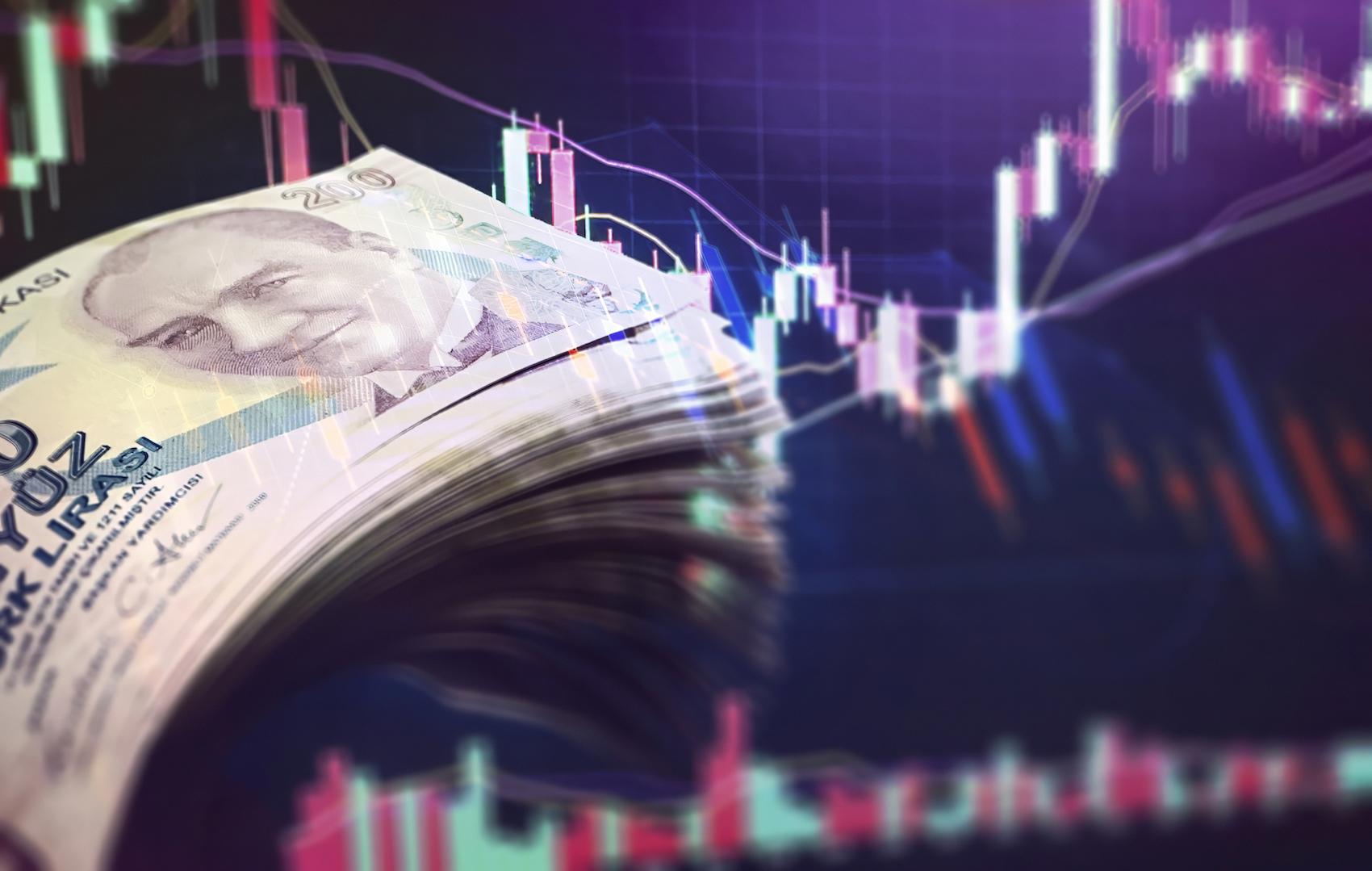
An investment fund scandal in Türkiye has left nearly half a million people facing uncertainty over their savings, prompted the resignation of a senior ruling-party politician and raised questions about whether regulators failed to act on warning signs.
Türkiye’s Capital Markets Board (SPK) ordered the liquidation of 131 funds managed by seven companies on 17 September. Its official count identifies 455,758 individual investors affected.
Reports have put the funds’ assets at approximately $17–20 billion, although these valuations do not represent the eventual losses, which remain unknown.
How the funds unravelled
With annual inflation around 30%, many Turkish savers turned to investment funds hoping to protect their money’s purchasing power. Some were drawn by spectacular reported returns.
The alleged operations involved funds buying large quantities of shares with relatively few available for trading, making their prices easier to push upwards. Higher share prices inflated the funds’ reported values, attracting even more investors. Some managers also borrowed against these increasingly expensive shares to finance further purchases.
The problem emerged when investors wanted their money back. Selling the underlying shares in large quantities sent prices down, undermining the valuations and collateral on which the arrangements depended. The turmoil also reached money market funds that had lent against inflated shares.
Many have described the funds scandal as a ‘Ponzi’ scheme. However, the allegations concern a more complicated combination of financial deception.
A conventional Ponzi scheme uses new investors’ money to pay earlier investors. The Turkish funds scandal also involves inflated share prices, borrowing and fresh investment to sustain apparent gains, prompting the authorities to investigate suspected market manipulation and fraud.
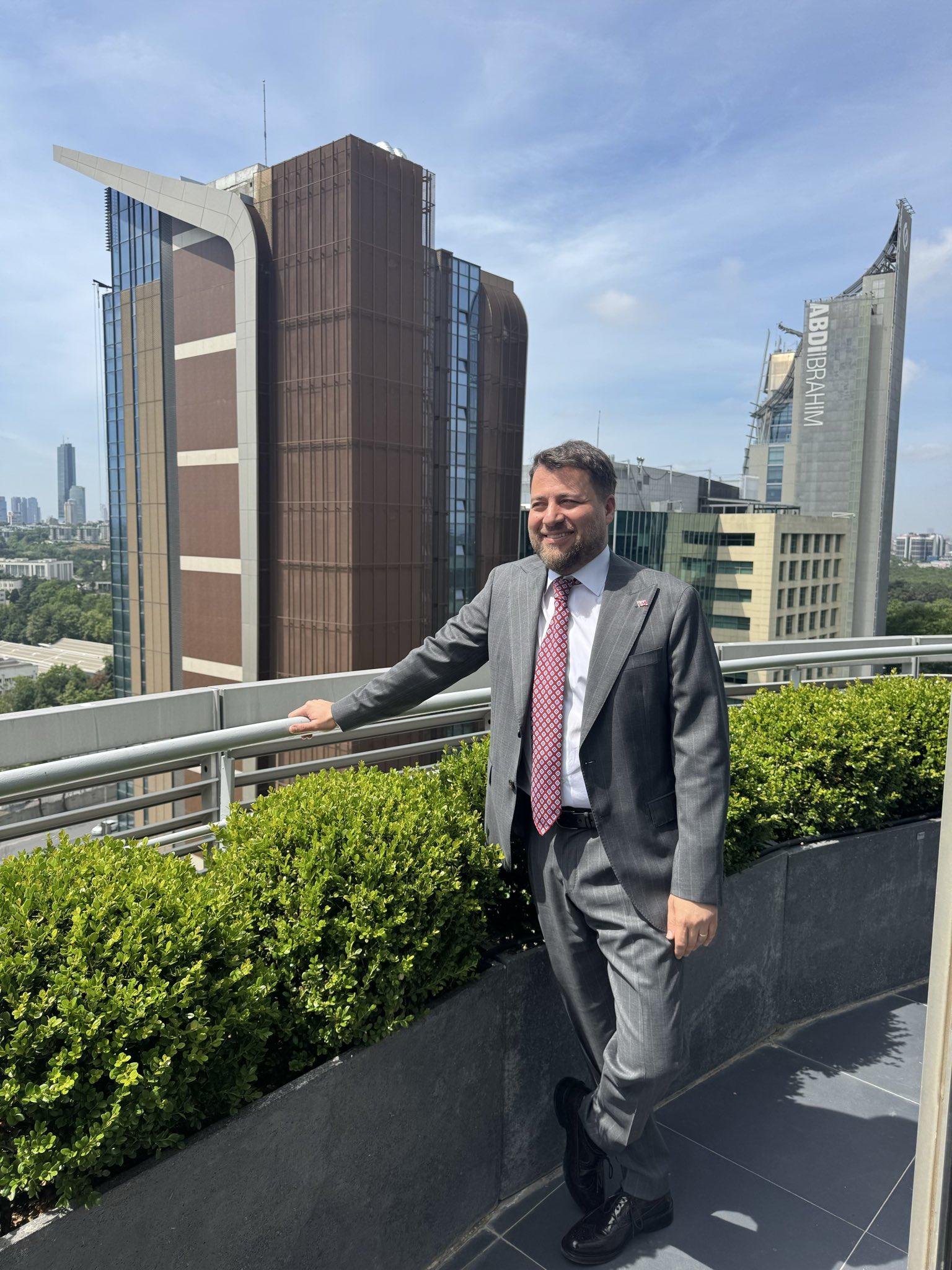
Tera Yatırım Holding chairman Emre Tezmen in Istanbul, June 2026. Photo © X / Emre Tezmen
The immediate crisis became public on 16 September, when Tera Portföy disclosed missed withdrawal payments from two funds. Pusula Portföy also reported delays, triggering intervention and a wider market sell-off.
The warning signs, however, were older. In November 2025, Finance Minister Mehmet Şimşek publicly acknowledged manipulation through certain funds and promised to close regulatory gaps, without naming the companies involved.
Executives, politicians and regulators under scrutiny
Those remanded in custody include Tera Yatırım Holding chairman Emre Tezmen (pictured above), Pusula Holding chairman Serdar Turhan and other senior executives.
By 3 October, the number held pending trial had reached 85, according to the Anadolu Agency. Prosecutors have also sought financial records, including overseas money and cryptocurrency transfers.
Former central bank deputy governor Erkan Kilimci, who subsequently worked at Tera, is also among those remanded in jail.
The most prominent political casualty is Fatma Betül Sayan Kaya (pictured below), a former family minister and deputy chair of President Recep Tayyip Erdoğan’s Justice and Development Party (AK Party).
Opposition politician Zeynel Emre alleged that Kaya bought shares, mostly in shipbuilder Özata Denizcilik, for TL63.4 million in April and sold them for about TL1.3 billion shortly before the September crash. She resigned from her party posts, saying the allegations needed clarification and her position should not obstruct that process. She has not directly answered the trading allegations.
Middle East Eye has reported further connections between Tera’s boards and current or former presidential advisers. Tera’s chair Emre Tezmen also served on the board of Türkiye’s Central Securities Depository, part of the country’s financial market infrastructure. Tera and other firms all deny any wrongdoing.
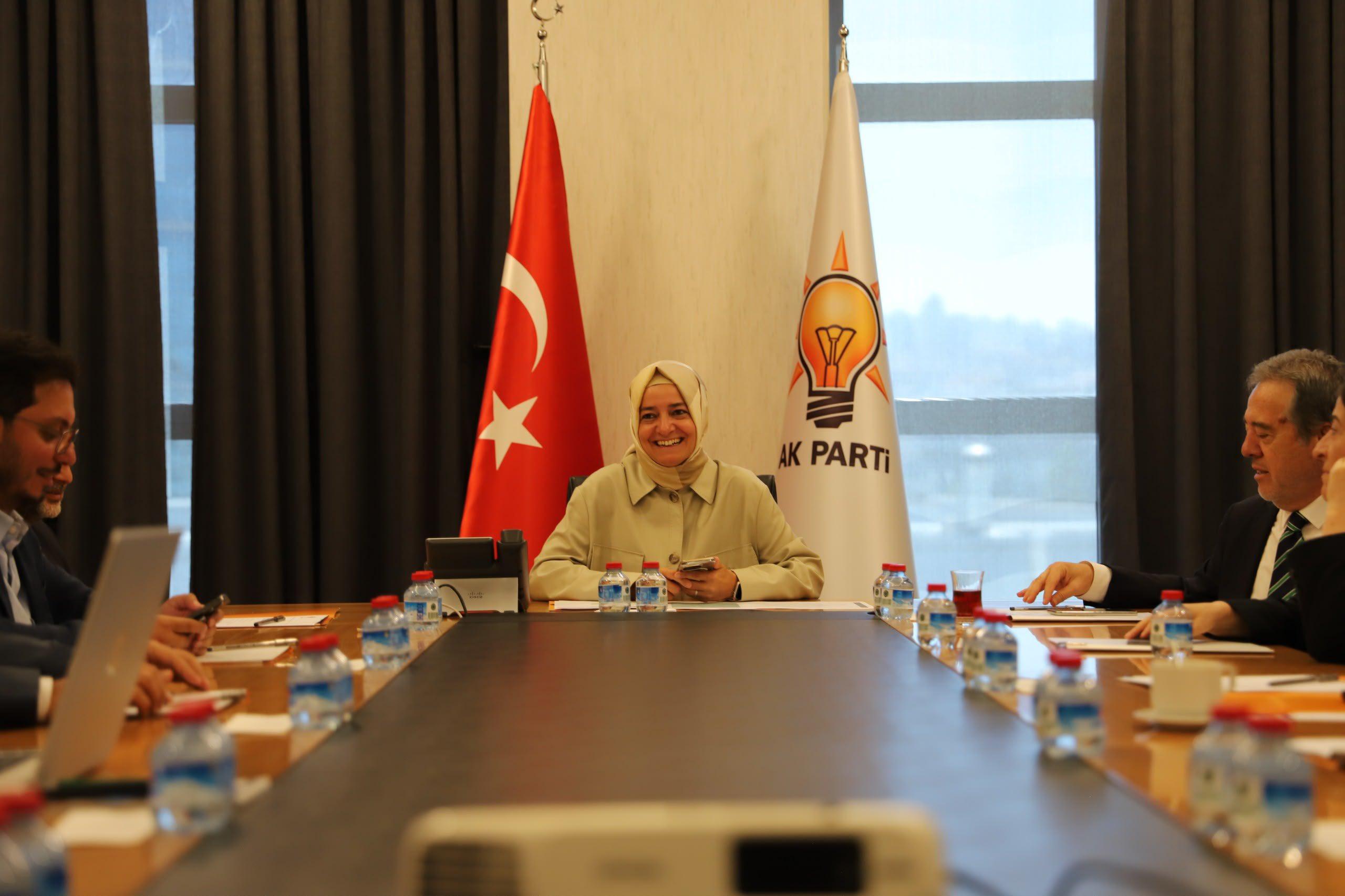
Dr. Fatma Betül Sayan Kaya at AK Party Headquarters, Sept. 2026. Photo X / Dr Betül Sayan Kaya
Claims have also surfaced that Tezmen invoked a close relationship and business ties with Şimşek. The Finance Ministry has firmly rejected those claims, stating that the minister had no business relationship, partnership or commercial connection with Tera’s owners or executives, either before or during public office.
Scrutiny now extends to the regulator itself. Reports on 4 October revealed that prosecutors had sought permission to investigate former SPK chairman İbrahim Ömer Gönül over alleged abuse of office and failures to fulfil oversight duties. Gönül has defended the regulator’s supervision, arguing that sharp price rises cannot automatically be treated as manipulation and that investigations require evidence.
Şimşek has instructed the ministry’s Inspection Board to conduct a preliminary review, Anadolu reported.
What is being done for investors?
İşbank and state-owned Ziraat Bank have been assigned to oversee the liquidations, with the period extended from three to six months to allow assets to be sold under more favourable conditions.
On 1 October, the SPK announced interim payments for eligible investors in funds managed by Tera, Pusula, Atlas and Hedef. Payments will be calculated separately for each investor in each fund, using verified net investment amounts, with a ceiling of TL1 million.
Investors below that threshold are to receive their net investment amount; those at or above it can receive up to TL1 million initially. Money market funds will be prioritised. These payments will count towards final liquidation entitlements.
The announcement does not promise to reimburse the inflated investment gains previously shown on fund statements.
Authorities are also pursuing assets considered proceeds of crime, while the Savings Deposit Insurance Fund (TMSF) has opened accounts for voluntary repayment of “excessive gains” made before liquidation.
President Erdoğan has established a coordination board chaired by his Vice President, Cevdet Yılmaz, and tasked the State Supervisory Council with examining fund transactions.
Authorities have also taken steps to increase lira liquidity and ease some capital and margin requirements to support financial stability.
Economic damage and political fallout
Financial adviser Aysel Gündoğdu told Deutsche Welle that recovery could be harder for funds holding shares that are difficult to trade, and identified failures of management and oversight.
Economist Güldem Atabay stressed that ordinary market risk must be distinguished from manipulation and false information. “Liquidation is no substitute for accountability,” Atabay added.
The damage has spread beyond the affected funds. Reuters reported that Türkiye’s main stock index suffered its worst month since 2008 in September. JPMorgan analysts warned that the turmoil posed “meaningful downside risks” to their 3% forecast for Türkiye’s economic growth this year.
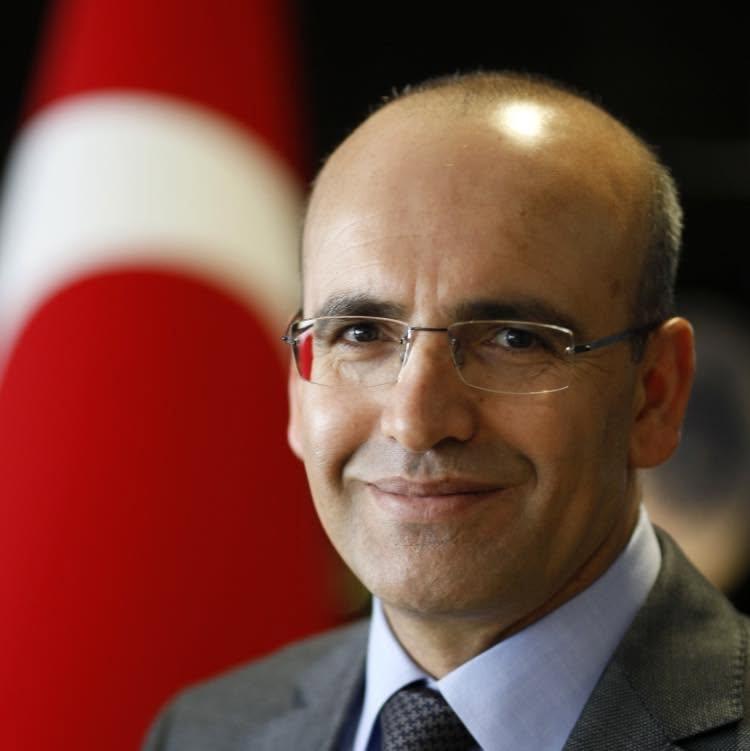
Turkish Finance Minister Mehmet Şimşek. Photo © Facebook / Mehmet Şimşek
Şimşek maintains that the crisis is contained and that measures to prevent it spreading through the financial system have largely succeeded. On 1 October, he said the impact on confidence could be limited and short-lived, while signalling that further fund regulations were likely.
For Erdoğan, the danger is also political. Atilla Yeşilada of GlobalSource Partners told the Financial Times there was a growing perception that the president or close aides knew about manipulative practices. That is an assessment of public perceptions, rather than proof of their involvement.
Middle East Eye reported differing views about the electoral consequences: some analysts believe the government can contain the damage by holding connected figures accountable, while others anticipate a greater political cost, particularly if affected ruling-party supporters feel betrayed.
The response has also included restrictions on public discussion. Digital rights monitor EngelliWeb said at least 147 additional X accounts discussing the crisis were blocked on 30 September, following an earlier wave affecting around 150 accounts.
For now, attention turns to how the recovery process is managed. Investors will want to know how much of their money they will recover, and how quickly. For the government, limiting the scandal’s economic and political fallout will depend on restoring market confidence and ensuring those responsible are held accountable.